Games

A History of Video Games – From Arcades to Consoles

As you explore the world of gaming, you’ll discover a rich history that spans decades. You’ll learn about the evolution of video games, from their humble beginnings in arcades to the sophisticated consoles you use today. Your journey will take you through the iconic games and characters that shaped the industry, and you’ll gain a deeper understanding of how video games have become an integral part of your entertainment landscape.

Key Takeaways:

  • The evolution of video games has been shaped by advancements in technology, leading to a transition from arcade machines to home consoles and eventually to online gaming platforms, offering a wider range of gaming experiences.
  • The introduction of iconic consoles such as the Nintendo Entertainment System (NES) and the Sony PlayStation played a significant role in popularizing home gaming, bringing beloved characters and games into living rooms worldwide.
  • The history of video games is marked by innovation and experimentation, with various genres and gameplay styles emerging over the years, from classic arcade shooters to immersive role-playing games and multiplayer online experiences.

The Dawn of Arcade Gaming

For your journey through the history of video games, it’s vital to understand the significance of arcade gaming, which marked the beginning of the industry’s growth.

Pong and the First Wave

Amidst the emergence of new technologies, you’ll find that Atari’s Pong, released in 1972, was one of the first successful arcade games, paving the way for your exploration of the early days of gaming.

The Golden Age of Arcades

Before diving deeper into the world of console gaming, you should know that the late 1970s to the mid-1980s are often referred to as the Golden Age of Arcades, a period that saw the release of iconic games like Space Invaders and Pac-Man.

Hence, as you explore this era, you’ll discover that the Golden Age of Arcades was a time of great innovation, with games becoming increasingly sophisticated, and arcades becoming popular hangouts for people of all ages, shaping your understanding of the industry’s evolution.

Home Console Revolution

Clearly, the introduction of home consoles marked a significant shift in the gaming industry, allowing you to experience your favorite arcade games from the comfort of your own home.

Atari and Early Competitors

At this point, Atari was a leading player, and you had a range of options to choose from, including the Atari 2600 and Intellivision, which offered you a variety of games to enjoy.

The Great Gaming Crash of 1983

Among the factors that contributed to the crash, you’ll find a flooded market and poor game quality, which led to a significant decline in sales and a loss of confidence in the industry.

The Great Gaming Crash of 1983 had a lasting impact on the industry, and as you explore this period, you’ll see how it led to a major restructuring of the market, with many companies going bankrupt or being sold, and you can learn from the mistakes of the past to understand how the industry recovered and evolved into what it is today.
Nintendo’s Game-Changing Era

Keep in mind that Nintendo’s impact on the gaming industry was significant, as you can learn more about in From Arcade to Console: The Evolution of Video Game Technology, which shaped your gaming experience.

The NES Renaissance

Before submerging into the details, you’ll find that the NES brought a resurgence in home console gaming, offering you a wide range of iconic games that still influence your gaming experience today.

Game Boy and Portable Gaming

Game-changing moments in gaming history include the introduction of the Game Boy, which allowed you to play games on-the-go, revolutionizing your gaming habits.

For instance, the Game Boy’s impact on portable gaming was massive, enabling you to play games like Tetris and Pokémon anywhere, anytime, and this freedom has since become a staple of your gaming experience, with modern handheld consoles continuing to innovate and improve upon this concept, giving you even more options to enjoy your favorite games.

The 16-bit Wars

Now, as you examine into the world of 16-bit gaming, you’ll find a plethora of information in books like A History of Videogames: In 14 Consoles, 5 Computers, 2 Arcades, which provides a comprehensive overview of the era. This period was marked by intense competition between console manufacturers.

Super Nintendo vs. Sega Genesis

On the forefront of this battle were the Super Nintendo and Sega Genesis, each vying for your attention with their unique games and features. You had to choose between iconic characters and gameplay styles that defined the era.

Rise of Gaming Mascots

Around this time, you started to see the emergence of gaming mascots, such as Sonic the Hedgehog and Mario, who became synonymous with their respective consoles. These characters helped to shape your gaming experience and influenced the industry as a whole.

Also, as you explore the rise of gaming mascots, you’ll notice how they not only represented their games but also became cultural icons, appearing in various forms of media beyond video games. You can see how these mascots played a significant role in shaping the identity of their respective consoles and the gaming industry, making them an integral part of your gaming history.

3D Gaming Evolution

Your journey through the history of video games now takes you to the era of 3D gaming, where you’ll experience a significant shift in gameplay and graphics.

PlayStation’s Market Disruption

Between the introduction of 3D graphics and the rise of console wars, you’ll notice how PlayStation disrupted the market with its CD-ROM technology and 3D capabilities.

Nintendo 64 and 3D Innovation

PlayStations may have popularized 3D gaming, but you’ll see how Nintendo 64 innovated with its 3D controller and iconic games like Super Mario 64, setting a new standard for 3D platformers.

Further exploration of Nintendo 64’s 3D innovation reveals that you can appreciate the console’s impact on the industry, as it introduced analog stick controls and Z-buffering, enhancing your 3D gaming experience with smoother graphics and more precise character movement.

Modern Gaming Landscape

Unlike the early days of gaming, you now have access to a vast array of gaming options. You can learn more about the evolution of gaming by visiting the history of arcade video games to understand how the industry has transformed over time.

Console Wars in the Digital Age

The rise of digital gaming has led to intense competition among console manufacturers, and you can see this play out in the market as companies vie for your attention with exclusive titles and innovative hardware.

Mobile Gaming Integration

An interesting development in modern gaming is the integration of mobile devices, allowing you to play games on-the-go and access a wide range of titles from your smartphone or tablet.

But as you investigate deeper into mobile gaming, you’ll find that it offers more than just convenience, with many games designed specifically to take advantage of mobile devices’ unique capabilities, such as touch screens and location-based services, providing you with a unique gaming experience that complements your console or PC gaming habits.

Conclusion

On the whole, you have seen the evolution of video games from arcades to consoles. You now understand how your gaming experience has been shaped by technological advancements. Your journey through the history of video games has equipped you with knowledge of the industry’s transformation over time, allowing you to appreciate the complexity of your favorite games.

FAQ

Q: What were the first video games and when did they originate?

A: The first video games emerged in the 1950s and 1960s, with the development of simple computer games such as “Tennis for Two” and “Spacewar!”. These early games were played on mainframe computers and were primarily used for research and entertainment purposes. The first commercial video game, “Computer Space”, was released in 1971, but it was not until the release of “Pong” in 1972 that video games began to gain popularity.

Q: How did arcades contribute to the growth of the video game industry?

A: Arcades played a significant role in the growth of the video game industry in the 1970s and 1980s. They provided a public space where people could play and experience new games, and they helped to popularize iconic games such as “Pac-Man”, “Donkey Kong”, and “Galaga”. Arcades also served as a testing ground for new games and technologies, allowing developers to refine their products and gauge consumer interest.

Q: What were some of the key factors that led to the transition from arcades to home consoles?

A: Several factors contributed to the shift from arcades to home consoles, including advancements in technology, changes in consumer behavior, and the introduction of new business models. The development of more powerful and affordable home consoles, such as the Atari 2600 and the Nintendo Entertainment System (NES), made it possible for people to play high-quality games in the comfort of their own homes. Additionally, the rise of home computers and the introduction of cartridge-based systems made it easier for consumers to purchase and play games at home.

Q: How did the introduction of 3D graphics and CD-ROM technology impact the video game industry?

A: The introduction of 3D graphics and CD-ROM technology in the 1990s revolutionized the video game industry. Games such as “Super Mario 64” and “The Legend of Zelda: Ocarina of Time” showcased the potential of 3D gaming, while the use of CD-ROM technology enabled developers to create games with richer soundtracks, fuller stories, and more complex gameplay mechanics. This led to the creation of more immersive and engaging gaming experiences, and helped to establish the video game industry as a major player in the entertainment sector.

Q: What is the current state of the video game industry, and how has it evolved over time?

A: The video game industry has undergone significant changes over the years, with the rise of online gaming, mobile devices, and virtual reality (VR) and augmented reality (AR) technologies. Today, the industry is characterized by a diverse range of platforms, including PCs, consoles, and mobile devices, and a wide variety of game genres and styles. The industry has also become more global and interconnected, with developers and players from around the world contributing to the creation and enjoyment of games. As technology continues to advance, the video game industry is likely to continue evolving, with new innovations and trends emerging in the years to come.

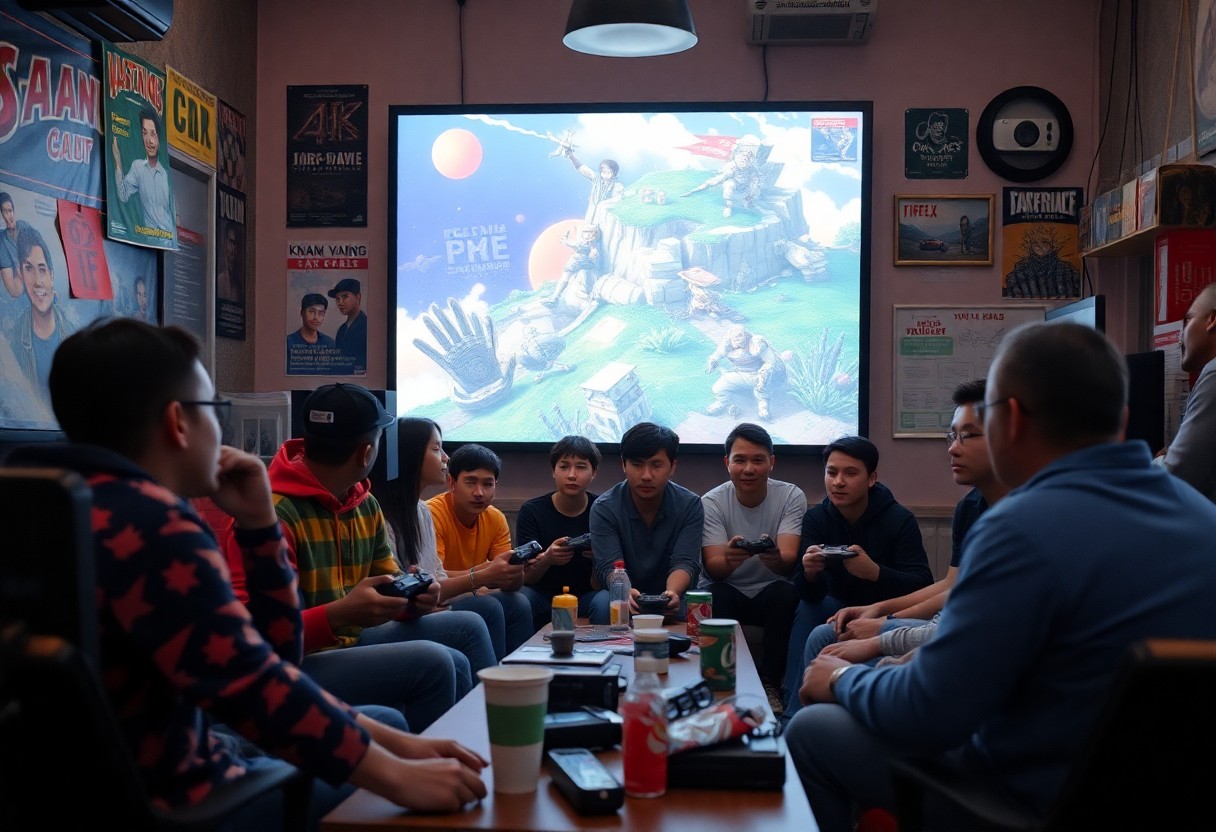
Video Games and Society – Their Cultural Impact Explored

As you engage with the virtual worlds of video games, you may wonder about their influence on your life and the society around you. You are part of a massive gaming community, and your experiences are shaped by the games you play. This blog post will explore into the cultural impact of video games, exploring how they reflect and shape your values, behaviors, and interactions, offering insights into the significant role they play in your life and the world at large.

Key Takeaways:

  • Video games have become an integral part of modern society, with a significant impact on culture, influencing the way people interact, think, and behave, and shaping individual and collective identities.
  • The cultural impact of video games is multifaceted, ranging from their ability to bring people together through multiplayer experiences, to their potential to shape attitudes and perceptions on various social issues, such as violence, diversity, and inclusivity.
  • As the video game industry continues to evolve, its cultural significance will likely grow, with games becoming an increasingly important platform for storytelling, artistic expression, and social commentary, offering new opportunities for creators to engage with audiences and inspire meaningful conversations.

Evolution of Gaming Culture

While exploring the world of video games, you’ll notice that the culture surrounding them has undergone significant changes over the years, shaping the industry into what it is today, and influencing your perception of gaming as a whole.

From Arcade to Living Room

At the dawn of the gaming era, you found yourself playing classic arcade games in public venues, but as technology advanced, consoles brought gaming into your living room, revolutionizing the way you experienced entertainment.

Digital Communities Formation

Behind the screens, you are part of a larger community that has formed around shared interests and passions for gaming, connecting with others who share your enthusiasm and dedication to the hobby.

Due to the rise of online gaming platforms and social media, you can now engage with fellow gamers worldwide, participating in discussions, sharing tips, and collaborating on gameplay, which has further enriched your gaming experience and broadened your social circle.

Social Impact and Behavioral Changes

The impact of video games on your behavior and social interactions is a topic of ongoing debate. As you engage with different types of games, you may notice changes in your social skills, emotional responses, and even your worldview.

Gaming Demographics Shift

These days, the gaming demographic is expanding, and you are likely to find people of all ages and backgrounds playing video games, which can lead to a more diverse and inclusive gaming community.

Communication Patterns in Gaming

Along with the rise of online gaming, you will notice new communication patterns emerging, such as teamwork, strategy, and social interaction, which can influence your relationships and communication style.

Further, as you explore deeper into the world of online gaming, you will discover that communication patterns in gaming can be complex and multifaceted, involving verbal and non-verbal cues, emotional intelligence, and conflict resolution, all of which can have a significant impact on your social skills and relationships outside of the gaming world.

Gaming as Modern Storytelling

For many, video games have become a primary source of entertainment, offering immersive experiences that rival traditional forms of storytelling. You can explore vast virtual worlds, engage with complex characters, and uncover rich narratives that challenge your perceptions and emotions.

Narrative Development

Across various genres, you’ll find that games often feature sophisticated storytelling, with character development and plot twists that keep you invested in the story. You can influence the narrative through your choices, making the experience feel more personal and interactive.

Cultural Expression Through Games

Beside their entertainment value, games can also serve as a means of cultural expression, allowing you to experience different perspectives and worlds. You can explore historical events, social issues, and cultural practices in a unique and engaging way, broadening your understanding of the world.

Another aspect of cultural expression in games is the ability to create and share your own content, such as custom characters, levels, or stories. You can express your creativity and showcase your personality, connecting with others who share similar interests and passions, and contributing to a vibrant and diverse gaming community.

Economic and Industry Influence

After considering the cultural impact of video games, you can see their significant influence on the economy and industry as a whole. You will notice that the video game industry has become a major player in the global market, generating billions of dollars in revenue each year.

Market Growth and Innovation

To understand the economic influence of video games, you need to look at the market growth and innovation in the industry. You will find that the industry is constantly evolving, with new technologies and business models emerging, which in turn drives growth and innovation.

Career Opportunities in Gaming

Economically, the video game industry offers you a wide range of career opportunities, from game development to marketing and sales. You can pursue a career in game design, programming, or art, and with the industry’s constant growth, you can expect new job opportunities to emerge.

For instance, you can consider careers in esports, game development, or virtual reality, which are becoming increasingly popular and in-demand. You will have the opportunity to work with top gaming companies, develop your skills, and be part of a thriving industry that is shaping the entertainment and technology landscape.

Educational and Cognitive Effects

Many video games offer a range of benefits, from improving cognitive skills to enhancing your understanding of complex concepts. You can learn more about The Intersection of Video Games and Culture and its impact on society. As you explore the world of gaming, you’ll discover new ways to engage with educational content.

Learning Through Gaming

Before venturing into the world of educational games, you’ll find that many titles offer a unique approach to learning. You can engage with interactive lessons, simulations, and puzzles that make complex concepts more accessible and fun.

Problem-Solving Development

An imperative aspect of gaming is the development of problem-solving skills. You’ll encounter challenges that require critical thinking, analysis, and creativity to overcome, helping you improve your ability to approach complex problems in a logical and methodical way.

Effects of problem-solving development in video games can be seen in your everyday life, as you apply the skills you’ve learned to real-world challenges. You’ll become more confident in your ability to analyze situations, identify solutions, and make informed decisions, ultimately enhancing your overall cognitive abilities.

Gaming in Contemporary Art

Once again, you find yourself at the intersection of technology and creativity, where video games are influencing contemporary art. You notice the impact of gaming on various forms of artistic expression, from visual arts to interactive exhibitions.

Visual Arts Integration

Integrating elements of gaming into visual arts, you see a new wave of artists emerging, who use pixels and digital landscapes as their medium. You can observe how your perception of art is changing, as the boundaries between gaming and art blur.

Interactive Exhibitions

With the rise of interactive exhibitions, you are no longer just a passive observer, but an active participant in the artistic experience. You can engage with the art, influencing its outcome and creating a unique experience each time.

Even as you examine deeper into interactive exhibitions, you notice how they are redefining the way you interact with art, making it more immersive and dynamic. You can explore virtual worlds, solve puzzles, and collaborate with others, creating a truly engaging experience that challenges your perceptions and pushes the boundaries of what you consider “art”.

Conclusion

With this in mind, you can see that video games have a significant impact on your life and society. As you explore the world of gaming, you’ll find that it influences your cultural values and interactions. To learn more about the effects of video games, you can visit How Video Games Have Changed The World to understand the broader implications on your community and beyond.

FAQ

Q: What is the impact of video games on modern society and culture?

A: Video games have a significant impact on modern society and culture, influencing the way people interact, communicate, and express themselves. They provide a platform for socialization, creativity, and self-expression, and can also shape cultural values and norms. The cultural impact of video games can be seen in the way they reflect and shape societal attitudes towards issues such as violence, gender, and diversity.

Q: How do video games affect the social skills of players, particularly children and adolescents?

A: Video games can have both positive and negative effects on the social skills of players, depending on the type of game and the level of engagement. Multiplayer games can enhance social skills such as communication, teamwork, and problem-solving, while excessive gaming can lead to social isolation and decreased face-to-face interaction. Parents and caregivers should monitor gaming habits and ensure a balance between gaming and other social activities.

Q: Can video games be a force for positive social change, and if so, how?

A: Yes, video games can be a force for positive social change by raising awareness about social issues, promoting empathy and understanding, and providing a platform for social commentary. Games such as “This War of Mine” and “Life is Strange” tackle complex issues like war, mental health, and identity, encouraging players to think critically about the world around them. Additionally, games can be used as a tool for social activism, fundraising, and community building.

Q: How do video games reflect and shape cultural attitudes towards diversity and representation?

A: Video games can reflect and shape cultural attitudes towards diversity and representation by providing a platform for underrepresented groups to see themselves and their experiences reflected in the media. Games such as “The Last of Us” and “Horizon Zero Dawn” feature strong, complex female protagonists, while games like “Life is Strange” and “Gone Home” explore themes of identity, sexuality, and mental health. However, the industry still has a long way to go in terms of representation, and games can also perpetuate negative stereotypes and biases if not designed thoughtfully.

Q: What role do video games play in shaping the media landscape and influencing other forms of entertainment?

A: Video games play a significant role in shaping the media landscape and influencing other forms of entertainment, such as film and television. The gaming industry has given rise to new business models, such as subscription-based services and esports, and has influenced the way we consume and interact with media. Games have also inspired numerous film and television adaptations, and have become a major driver of popular culture, with many games becoming cultural phenomena and inspiring fan art, cosplay, and fan fiction.

Breaking Down Game Genres – A Comprehensive Overview

As you explore into the world of gaming, you’ll encounter a vast array of game genres that cater to your unique tastes and preferences. You may find yourself wondering what sets each genre apart and how they’re classified. Your understanding of game genres will help you navigate the gaming landscape and discover new titles that suit your interests. In this post, you’ll gain insight into the various genres and how they’re defined, allowing you to make informed decisions about the games you play.

Key Takeaways:

  • Game genres are categories used to classify games based on their gameplay, mechanics, and style, helping players and developers understand the type of experience a game offers.
  • The main game genres include action, adventure, role-playing, sports, strategy, and simulation, each with its own sub-genres and hybrid categories.
  • Understanding game genres is important for game development, as it helps developers target specific audiences and create games that meet player expectations.
  • Game genres are not fixed and can evolve over time, with new genres emerging and old ones merging or branching out into new categories.
  • The classification of game genres can be subjective, and different people may categorize the same game differently, highlighting the complexity of game genre classification.
  • Game genres can influence player engagement, as players often seek out games that fit their preferred genre, and can impact the overall gaming experience.
  • The study of game genres provides valuable insights into the gaming industry, player preferences, and the creative process of game development, making it a significant area of research and analysis.

Action Games

Your introduction to action games will likely involve fast-paced gameplay and quick reflexes, as you navigate through various challenges and obstacles to achieve your goals.

First-Person Shooters

Across the spectrum of action games, you’ll find first-person shooters, which put you in the midst of intense combat, requiring you to make split-second decisions to survive and succeed.

Third-Person Action

Acting as the central character, you’ll control your avatar from an outside perspective, often with a greater emphasis on character movement and interaction with the environment, allowing you to approach challenges from multiple angles.

Consequently, as you explore deeper into third-person action games, you’ll discover a wide range of gameplay mechanics, from stealth and strategy to hack-and-slash combat, each offering a unique experience tailored to your preferences and playstyle.

Role-Playing Games

While exploring the world of gaming, you’ll encounter Role-Playing Games (RPGs) that offer immersive experiences. You can engage in character development, storytelling, and strategic gameplay, making RPGs a popular choice for many gamers.

Western RPGs

Across the globe, you’ll find Western RPGs characterized by open-world exploration, complex storytelling, and player choice. You can expect games with deep character customization and branching storylines, allowing you to shape your gaming experience.

Japanese RPGs

Games like Final Fantasy and Dragon Quest have defined the Japanese RPG (JRPG) genre. You’ll typically find turn-based combat, rich storytelling, and memorable characters in these games, which often feature vibrant, anime-inspired visuals and deep character development.

Also, as you probe deeper into JRPGs, you’ll notice that many of these games feature social commentary, philosophical themes, and emotional storytelling, making them a great choice for gamers looking for a more thoughtful experience. You can expect to encounter iconic characters, engaging storylines, and addictive gameplay in JRPGs, which have become a staple of the gaming industry.

Strategy Games

To research into the world of strategy games, you’ll find that they challenge your problem-solving skills and require careful planning. You’ll need to manage resources, make tactical decisions, and adapt to changing situations to succeed.

Real-Time Strategy

Following the basics of strategy games, you’ll discover that real-time strategy games demand quick thinking and fast decision-making. You’ll need to balance resource gathering, unit production, and combat tactics in a fast-paced environment.

Turn-Based Strategy

Beneath the surface of turn-based strategy games, you’ll find a more methodical approach. You’ll take individual turns making moves, allowing for more thoughtful decision-making and planning, as you consider your opponent’s potential actions.

Indeed, as you explore turn-based strategy games further, you’ll appreciate the depth of complexity and the need for forward thinking. You’ll need to consider multiple scenarios, prioritize actions, and adjust your strategy based on your opponent’s moves, making each game a unique and engaging experience.

Simulation Games

Not all games are about action and adventure, as simulation games offer you a unique experience. You can explore different scenarios, manage resources, and make decisions that impact the game world.

Life Simulators

Likewise, life simulators allow you to experience daily life, relationships, and careers in a virtual setting. You can create your own characters, build homes, and interact with others in a simulated environment.

Vehicle Simulators

By immersing yourself in vehicle simulators, you can operate various vehicles, such as cars, planes, or trains, in realistic settings. You can learn about the mechanics, handling, and physics of different vehicles.

Considering your interests, vehicle simulators can be highly engaging, as you can explore different modes, such as racing, transportation, or combat. You can also customize your vehicles, adjust settings, and experiment with various scenarios to test your skills and knowledge.

Adventure Games

All adventure games offer you a unique experience, often featuring exploration, puzzle-solving, and interactive storytelling. You can engage with immersive worlds, making choices that impact the narrative and its outcome.

Point-and-Click

Behind the scenes of point-and-click games, you’ll find a focus on problem-solving, using items and clues to progress through the story. You’ll interact with environments, talking to characters and manipulating objects to uncover hidden secrets.

Interactive Narratives

Around the concept of interactive narratives, you’ll discover a deep focus on storytelling, where your decisions shape the plot and characters. You’ll experience a high level of engagement, as the story adapts to your actions and choices.

To explore deeper into interactive narratives, you’ll find that they often feature branching storylines, multiple endings, and complex characters. You’ll be able to explore different scenarios, making choices that impact the story’s direction, and ultimately, its conclusion, allowing you to experience a unique story each time you play.

Sports and Racing

Once again, you’ll find yourself immersed in a world of competition with sports and racing games, which challenge your skills and reflexes in various disciplines, from football to Formula 1, allowing you to experience the thrill of victory and the agony of defeat in a virtual setting.

Team Sports

Above all, team sports games offer you the opportunity to engage in cooperative play, working together with your teammates to achieve a common goal, whether it’s scoring a touchdown or winning a championship, and you can experience the camaraderie and excitement of team sports from the comfort of your own home.

Racing Simulators

Sporting a high level of realism, racing simulators put you in the driver’s seat, challenging your driving skills and knowledge of the track, and you can choose from a variety of cars and circuits to test your abilities and compete against others.

Considering the level of detail and complexity in racing simulators, you can customize your car’s settings and tune it to perfection, and with the latest technology, you can experience a truly immersive racing experience, with realistic graphics and physics that simulate the real thing, allowing you to feel like a real racing driver.

Conclusion

From above, you have gained a deeper understanding of the various game genres. As you explore your gaming options, you can visit Video Game Genres: Everything You Need To Know to learn more. You now have the knowledge to navigate your preferred genres, enhancing your gaming experience. Your newfound understanding will help you discover new games and appreciate the diversity of the gaming world.

FAQ

Q: What are the main categories of game genres and how do they differ from one another?

A: The main categories of game genres include Action, Adventure, Role-Playing Games (RPG), Strategy, Sports, and Simulation. These genres differ from one another in terms of gameplay mechanics, objectives, and player engagement. For example, Action games typically involve fast-paced combat and quick reflexes, while RPGs focus on character development and storytelling. Understanding these differences is necessary to appreciating the diversity of games available and finding the type that suits your interests.

Q: How do sub-genres emerge and evolve within the gaming industry, and what impact do they have on the overall gaming experience?

A: Sub-genres emerge when developers experiment with new gameplay mechanics, themes, or technologies, resulting in a unique blend of elements from existing genres. For instance, the sub-genre of Action-Adventure games combines the fast-paced action of Action games with the exploration and puzzle-solving of Adventure games. The evolution of sub-genres can lead to innovative gameplay experiences, attracting new players and revitalizing existing genres. As sub-genres gain popularity, they can also influence the development of new games, creating a dynamic and ever-changing gaming landscape.

Q: What role do game genres play in shaping player expectations and influencing the development of new games, and how do they impact the gaming community as a whole?

A: Game genres play a significant role in shaping player expectations, as they provide a framework for understanding the type of gameplay, tone, and overall experience a game will offer. Developers often use genre conventions to guide their design decisions, ensuring that their game meets player expectations and stands out in a crowded market. The gaming community is also influenced by genres, as players often identify with specific genres and seek out games that fit their preferred style of play. This, in turn, can lead to the formation of dedicated communities and forums, where players share tips, strategies, and feedback, driving the evolution of genres and the development of new games.

Narrative-Driven Games – How Stories Capture Our Imagination

As you probe into the world of gaming, you’ll notice that your experience is often defined by the stories being told. You become invested in the characters, their struggles, and the outcomes, which is a testament to the power of narrative-driven games. Your emotional connection to these stories is what sets them apart, and as you explore this genre, you’ll discover how the art of storytelling can elevate your gaming experience, drawing you into immersive worlds and unforgettable journeys.

Key Takeaways:

  • Narrative-driven games have the power to transport players to new worlds, evoke strong emotions, and create a sense of investment in the story and its characters.
  • Effective storytelling in games can be achieved through a combination of engaging characters, well-paced plot development, and player choice and agency.
  • The use of immersive narratives in games can lead to increased player engagement, as players become more invested in the story and its outcome.
  • Games with strong narratives often feature complex, relatable characters with rich backstories, which helps players form emotional connections with them.
  • The interplay between gameplay and narrative is vital, as it can either enhance or detract from the overall gaming experience, depending on how well the two elements are integrated.
  • Narrative-driven games can explore complex themes and issues, such as identity, morality, and social commentary, in a way that is both entertaining and thought-provoking.
  • Ultimately, the success of a narrative-driven game depends on its ability to balance storytelling, gameplay, and player engagement, creating a captivating experience that lingers long after the game is finished.

The Art of Interactive Storytelling

The art of interactive storytelling in narrative-driven games is a complex process that involves crafting a compelling narrative while also providing you with agency and control over the story. As you play, you become an active participant in the story, making choices that impact the narrative and its outcome.

Player Agency and Story Impact

Storytelling in games is deeply connected to the concept of player agency, where you, as the player, have the ability to influence the story through your decisions and actions, ultimately shaping the narrative and its impact on you.

Emotional Investment Through Choice

Around every corner, you are presented with choices that test your emotional investment in the story, forcing you to consider the consequences of your actions and make decisions that align with your values and motivations, drawing you deeper into the narrative.

Emotional connections are forged as you navigate the story, and your choices have a lasting impact on the characters and world around you. As you make decisions, you begin to feel a sense of ownership and responsibility for the story, investing your emotions and becoming more engaged in the narrative, which in turn, enhances your overall gaming experience, allowing you to reflect on your choices and their consequences, long after the game is finished.

World-Building Elements

Clearly, a well-crafted narrative-driven game transports you to new worlds, drawing you in with its richly detailed environments and characters. As you explore these virtual realms, you become immersed in the story, investing in the characters and their struggles.

Environmental Narratives

Beneath the surface of a game’s environment, you’ll find a wealth of narrative depth, as the setting itself tells a story, influencing your experience and shaping your perceptions of the game’s world.

Character Development Dynamics

Between the lines of dialogue and the actions of non-playable characters, you’ll discover the intricacies of character development, as the game’s narrative reveals the motivations and backstories that drive the characters’ decisions.

Even as you guide your character through the game’s world, you’re also uncovering the complexities of their personality, as the story unfolds and your choices impact the narrative, allowing you to form a deeper connection with the character and the world they inhabit, making your experience even more engaging and personal.

Narrative Design Architecture

Despite the complexity of narrative-driven games, their design architecture is what sets them apart. You’ll find that a well-structured narrative can elevate your gaming experience, making it more immersive and engaging.

Branching Storylines

Deliberately, designers craft storylines that branch out in multiple directions, allowing you to make choices that impact the game’s outcome. Your decisions can lead to varying endings, making each playthrough unique.

Consequence Systems

The consequence of your actions is what makes narrative-driven games so compelling. The system is designed to respond to your decisions, creating a sense of agency and investment in the story.

Indeed, as you progress through the game, you’ll notice how your choices have a ripple effect, influencing the world and its characters. You’ll start to see how the consequence system shapes the narrative, making it feel more dynamic and responsive to your actions, and allowing you to reflect on the impact of your decisions on the game’s outcome.

Immersive Storytelling Techniques

Keep in mind that immersive storytelling techniques are what draw you into a game’s world. As you play, you become invested in the narrative, and your emotions are evoked through the story’s progression.

Visual Storytelling Methods

Technically, visual elements such as character designs, environments, and special effects all contribute to the narrative, allowing you to become fully engaged in the game’s world and story.

Audio and Musical Narratives

Storytelling through sound and music is a powerful tool, as it sets the tone and atmosphere, guiding your emotional response to the game’s events and deepening your connection to the narrative.

Further exploration of audio and musical narratives reveals the significant impact they have on your gaming experience. As you play, the soundtrack and sound effects work together to create a rich, immersive atmosphere, influencing your mood and reactions to the game’s story, and ultimately enhancing your overall engagement with the narrative.

Player Psychology and Engagement

To understand what drives your engagement with narrative-driven games, it’s vital to examine the psychological aspects that make these experiences so captivating. You become invested in the story, and your emotional connection with the game deepens, leading to a more immersive experience.

Emotional Connection Points

Players like you form strong bonds with game characters and storylines, which creates an emotional connection that enhances your overall gaming experience. Your ability to relate to the narrative and its characters draws you in, making you more invested in the game’s outcome.

Memory and Experience Formation

Above all, the most impactful moments in narrative-driven games are those that create lasting memories for you. Your experiences within the game world shape your perception of the story and its characters, influencing your emotional response to the game’s events.

This process of memory and experience formation is particularly significant because it allows you to reflect on your journey within the game, recalling key moments and plot twists that resonated with you. As you progress through the game, your experiences and memories of the story become an integral part of your engagement, making the narrative even more compelling and personal to you.

The Evolution of Game Narratives

Unlike other forms of media, video games have undergone significant transformations in their narrative approaches, captivating your imagination with immersive stories and characters that draw you in and refuse to let go.

Traditional vs. Interactive Stories

About the time you started playing games, you may have noticed the difference between traditional and interactive storytelling, with the latter offering you a unique experience that allows you to influence the narrative and shape your own story.

Future Storytelling Trends

Stories are becoming increasingly sophisticated, and as you explore the world of narrative-driven games, you’ll discover new and innovative ways to engage with your favorite characters and storylines, from virtual reality to artificial intelligence-powered narratives.

Storytelling in games is evolving rapidly, and as you look to the future, you can expect even more immersive and interactive experiences that blur the lines between player and protagonist, allowing you to become an integral part of the narrative and shape your own destiny in the virtual world.

Conclusion

Taking this into account, you can see how narrative-driven games draw you into their worlds. As you play, your imagination is captured by the stories and characters, making the experience more engaging. You become invested in the narrative, and your emotions are evoked, creating a lasting impression. Your connection to the game deepens, and the story stays with you long after you finish playing, a testament to the power of narrative-driven games.

FAQ

Q: What makes narrative-driven games so engaging and immersive for players?

A: Narrative-driven games have the power to capture our imagination by transporting us to new and imaginative worlds, evoking emotions, and making us invested in the characters and their stories. The combination of interactive gameplay and a compelling narrative creates a unique experience that draws players in and keeps them engaged. As players progress through the game, they become an integral part of the story, making choices that impact the outcome and shaping the narrative in meaningful ways. This level of agency and emotional investment is a key factor in what makes narrative-driven games so captivating and immersive.

Q: How do game developers use storytelling techniques to create a compelling narrative in their games?

A: Game developers use a range of storytelling techniques to craft a compelling narrative in their games, including character development, pacing, dialogue, and environmental storytelling. They also employ literary devices such as foreshadowing, symbolism, and themes to add depth and complexity to the story. Additionally, many games incorporate player choice and branching narratives, allowing players to shape the story and experience a unique journey. By combining these techniques, developers can create a rich and engaging narrative that resonates with players and leaves a lasting impression.

Q: Can narrative-driven games have a lasting impact on players beyond the gaming experience itself?

A: Yes, narrative-driven games can have a lasting impact on players beyond the gaming experience itself. A well-crafted narrative can evoke strong emotions, challenge players’ perspectives, and inspire new ideas and insights. Players may find themselves reflecting on the game’s themes and messages long after completing the game, and some may even be inspired to create their own stories, art, or music in response. Furthermore, the emotional connections and relationships formed with characters in the game can be a powerful catalyst for empathy, self-reflection, and personal growth, demonstrating the significant potential of narrative-driven games to influence and shape players’ lives in meaningful ways.

The Rise of Sandbox Games – Unleashing Creative Freedom

As you explore the world of gaming, you’ve likely noticed a shift towards sandbox games that offer unparalleled creative freedom. You’re no longer limited to linear storylines, instead, you’re given the power to shape your own experiences. With your imagination as the only boundary, you can build, explore, and interact with virtual worlds in ways that were previously unimaginable. Your gaming experience is about to get a whole lot more personal and exciting, and this blog post will examine into the details of this gaming revolution.

Key Takeaways:

  • The rise of sandbox games has led to a significant shift in the gaming industry, offering players unprecedented creative freedom and immersive experiences.
  • Sandbox games provide players with open-world environments, allowing them to explore, experiment, and express themselves in unique and innovative ways.
  • Games like Minecraft and Terraria have popularized the sandbox genre, inspiring a new generation of gamers and game developers to embrace creative freedom and open-ended gameplay.
  • Sandbox games often feature procedurally generated content, which enables endless possibilities for exploration and discovery, keeping players engaged for hours on end.
  • The creative freedom offered by sandbox games has also led to the development of vibrant online communities, where players share their creations, collaborate on projects, and learn from one another.
  • Sandbox games have also become an important tool for education and learning, allowing players to develop crucial skills such as problem-solving, critical thinking, and creativity in a fun and interactive way.
  • The success of sandbox games has paved the way for new and innovative genres, such as survival games and open-world RPGs, which continue to push the boundaries of creative freedom and immersive gameplay.

Evolution of Sandbox Gaming

The concept of sandbox gaming has undergone significant transformations over the years, offering you a unique experience with each new iteration. As you explore the world of sandbox games, you’ll notice a shift from restrictive gameplay to open-world adventures.

From Linear to Open World

Gamers have witnessed a remarkable transition from linear gameplay to open-world experiences, allowing you to explore and interact with your surroundings in a more immersive way. You can now experiment with different playstyles and storylines, making your gaming experience more personalized.

Technical Milestones

Toward the development of more sophisticated sandbox games, advancements in technology have played a significant role, enabling you to enjoy seamless gameplay and stunning visuals. You can appreciate the attention to detail and complexity of the game worlds, making your experience even more engaging.

Indeed, as you research deeper into the world of sandbox games, you’ll notice that technical milestones have been instrumental in shaping your gaming experience. You can now enjoy features like dynamic weather, destructible environments, and advanced AI, all of which contribute to a more realistic and interactive gameplay experience, allowing you to express your creativity and freedom in a virtual world tailored to your preferences.

Core Elements of Sandbox Design

While designing a sandbox game, you can draw inspiration from various sources, such as The Sandbox Game: Unleashing Creativity and Freedom, to create an immersive experience, allowing you to unleash your creative freedom.

Player Agency

Besides the game’s overall design, you will notice that player agency plays a significant role in sandbox games, as it enables you to make choices that impact the game world, giving you a sense of control and ownership over your experience.

Environmental Interaction

Below the surface of a sandbox game’s open world, you will find a complex system of interactions that allow you to manipulate and shape the environment, creating a unique and dynamic experience tailored to your preferences.

Hence, as you explore the world of sandbox games, you will discover that environmental interaction is a key aspect of the genre, enabling you to build, explore, and experiment with the game’s world, unlocking new possibilities and discovering hidden secrets, and allowing you to express your creativity and bring your ideas to life.

Creative Tools and Mechanics

All sandbox games offer a wide range of creative tools and mechanics that allow you to express your imagination and bring your ideas to life. You can build, explore, and interact with the game world in a way that feels intuitive and engaging.

Building Systems

Behind every great sandbox game is a robust building system that lets you construct and shape the world around you. You can use various materials and tools to create structures, from simple shelters to complex machines, and experiment with different designs and layouts.

Resource Management

At the heart of every sandbox game is a resource management system that challenges you to gather, craft, and utilize resources effectively. You must balance your needs and priorities, making tough decisions about how to allocate your resources and optimize your gameplay experience.

Systems like resource management enable you to develop a sense of ownership and investment in your gameplay experience. As you gather and manage resources, you will uncover new items, tools, and recipes that expand your creative possibilities and open up new avenues for exploration and discovery, allowing you to tailor your experience to your unique preferences and playstyle.

Social Impact and Community

Your engagement with sandbox games extends beyond the virtual world, as you become part of a larger community that shares your passion for creative freedom and self-expression.

Player-Created Content

Following the rise of sandbox games, you’ll find a plethora of user-generated content that showcases your creativity and talent, inspiring others to do the same.

Shared Experiences

Collectively, you and your fellow players create a unique and dynamic environment that fosters collaboration and social interaction, leading to lasting memories and a sense of belonging.

Shared experiences in sandbox games allow you to connect with like-minded individuals, learn from their approaches, and adapt their ideas to enhance your own gameplay, ultimately enriching your overall experience.

Genre-Defining Games

For your understanding of sandbox games, it’s important to explore the titles that have shaped the genre, offering you unparalleled creative freedom and immersive experiences.

Minecraft’s Revolution

The emergence of Minecraft marked a significant turning point, as you were able to build and explore vast blocky worlds, sparking your imagination and creativity.

GTA’s Open World Legacy

At the forefront of open-world gaming, Grand Theft Auto (GTA) series has been a benchmark, allowing you to roam freely and engage in various activities, setting a high standard for your gaming expectations.

Further exploring GTA’s open-world legacy, you’ll find that the series has consistently pushed boundaries, providing you with richly detailed environments, complex characters, and engaging storylines, ultimately influencing your perception of what a sandbox game should offer, and you can expect similar experiences from other games in the genre, as they strive to match the standard set by GTA.

Future Directions

Now that sandbox games have become a staple of the gaming industry, you can expect even more innovative and immersive experiences to emerge, offering you unparalleled creative freedom and endless hours of entertainment.

Emerging Technologies

Between the advancements in virtual reality and artificial intelligence, you will witness a new era of sandbox games that blur the lines between the physical and virtual worlds, allowing you to interact with your environment in unprecedented ways.

Procedural Generation

Along with the growth of sandbox games, you will see a greater emphasis on procedural generation, enabling you to create unique and dynamic worlds that are tailored to your preferences and playstyle, offering you a distinct experience each time you play.

To fully appreciate the potential of procedural generation, you should consider how it can be used to create complex and diverse environments, complete with their own ecosystems, geography, and rules, allowing you to explore and interact with your surroundings in a highly realistic and engaging manner, and as you probe deeper into these worlds, you will discover that the possibilities are endless, and your creativity is the only limit.

Summing up

Drawing together the threads of the rise of sandbox games, you can see how they offer you unparalleled creative freedom. As you explore these virtual worlds, you unlock your imagination and bring your unique ideas to life. With the ability to shape and mold your experience, you are no longer limited by traditional gameplay boundaries, and your creativity knows no bounds, allowing you to enjoy a truly immersive experience.

FAQ

Q: What are sandbox games and how do they promote creative freedom?

A: Sandbox games are a type of video game that offers players a high degree of autonomy and creative freedom, allowing them to explore, build, and interact with a virtual world in a non-linear fashion. These games provide players with a set of tools, resources, and rules, but do not dictate a specific objective or storyline, enabling players to express themselves and bring their imagination to life. By providing an open-ended and dynamic environment, sandbox games unleash creative freedom, encouraging players to experiment, innovate, and push the boundaries of what is possible within the game world.

Q: What are some notable examples of sandbox games that have contributed to their rise in popularity?

A: Some notable examples of sandbox games that have contributed to their rise in popularity include Minecraft, Terraria, and Grand Theft Auto V. Minecraft, for instance, has become a cultural phenomenon, allowing players to build and explore a blocky, pixelated world filled with creatures, resources, and treasures. Terraria, on the other hand, offers a 2D sandbox experience, where players can dig, build, and battle their way through a procedurally generated world. Grand Theft Auto V, an open-world sandbox game, provides players with a vast, detailed environment to explore, complete with a rich storyline, engaging characters, and a wide range of activities and missions.

Q: How have sandbox games influenced the gaming industry and what can we expect from future sandbox game developments?

A: The rise of sandbox games has significantly influenced the gaming industry, as they have changed the way games are designed, developed, and played. Sandbox games have raised the bar for player engagement, creativity, and immersion, forcing game developers to rethink their approach to game design and player interaction. As for future developments, we can expect to see even more sophisticated and immersive sandbox games, with advanced graphics, physics, and artificial intelligence. The incorporation of new technologies, such as virtual reality (VR) and augmented reality (AR), will further enhance the sandbox gaming experience, providing players with even more realistic and interactive environments to explore and create within.

HT-fff Skip to content