Games

Behind the Scenes – How Your Favorite Games Are Made

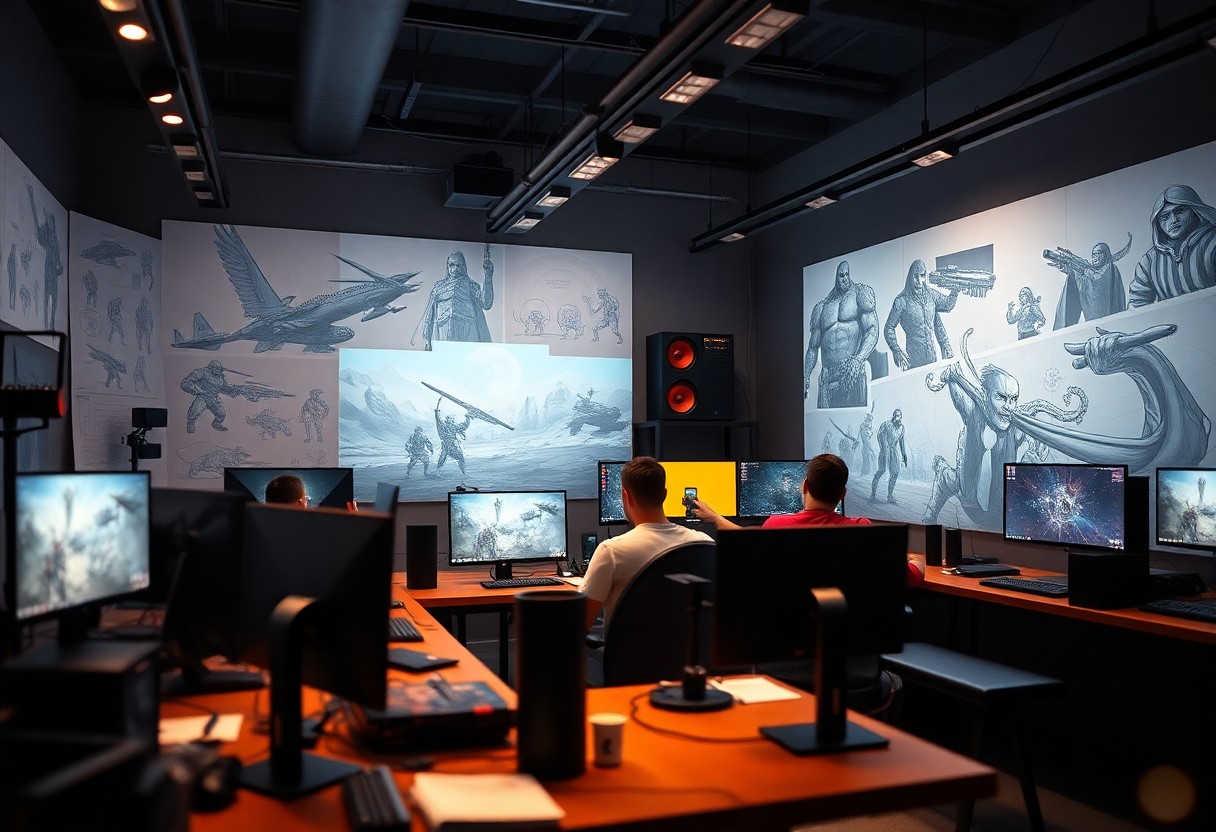
As you immerse yourself in your favorite games, have you ever wondered what goes into creating these immersive experiences? You likely appreciate the engaging storylines, realistic graphics, and challenging gameplay, but do you know the process behind their development? Your curiosity is about to be satisfied, as we probe into the world of game development, exploring the techniques, tools, and talents that come together to bring your favorite games to life, giving you a new appreciation for the art and craftsmanship involved.
Key Takeaways:

  • The development process of popular games involves a complex interplay of creative vision, technical expertise, and project management, with multiple stakeholders working together to bring a game concept to life.
  • Game development teams often face numerous challenges, such as tight deadlines, budget constraints, and the need to balance innovation with player expectations, which can impact the final product.
  • The making of a game is a highly collaborative and iterative process, with developers, designers, and artists working together to test, refine, and polish the game until it meets the desired quality and gameplay standards.

    The Creative Vision

    The process of creating your favorite games begins with a spark of creativity, where developers envision the game’s overall concept, mechanics, and story. You get to experience the final product, but have you ever wondered what happens behind the scenes?

    From Concept to Design Document

    Documentation is key, as it outlines the game’s core mechanics, art style, and narrative. You’ll find that a detailed document serves as a guide for the development team, ensuring everyone is on the same page.

    Art Direction and World Building

    Besides the technical aspects, the art direction and world-building process is where the game’s atmosphere and tone are defined. You’ll notice how these elements come together to create an immersive experience.

    In fact, as you explore the game’s world, you’re experiencing the result of meticulous planning and execution by the development team, who have carefully crafted every detail to draw you in and keep you engaged.

    Technical Framework

    There’s a lot that goes into creating the technical framework of your favorite games, from selecting the right game engine to designing the programming architecture. You’ll need to consider factors like performance, scalability, and compatibility to ensure a seamless gaming experience.

    Game Engine Selection

    Among the many game engines available, you’ll need to choose the one that best fits your needs, considering factors like the type of game you’re creating, your team’s expertise, and the desired level of customization. You’ll want to select an engine that supports your vision and helps you bring your game to life.

    Programming Architecture

    On the programming side, you’ll need to design an architecture that is efficient, flexible, and easy to maintain. You’ll want to consider factors like data structures, algorithms, and software design patterns to ensure that your game runs smoothly and efficiently, providing the best possible experience for your players.

    Even as you probe deeper into the programming architecture, you’ll need to consider how different components interact with each other, and how you can optimize performance, reduce bugs, and improve overall stability. You’ll want to think about how your players will interact with the game, and design your architecture to support a responsive and engaging experience, allowing you to create a game that meets your vision and exceeds your players’ expectations.

    Asset Creation

    Despite the complexity of game development, asset creation is a fundamental step in bringing your favorite games to life. You get to see the characters, environments, and objects that make up the game world, and it’s here that the game’s visual identity starts to take shape.

    3D Modeling and Animation

    Among the various aspects of asset creation, 3D modeling and animation play a significant role in creating immersive game experiences. You witness the transformation of concepts into tangible, interactive elements that draw you into the game’s universe.

    Sound Design and Music

    Against the backdrop of stunning visuals, sound design and music elevate your gaming experience, making it more engaging and realistic. You find yourself fully immersed in the game’s atmosphere, with every sound effect and melody contributing to the overall ambiance.

    It is in the sound design and music that you, as a player, develop a deeper connection with the game, as the audio elements trigger emotions, create tension, or enhance the sense of accomplishment, making your gaming experience even more unforgettable and personalized to your preferences.

    Development Cycles

    After a game concept is finalized, the development process begins, involving multiple stages that shape your favorite games into what you see today.

    Prototyping Phase

    Circling back to the initial stages, you’ll find the prototyping phase, where developers test and validate your game ideas to ensure they’re engaging and fun.

    Iterative Development

    After the prototype is complete, you enter the iterative development phase, where your game is refined through continuous testing and improvement, allowing developers to polish the gameplay and fix issues.

    A key aspect of iterative development is that it allows you to see your game take shape, with each iteration bringing it closer to the final product, and as you play the game, you’ll notice the changes and improvements made in each version, giving you a sense of how your favorite games are crafted with precision and care.

    Quality Assurance

    All games undergo rigorous testing to ensure a smooth player experience. You can learn more about the process by watching videos on Behind the Scenes: Making of AAA Games & VFX Production.

    Testing Methodologies

    Beneath the surface of game development, you’ll find various testing methods. You can explore different approaches to identify bugs and glitches, making your favorite games more enjoyable.

    Bug Tracking and Fixes

    Along with testing, bug tracking is important to game development. You’ll see how developers use tools to identify and fix issues, ensuring a polished final product.

    But as you explore deeper into the world of bug tracking, you’ll discover that it’s a complex process. You’ll need to analyze logs, reproduce issues, and collaborate with teams to resolve problems, ultimately enhancing your overall gaming experience.

    Team Dynamics

    For any game development project, a well-oiled team is crucial to its success. You’ll find that your favorite games are made by teams of talented individuals working together towards a common goal.

    Studio Culture

    Towards creating a positive and productive work environment, studios foster a culture that encourages creativity and open communication. You’ll see that this culture is reflected in the games you play, as it influences the overall tone and style of the final product.

    Department Collaboration

    Alongside effective communication, collaboration between departments is vital to bringing your favorite games to life. You’ll notice that when different departments work together seamlessly, the game’s various elements come together to create a cohesive and engaging experience.

    For instance, when artists, designers, and programmers collaborate, they can create immersive and interactive worlds that draw you in and keep you invested in the game. You’ll find that this collaboration is evident in the game’s mechanics, level design, and overall polish, making your gaming experience all the more enjoyable and rewarding.

    Summing up

    On the whole, you now have a deeper understanding of the process behind creating your favorite games. You can appreciate the effort that goes into designing and developing these immersive experiences. To learn more about the intricacies of game development, visit Behind the scenes of your favorite games to gain insight into the world of gaming. You will discover the complexities and nuances that make your favorite games so engaging.

    FAQ

    Q: What is the process of creating a video game from concept to release?

    A: The process of creating a video game involves several stages, including conceptualization, pre-production, production, testing, and launch. It starts with brainstorming and idea generation, followed by the creation of a game design document, which outlines the game’s mechanics, art style, and story. The pre-production phase involves creating prototypes, developing a project schedule, and assembling a team. During production, the game is built, tested, and polished, and finally, it is launched and marketed to the public.

    Q: How do game developers come up with new and innovative game ideas?

    A: Game developers come up with new and innovative game ideas through a variety of methods, including playing other games, drawing inspiration from literature, film, and other forms of media, and experimenting with new technologies and gameplay mechanics. They also conduct market research, gather feedback from players, and hold brainstorming sessions to generate and refine ideas. Additionally, many game developers are passionate gamers themselves, and they often draw inspiration from their own gaming experiences and interests.

    Q: What role do game designers play in the game development process?

    A: Game designers play a central role in the game development process, as they are responsible for creating the game’s mechanics, levels, and user interface. They work closely with artists, programmers, and writers to ensure that the game is fun, engaging, and visually appealing. Game designers must balance the creative and technical aspects of game development, making sure that the game is both enjoyable to play and technically sound. They also conduct playtesting and gather feedback to make necessary changes and improvements to the game.

    Q: How long does it typically take to develop a video game?

    A: The time it takes to develop a video game can vary greatly, depending on the scope, complexity, and genre of the game. Some games can be developed in a matter of months, while others can take several years to complete. On average, the development time for a AAA game can range from 2 to 5 years, while indie games can be developed in a shorter timeframe, often between 6 months to 2 years. The development time is influenced by factors such as the size of the development team, the technology used, and the level of polish and quality desired.

    Q: What are some of the most significant challenges that game developers face during the game development process?

    A: Game developers face a variety of challenges during the game development process, including tight deadlines, limited budgets, and the need to balance creative vision with technical constraints. They must also navigate the complexities of game engine technology, manage large teams of developers, and ensure that the game meets the expectations of players and publishers. Additionally, game developers must stay up-to-date with the latest trends and advancements in the industry, and be prepared to make changes and adjustments as the game development process unfolds. This requires strong project management, communication, and problem-solving skills.


Video Games and Real-World Issues – Tackling Social Themes

As you explore the world of video games, you may notice that many titles tackle complex social themes that affect your daily life. You will encounter games that address issues like inequality, environmental degradation, and social justice, prompting you to think critically about your role in these matters. Your gaming experience can be more than just entertainment, as it can also be a platform for social commentary and awareness, allowing you to engage with real-world issues in a unique and impactful way.

Key Takeaways:

  • Video games can serve as a powerful medium for addressing real-world issues, such as mental health, social inequality, and environmental degradation, by raising awareness and promoting empathy among players.
  • Many modern video games incorporate social themes and issues into their narratives, characters, and gameplay mechanics, providing a unique platform for players to engage with and reflect on complex problems.
  • By tackling social themes in a thoughtful and realistic manner, video games can inspire players to think critically about the world around them and potentially motivate them to take action on issues that matter, both in-game and in real life.

Social Awareness Through Gaming

For you to understand the impact of video games on social awareness, consider that video games play may provide learning, health, social benefits. As you explore this topic, you’ll find that games can shape your perspectives and attitudes towards various social issues.

Representation and Diversity

Through the lens of character development and storytelling, you can see how games promote representation and diversity, allowing you to experience different cultures and identities, and fostering empathy and understanding in your interactions with others.

Cultural Perspectives in Games

Representing diverse cultural perspectives in games can enrich your gaming experience, offering you a unique window into the lives and traditions of people from around the world, and broadening your understanding of the complexities of human culture.

Awareness of cultural differences and nuances is key to appreciating the value of games that incorporate diverse perspectives. As you play games that tackle real-world issues, you can develop a deeper understanding of the complexities of social problems and the importance of empathy and inclusivity in your own life, ultimately enriching your experience and broadening your worldview.

Political Commentary in Video Games

The world of video games has become a platform for developers to express their opinions on real-world issues, and you can see this in the way they tackle political commentary. You will notice that many games address social themes, allowing you to engage with complex issues in a virtual environment.

Democracy and Power Dynamics

Along with the rise of politically charged games, you are presented with opportunities to explore democracy and power dynamics. You can experience different systems of governance and consider the implications of your choices, allowing you to develop a deeper understanding of these concepts.

War and Conflict Narratives

By exploring war and conflict narratives in video games, you can gain insight into the human experience during times of turmoil. You will see how games portray the consequences of war and the impact on individuals, communities, and societies.

Further, as you investigate into war and conflict narratives, you will notice that many games offer a nuanced perspective on the complexities of war, encouraging you to think critically about the motivations and consequences of conflict. You can analyze the ways in which games portray the experiences of soldiers, civilians, and other stakeholders, and consider the implications of these portrayals on your understanding of real-world conflicts.

Environmental Themes

Despite the virtual nature of video games, you can explore real-world environmental issues, such as climate change and conservation. As you explore into these topics, you’ll find that Video games can create beneficial social connections and tackle real issues, making you more aware of your impact on the environment.

Climate Change in Gaming

Before playing games that focus on environmental themes, you might not consider the impact of climate change on your daily life. However, as you play, you’ll notice how games like “Eco” and “This War of Mine” incorporate climate change, making you think about your actions and their consequences.

Resource Management Games

Between managing resources and making sustainable choices, you’ll find that games like “SimCity” and “Frostpunk” challenge your ability to balance growth and environmental protection. As you play, you’ll learn about the importance of resource management and its effects on the environment.

It is interesting to note that resource management games can teach you valuable skills, such as prioritization and planning, which can be applied to your real life. As you manage resources in games, you’ll develop a deeper understanding of the consequences of your actions, making you more mindful of your environmental footprint and encouraging you to make more sustainable choices in your daily life.

Economic Systems and Society

After exploring the world of video games, you may wonder if they can have a positive impact on your life and society. You can find out more about how Can video games make our world a better place by promoting social good and addressing real-world issues.

Virtual Economies

Behind the engaging gameplay, you’ll find complex virtual economies that mimic real-world systems, allowing you to experience different economic models and their effects on society.

Wealth Distribution Mechanics

Wealth inequality is a significant issue in many games, and you’ll encounter various mechanics that address this problem, such as taxation, trade, and resource distribution.

At the heart of wealth distribution mechanics lies the idea of fairness and equality, and as you play, you’ll be forced to consider the consequences of your economic decisions and how they impact the game’s society, making you think about your own values and principles regarding wealth and resource allocation.

Mental Health and Well-being

To address mental health and well-being, you’ll find that video games can be a valuable resource, offering a unique perspective on these issues and providing you with a deeper understanding of the challenges people face.

Gaming as Therapeutic Tool

Any gamer knows that playing games can be a great way to relax and unwind, and you may be surprised to learn that some games are even being used as therapeutic tools to help you manage stress and anxiety.

Emotional Intelligence Development

Mindful of the impact of games on your emotional well-being, you’ll find that some games are designed to help you develop emotional intelligence, allowing you to better understand and manage your emotions, as well as empathize with others.

Indeed, as you explore games that focus on emotional intelligence development, you’ll discover that they can help you develop self-awareness, self-regulation, and social skills, all of which are important for maintaining good mental health and building strong relationships with others, and you can apply these skills to your everyday life, leading to greater overall well-being.

Social Justice and Activism

Once again, video games are pushing boundaries by tackling social justice and activism, allowing you to engage with real-world issues in a unique way, and influencing your perspective on these matters.

Games for Change Movement

Mobilizing the gaming community, the Games for Change movement is using games to drive social change, enabling you to participate in creating a better world through your gaming experiences.

Player Agency and Moral Choices

On one hand, player agency and moral choices in games give you the power to make decisions that impact the game world, allowing you to explore complex social issues and their consequences.

A key aspect of player agency is the ability to shape your own experience, as you navigate through the game’s narrative, making choices that reflect your values and principles, and influencing the outcome of the story, which can lead to a deeper understanding of social justice and activism, and encourage you to think critically about your own role in creating positive change.

To wrap up

Following this exploration of video games and real-world issues, you can see how your gaming experience can be more than just entertainment. You will notice that many games tackle social themes, allowing you to engage with complex issues in a unique way. As you play, you will develop a deeper understanding of the world and your place in it, making your gaming experience more meaningful and impactful. Your perspective on social issues will broaden, and you will be able to approach them with a fresh insight.

FAQ

Q: What role do video games play in addressing real-world social issues?

A: Video games have become a significant medium for tackling social themes and issues, such as racism, sexism, and mental health. Many games incorporate storylines and characters that reflect real-world problems, sparking important discussions and raising awareness among players. By doing so, video games can help promote empathy, understanding, and social change.

Q: How do video games approach sensitive topics like violence and trauma?

A: Video games often approach sensitive topics like violence and trauma in a thoughtful and nuanced manner. Some games, such as those in the action-adventure genre, may depict violent scenes, but also provide context and commentary on the consequences of violence. Other games, like those focused on storytelling and character development, may explore the emotional and psychological impacts of trauma on individuals and communities. Ultimately, the goal is to create a thought-provoking experience that encourages players to reflect on these complex issues.

Q: Can video games be an effective tool for social commentary and critique?

A: Yes, video games can be a powerful tool for social commentary and critique. By presenting complex social issues in an engaging and interactive way, games can inspire players to think critically about the world around them. Many games, such as those in the satire and dystopian genres, use humor, irony, and exaggeration to comment on current events and social norms, encouraging players to question and challenge the status quo.

Q: How do video games portray and impact players’ perceptions of diversity and inclusion?

A: Video games have made significant strides in recent years in portraying diverse characters, stories, and experiences. Games like Life is Strange and What Remains of Edith Finch feature protagonists from underrepresented groups, promoting visibility and inclusivity. Additionally, games like Overwatch and Apex Legends showcase diverse casts of characters, highlighting the importance of teamwork and cooperation across different backgrounds and identities. By portraying diverse characters and experiences, video games can help break down stereotypes and promote empathy and understanding among players.

Q: What is the potential impact of video games on players’ emotional and mental well-being?

A: Video games have the potential to both positively and negatively impact players’ emotional and mental well-being. On the one hand, games can provide a healthy outlet for stress, anxiety, and other emotions, offering a sense of escapism and relaxation. On the other hand, games can also perpetuate negative attitudes and behaviors, such as aggression and competition, which can have negative effects on mental health. Ultimately, the impact of video games on players’ emotional and mental well-being depends on the individual game, the player’s personality and preferences, and the gaming experience as a whole.

Indie Gems – The Best Lesser-Known Games You Must Play

As you explore the world of gaming, you’re likely to stumble upon popular titles that dominate the market. However, you may be missing out on hidden treasures that can elevate your gaming experience. Your search for unique and engaging games ends here, as you’re about to discover a curated list of indie gems that will take your gaming to the next level, offering fresh storylines, innovative gameplay, and unforgettable characters that will leave you wanting more.

Key Takeaways:

  • Exploring indie games can lead to the discovery of unique and engaging experiences that may have been overlooked in favor of more popular titles, offering fresh gameplay mechanics and innovative storytelling.
  • Indie games often have the freedom to take risks and experiment with new ideas, resulting in a diverse range of genres and styles that can appeal to different tastes and preferences.
  • Playing lesser-known indie games can also support independent developers and help to foster a sense of community among gamers who share similar interests and passions for hidden gems in the gaming world.

Hidden Platforming Masterpieces

Among the numerous platformers available, some hidden gems await your discovery. You’ll find unique and engaging games that will challenge your skills and provide hours of entertainment.

Artistic Indie Platformers

Abundant with creativity, these games offer visually stunning experiences. You’ll encounter beautifully designed levels and characters that will leave you in awe, making your gaming experience even more enjoyable.

Innovative Mechanics in Small Studios

Behind the scenes, small studios are working tirelessly to create innovative platformers. You’ll discover new and exciting gameplay mechanics that will keep you engaged and curious about what’s next.

Even more impressive is the fact that these small studios are pushing the boundaries of what’s possible in platformer games. You’ll find that their innovative approaches to game design will challenge your perceptions and keep you coming back for more, as you explore the unique worlds and gameplay they have to offer.

Underground RPG Treasures

While exploring the world of indie games, you’ll stumble upon hidden RPG gems that will captivate your imagination. These underground treasures offer unique experiences that rival their mainstream counterparts, with engaging stories and innovative gameplay mechanics that will keep you hooked.

Story-Driven Hidden Gems

On the lookout for games with compelling narratives, you’ll discover titles that focus on character development and emotional depth, drawing you into their richly crafted worlds and making you invested in the characters’ journeys.

Unique Combat Systems

After delving into the world of indie RPGs, you’ll encounter games that revolutionize combat with fresh perspectives and mechanics, offering a refreshing change from traditional systems and keeping your gaming experience exciting and unpredictable.

Indeed, unique combat systems are a hallmark of many underground RPG treasures, allowing you to approach battles in creative ways, such as using the environment to your advantage or exploiting enemy weaknesses. As you explore these games, you’ll find that the innovative combat mechanics add a new layer of depth to the gameplay, making your experience even more engaging and challenging, and pushing you to think strategically and adapt to each situation.

Overlooked Puzzle Games

Now, if you’re looking for some hidden gems, check out Extremely underrated and hidden indie game gems? for some inspiration. You’ll find a wealth of options to satisfy your puzzle cravings.

Mind-Bending Mechanics

Any fan of puzzle games will appreciate the complex challenges that these overlooked titles have to offer, pushing your problem-solving skills to the limit and keeping you engaged for hours.

Artistic Puzzle Experiences

On the other hand, you may prefer puzzle games with a strong focus on art and atmosphere, drawing you into immersive worlds that are as beautiful as they are challenging.

Considering the unique blend of art and puzzle-solving in these games, you’ll find that they offer an experience unlike any other, with stunning visuals and thought-provoking challenges that will keep you coming back for more, and leave a lasting impression on your gaming experience.

Indie Horror Surprises

After exploring the world of indie games, you’ll discover a plethora of hidden horror gems that will send chills down your spine. These games offer a unique experience that will keep you on the edge of your seat, eager to uncover the secrets and terrors that lie within.

Psychological Horror Gems

By delving into psychological horror, you’ll encounter games that toy with your mind, making it difficult to distinguish reality from illusion. These games will challenge your perceptions and leave you questioning your own sanity.

Unique Scare Mechanics

Before you think you’ve seen it all, indie horror games will introduce you to innovative scare mechanics that will catch you off guard. You’ll experience fear in new and unexpected ways, making each game a thrilling adventure.

Another aspect of unique scare mechanics is the way they subvert your expectations, creating a sense of uncertainty that keeps you engaged and invested in the game. As you navigate through the game, you’ll encounter unexpected jumpscares, eerie atmospheres, and terrifying enemies that will keep you on your toes, making your experience even more thrilling and unforgettable.

Action Games from Small Teams

Once again, you’ll find yourself immersed in a world of fast-paced action and thrilling combat, as small teams of developers bring their unique vision to the table, offering a fresh take on the action genre that will keep you on the edge of your seat.

Combat-Focused Indies

For instance, you can explore a variety of indie games that focus primarily on combat, providing you with a range of intense and satisfying experiences that will test your skills and reflexes.

Creative Combat Systems

At the heart of many action games from small teams lies innovative combat mechanics, allowing you to approach challenges in new and exciting ways, and giving you the freedom to experiment with different tactics and strategies.

From the clever use of environmental hazards to the implementation of complex combos and special abilities, you’ll discover a wealth of creative combat systems that will keep you engaged and entertained, as you uncover the unique features and gameplay mechanics that set each game apart, and experience the thrill of mastering your favorite combat styles.

Strategy & Management Gems

Keep exploring the world of indie games, and you’ll discover hidden gems that will challenge your strategic thinking, as seen in the 17 Most Underrated Indie Games that you should definitely check out.

Resource Management Innovations

For instance, you’ll find innovative resource management systems that will test your ability to allocate resources efficiently and make the most of your in-game assets.

Tactical Indie Brilliance

Before entering into the world of tactical indie games, you’ll need to develop your problem-solving skills and think critically about your next move.

A key aspect of tactical indie brilliance is the ability to adapt to new situations and make quick decisions, which will help you succeed in games that require strategic thinking and planning, and as you play these games, you’ll find that your skills will improve, allowing you to tackle even more challenging games and explore new genres.

Final Words

Taking this into account, you now have a list of hidden gems to explore. You can discover more about 10 Criminally Underrated Indie Games You Need To Play and add them to your collection, enriching your gaming experience with unique stories and gameplay mechanics that will leave a lasting impression on your gaming journey, and broaden your understanding of the diverse world of indie games that you might have otherwise overlooked.

FAQ

Q: What are Indie Gems and why are they worth playing?

A: Indie Gems refer to lesser-known, independently developed games that have received less attention than mainstream titles, but still offer engaging gameplay, unique mechanics, and captivating storylines. These games are worth playing because they often provide fresh perspectives, innovative ideas, and a more personal touch, making them a great way to discover new favorites and support emerging developers.

Q: How do I find Indie Gems, and what platforms can I play them on?

A: You can find Indie Gems on various platforms, including PC (via Steam, GOG, and itch.io), consoles (such as PlayStation, Xbox, and Nintendo Switch), and mobile devices. To discover these hidden gems, you can explore online communities, social media, and gaming forums, where players and developers share their favorite indie games. Additionally, many platforms feature curated lists and recommendations, making it easier to stumble upon these overlooked treasures.

Q: What genres and types of games can I expect to find among Indie Gems?

A: Indie Gems encompass a wide range of genres, including action, adventure, role-playing, puzzle, strategy, and simulation games. You can also find unique blends of genres, experimental titles, and games that defy traditional categorization. From atmospheric narrative-driven experiences to challenging roguelikes and relaxing sandbox games, the diversity of Indie Gems ensures that there’s something for every type of player, regardless of their preferences or interests.

Q: Are Indie Gems as polished and stable as mainstream games, and what kind of support can I expect?

A: While some Indie Gems may have rough edges or minor issues, many are remarkably polished and stable, considering the limited resources and team sizes of their developers. In fact, indie developers often engage closely with their communities, releasing regular updates, patches, and expansions based on player feedback. This direct connection can lead to a more personalized and responsive gaming experience, as developers strive to address concerns and improve their games over time.

Q: Can playing Indie Gems help support the gaming industry and emerging developers, and how can I get involved in the community?

A: By playing and promoting Indie Gems, you’re directly supporting independent developers and contributing to the growth of the gaming industry. You can get involved in the community by sharing your favorite indie games on social media, participating in online forums and discussions, and providing feedback to developers. Many indie games also offer community-driven features, such as mod support, level editors, or collaborative gameplay, allowing you to collaborate with others and become an integral part of the game’s ecosystem. This collective enthusiasm and engagement can help foster a vibrant, inclusive community that celebrates creativity and innovation in gaming.

Innovative Game Reviews – Spotlight on the Most Creative Titles

As you explore into the world of gaming, you’re likely to encounter a plethora of titles that boast innovative gameplay and creative storytelling. You may be wondering what sets these games apart from the rest. Your search for the most imaginative and engaging games ends here, as you’ll discover the most creative titles that are redefining the gaming landscape, and what makes them a must-play for you.

Key Takeaways:

  • The most innovative games often feature unique mechanics and storytelling methods that set them apart from more traditional titles, offering players a fresh and exciting experience.
  • Games that prioritize creativity and originality can lead to a more engaging and immersive player experience, as they encourage exploration and experimentation.
  • Spotlighting innovative games can help to drive the industry forward, as it recognizes and rewards developers who are pushing the boundaries of what is possible in game design and encouraging others to follow suit.

Breaking Genre Boundaries

A new wave of innovative games is redefining the gaming landscape, offering unique experiences that challenge your perceptions and push the boundaries of what you thought was possible.

Games That Defy Classification

With the rise of indie game development, you’ll encounter titles that blend genres and create new categories, making it difficult to pigeonhole them into traditional classifications, and this is what makes your gaming experience so exciting.

Experimental Gameplay Mechanics

Gameplay innovations are at the forefront of this revolution, as you’ll discover new ways to interact with virtual worlds, and this shift is changing the way you experience games, offering fresh challenges and opportunities for exploration.

Further exploration of experimental gameplay mechanics reveals a world where you can manipulate time, gravity, and space, allowing you to solve puzzles and overcome obstacles in innovative ways, and as you probe deeper, you’ll find that these mechanics are not just gimmicks, but integral to the gameplay, enhancing your overall experience and leaving a lasting impression on your gaming habits.

Narrative Innovation

While exploring innovative game reviews, you’ll notice a trend towards unique storytelling methods. Check out the Indie Game Spotlight: 20 Unmissable Adventures – Land of Geek for inspiration.

Non-Linear Storytelling Approaches

About the most innovative titles, you’ll find that non-linear storytelling is a key element, allowing you to experience the narrative in a unique way.

Player-Driven Narratives

After stepping into these games, you’ll see that player-driven narratives offer a high level of immersion, making your experience feel personalized.

Due to the complexity of player-driven narratives, you can expect a more engaging experience, as your choices have a direct impact on the story, making you feel like an integral part of the game’s world.

Visual Design Revolution

All games have the potential to transport you to new and imaginative worlds, and the most innovative titles are those that push the boundaries of visual design. You’ll be amazed by the creativity and attention to detail that goes into crafting these immersive experiences.

Artistic Direction Breakthroughs

Revamping the way you think about game design, artistic direction breakthroughs are changing the landscape of the industry. You’ll notice a significant shift in the way games are presented, with unique styles and techniques that set them apart from more traditional titles.

Unconventional Art Styles

Following the trend of innovative design, unconventional art styles are becoming increasingly popular. You’ll discover a wide range of creative approaches, from hand-drawn graphics to pixel art, each offering a distinct and captivating visual experience.

For instance, you’ll find that games with unconventional art styles often have a strong focus on storytelling and atmosphere, drawing you into their unique worlds and refusing to let go. You’ll be able to explore vibrant, fantastical environments that are full of character and charm, making your gaming experience even more engaging and enjoyable.

Sound and Music Innovation

Unlike other aspects of game design, sound and music innovation can elevate your gaming experience to new heights, drawing you into the world and refusing to let go, as you explore the most creative titles that push the boundaries of audio.

Interactive Audio Experiences

Besides the stunning visuals, you’ll find that interactive audio experiences are becoming increasingly popular, allowing you to engage with the game’s sound design in new and exciting ways, making your experience even more immersive.

Dynamic Soundscapes

Towards the forefront of sound innovation, you’ll discover dynamic soundscapes that adapt to your every move, creating a unique sonic experience that complements the game’s atmosphere and gameplay, making you feel like you’re an integral part of the world.

Understanding how dynamic soundscapes work, you can appreciate the complexity of the audio design, as you notice how the music and sound effects change in response to your actions, creating a truly immersive experience that draws you deeper into the game, and you start to anticipate the sounds that will accompany your next move.

Gameplay Evolution

Keep an eye on the latest developments in the gaming world, and you’ll notice a significant shift towards innovative gameplay mechanics, as seen in the Indie Game Spotlight: Showcasing Unique and Innovative Indie Games, which highlights the most creative titles.

Novel Control Schemes

For instance, you’ll find that many modern games feature unique control schemes that enhance your overall gaming experience, allowing you to interact with the game world in new and exciting ways.

Player Interaction Methods

With the rise of immersive technologies, you can expect to see more innovative player interaction methods, such as voice commands and gesture recognition, which will change the way you engage with your favorite games.

Another aspect of player interaction methods is the use of artificial intelligence, which enables more realistic non-player characters and dynamic gameplay environments, making your gaming experience even more engaging and realistic, as you navigate through the game’s world and interact with its inhabitants, you’ll feel like you’re part of a living, breathing ecosystem.

Technical Innovation

Now, as you investigate into the world of innovative games, you’ll notice significant advancements in technology. These developments have transformed the gaming experience, offering you more immersive and engaging gameplay.

Engine and Technology Advances

On the forefront of technical innovation, you’ll find improved game engines and technologies that enable smoother gameplay and stunning visuals, allowing you to enjoy a more realistic experience.

Performance Breakthroughs

Above all, performance enhancements have revolutionized the way you play games, with faster load times and optimized hardware utilization, enabling you to focus on the game itself.

Consequently, as you explore the latest games, you’ll discover that performance breakthroughs have a significant impact on your overall gaming experience, enabling you to play more complex and demanding games without interruptions, and you can appreciate the attention to detail and care that developers put into creating a seamless experience for you.

Summing up

Drawing together the highlights of innovative game reviews, you now have a comprehensive overview of the most creative titles. You can explore your options, considering the unique features and gameplay that set these games apart. With your newfound knowledge, you can make informed decisions about which games to play, and discover new favorites that cater to your tastes and preferences.

FAQ

Q: What is the main focus of Innovative Game Reviews?

A: Innovative Game Reviews is dedicated to highlighting the most creative and innovative titles in the gaming industry. Our team of experts dives deep into the latest releases, analyzing gameplay mechanics, art styles, and overall player experience to bring you the most comprehensive reviews of the most imaginative games out there.

Q: How do you select the games to be featured in Innovative Game Reviews?

A: Our selection process involves a thorough evaluation of newly released games, considering factors such as originality, gameplay innovation, and the overall impact on the gaming community. We also take into account feedback from gamers, industry trends, and the reputation of the game developers to ensure that we spotlight the most deserving titles.

Q: What kind of information can I expect to find in an Innovative Game Review?

A: Each review on our platform provides an in-depth analysis of the game, including its storyline, gameplay mechanics, graphics, and sound design. We also discuss the game’s unique features, any notable achievements or awards, and how it compares to other titles in the same genre. Additionally, our reviews often include interviews with the game developers, providing insight into their creative process and vision.

Q: Are the reviews on Innovative Game Reviews biased towards any particular genre or type of game?

A: No, our reviews cover a wide range of genres and types of games, from indie titles to AAA releases, and from action-adventure games to role-playing games and puzzles. Our goal is to celebrate innovation and creativity in all forms, regardless of the genre or platform. We strive to maintain a neutral and objective stance, focusing on the merits of each game and its contribution to the gaming industry as a whole.

Q: How often are new reviews and content added to Innovative Game Reviews?

A: We regularly update our site with new reviews, features, and articles. Our team is constantly on the lookout for the latest releases and trends, ensuring that our content stays fresh and relevant. We aim to publish at least one new review per week, along with occasional special features, interviews, and opinion pieces from industry experts and gamers. By following us, you’ll always be up-to-date on the most innovative and exciting developments in the world of gaming.

Inspiring the Next Generation – How Games Fuel Creativity

As you explore the world of gaming, you’ll discover its potential to inspire creativity in the next generation. You can foster imagination and innovation in young minds through interactive and engaging games. To learn more about games that can spark creativity, you can visit The Best Video Games for Creatives, which highlights top picks for nurturing artistic talent. By introducing your child to these games, you can unlock their full creative potential.

Key Takeaways:

  • Games have the potential to foster creativity in the next generation by providing interactive and immersive experiences that encourage experimentation and innovation, allowing players to express themselves and bring their ideas to life.
  • The creative freedom offered by games can help develop problem-solving skills, as players are often required to think outside the box and find novel solutions to overcome challenges and achieve their goals.
  • By leveraging the engaging and interactive nature of games, educators and parents can inspire young minds to explore their creative potential, develop new skills, and build confidence in their ability to create and innovate, ultimately preparing them for success in an increasingly complex and dynamic world.

The Creative Power of Gaming

To tap into the creative potential of gaming, you’ll discover that it offers a unique platform for self-expression and imagination. As you explore virtual worlds, you’ll find that games can inspire new ideas and foster innovative thinking, allowing you to bring your creative visions to life.

Digital Playgrounds as Creative Spaces

Along with the rise of gaming, you’ll notice that digital playgrounds have become vibrant creative spaces where you can experiment and express yourself. As you engage with these virtual environments, you’ll find that they offer a wide range of tools and resources to help you unlock your full creative potential.

Problem-Solving Through Interactive Experiences

Experiencing interactive games, you’ll find that they present you with challenging problems to solve, which can help you develop your critical thinking skills and creativity. As you navigate through these experiences, you’ll discover that they encourage you to think outside the box and come up with innovative solutions.

Due to the interactive nature of games, you’ll have the opportunity to learn from your mistakes and apply what you’ve learned to real-life situations. As you progress through levels and overcome obstacles, you’ll develop a growth mindset, becoming more confident in your ability to tackle complex problems and think creatively, which can have a lasting impact on your life and help you achieve your goals.

Games as Learning Tools

There’s a growing recognition that games can be effective learning tools, offering engaging and interactive ways to acquire new skills and knowledge. You can explore various subjects, from science and history to language and culture, through games that make learning fun and accessible.

Skill Development Through Play

Any opportunity to engage in play can help you develop important skills, such as problem-solving, critical thinking, and collaboration. As you play games, you’ll encounter challenges that require creative solutions, helping you build confidence and develop a growth mindset.

Cognitive Benefits and Innovation

Innovatively designed games can stimulate your imagination and foster innovative thinking. You’ll experience new ideas and perspectives, encouraging you to think outside the box and explore novel solutions to complex problems.

It is interesting to note that the cognitive benefits of games can extend beyond the virtual world, influencing your approach to real-life challenges. As you develop your critical thinking and problem-solving skills, you’ll become more adept at analyzing complex situations and finding creative solutions, making you more innovative and resourceful in your daily life.

Social Aspects of Creative Gaming

Unlike traditional forms of entertainment, games offer a unique opportunity for social interaction and creativity. As you explore the world of creative gaming, you’ll find that Video game playing tied to creativity, research shows, and this is especially true in social settings.

Collaborative World-Building

On the other hand, when you engage in collaborative world-building, you’ll discover that games can foster teamwork and creativity. You’ll work together with others to build and shape virtual worlds, promoting social interaction and creative problem-solving.

Community-Driven Innovation

Gaming communities are driving innovation in creative gaming, with players sharing their creations and inspiring others to do the same. You’ll find that these communities are passionate and dedicated, always pushing the boundaries of what’s possible.

But as you probe deeper into community-driven innovation, you’ll realize that it’s not just about sharing creations, but also about learning from others and building upon their ideas. You’ll have the opportunity to engage with like-minded individuals, get feedback on your work, and contribute to the growth of the community, ultimately fueling your own creativity and inspiring you to try new things.

From Player to Creator

Once again, you find yourself immersed in a virtual world, but this time, you’re not just playing – you’re creating. Games have become a catalyst for your imagination, inspiring you to craft your own stories, characters, and experiences.

Modding Communities

Beneath the surface of popular games, you’ll discover thriving modding communities where enthusiasts like you share and create custom content, fostering a sense of collaboration and innovation.

Game Design as Creative Expression

As a creator, you’ll find that game design offers a unique outlet for self-expression, allowing you to bring your ideas to life and share them with others, tapping into your imagination and technical skills.

Hence, as you explore deeper into game design, you’ll discover that it’s not just about creating games, but about crafting immersive experiences that evoke emotions, challenge perceptions, and inspire new perspectives, enabling you to grow as a creative problem-solver and storyteller, with your imagination being the only limit to what you can achieve.

The Future of Creative Gaming

Your child’s creative potential can be unlocked through games, and as technology advances, the possibilities for creative expression will continue to grow, enabling you to explore new ways to inspire your child’s imagination.

Emerging Technologies and Tools

With the rise of innovative technologies, you will have access to a wide range of tools that can enhance your child’s creative gaming experience, from virtual reality to artificial intelligence, allowing you to provide a more immersive and engaging environment for your child to thrive.

Educational Gaming Platforms

Around the world, educational gaming platforms are being developed to provide you with a wealth of resources to support your child’s learning and creativity, offering a unique opportunity for you to encourage your child’s growth and development in a fun and interactive way.

In fact, educational gaming platforms are becoming increasingly sophisticated, allowing you to tailor your child’s learning experience to their individual needs and interests, and providing you with a range of tools and resources to track their progress and identify areas where they may need extra support, enabling you to make informed decisions about your child’s education and creative development.

Breaking Creative Barriers

Many games offer open-world experiences that allow you to express yourself freely, fostering creativity and imagination. As you explore these virtual worlds, you can develop problem-solving skills and think outside the box, pushing your creative boundaries.

Overcoming Traditional Learning Limitations

Boundaries to traditional learning methods are being redefined as you engage with interactive games that make learning fun and engaging. You can learn at your own pace, exploring new concepts and ideas in a risk-free environment, which helps to build your confidence and creativity.

Games as Professional Development Tools

Along with the rise of gamification, you can now use games as a tool for professional development, enhancing your skills and knowledge in a unique and engaging way. You can develop leadership skills, work collaboratively, and solve complex problems, all within a virtual environment.

Hence, as you explore deeper into the world of games as professional development tools, you will discover a wide range of benefits that can enhance your career prospects. You can acquire new skills, such as project management, communication, and teamwork, which are highly valued in the professional world, and you can apply these skills in real-world scenarios, making you a more competitive and creative professional.

Summing up

Drawing together the threads of how games fuel creativity, you can see the impact on your life and the lives of the next generation. As you explore the world of gaming, you’ll find that it inspires your imagination, fosters innovation, and enhances your problem-solving skills. By embracing games, you’ll unlock your full creative potential and empower the next generation to do the same, shaping a brighter, more innovative future for yourself and those around you.

FAQ

Q: What role do games play in inspiring creativity in the next generation?

A: Games have a significant impact on inspiring creativity in the next generation. They provide an interactive and immersive environment where players can express themselves, experiment with different ideas, and develop problem-solving skills. Through games, children can explore their imagination, build confidence, and develop a growth mindset, all of which are necessary for creative thinking and innovation.

Q: How do games encourage creative thinking and problem-solving skills in children?

A: Games encourage creative thinking and problem-solving skills in children by presenting them with challenges and obstacles that require innovative solutions. Players must think critically, analyze situations, and come up with unique solutions to progress through the game. This process helps develop their cognitive skills, such as spatial reasoning, logical thinking, and decision-making, all of which are necessary for creative problem-solving.

Q: Can games be used as a tool for learning and education, and if so, how?

A: Yes, games can be a highly effective tool for learning and education. Educational games can teach a wide range of subjects, from math and science to language and history, in an engaging and interactive way. Games can also help children develop necessary life skills, such as teamwork, communication, and time management, making them a valuable supplement to traditional teaching methods. By incorporating games into the learning process, educators can create a more immersive and enjoyable experience for students.

Q: How can parents and educators encourage children to use games as a creative outlet?

A: Parents and educators can encourage children to use games as a creative outlet by providing them with access to a variety of games that promote creativity, such as sandbox games, puzzle games, and art games. They can also engage with children in gaming activities, providing guidance and support as needed, and encouraging them to express their thoughts and ideas about the games they play. Additionally, parents and educators can help children develop a balanced gaming habit, ensuring that gaming is just one part of a healthy and well-rounded lifestyle.

Q: What are some examples of games that are specifically designed to inspire creativity and imagination in children?

A: There are many games that are specifically designed to inspire creativity and imagination in children, including Minecraft, Lego Games, and LittleBigPlanet. These games provide players with a high degree of freedom and flexibility, allowing them to build, create, and explore virtual worlds. Other examples include art games, such as Scribblenauts and Mario Maker, which encourage players to express themselves through art and music. These games can help children develop their creative skills, build confidence, and foster a lifelong love of learning and self-expression.

HT-fff Skip to content