Uncategorized

How Video Games Address Social Issues Through Storytelling

As you explore the world of video games, you’ll notice that many titles tackle complex social issues, such as inequality and injustice, through engaging storytelling. You’ll discover that your favorite games often weave in thought-provoking narratives that encourage you to think critically about the world around you. By examining these stories, you’ll gain insight into how video games address social issues, sparking meaningful conversations and inspiring positive change, making your gaming experience more impactful and thought-provoking.

Key Takeaways:

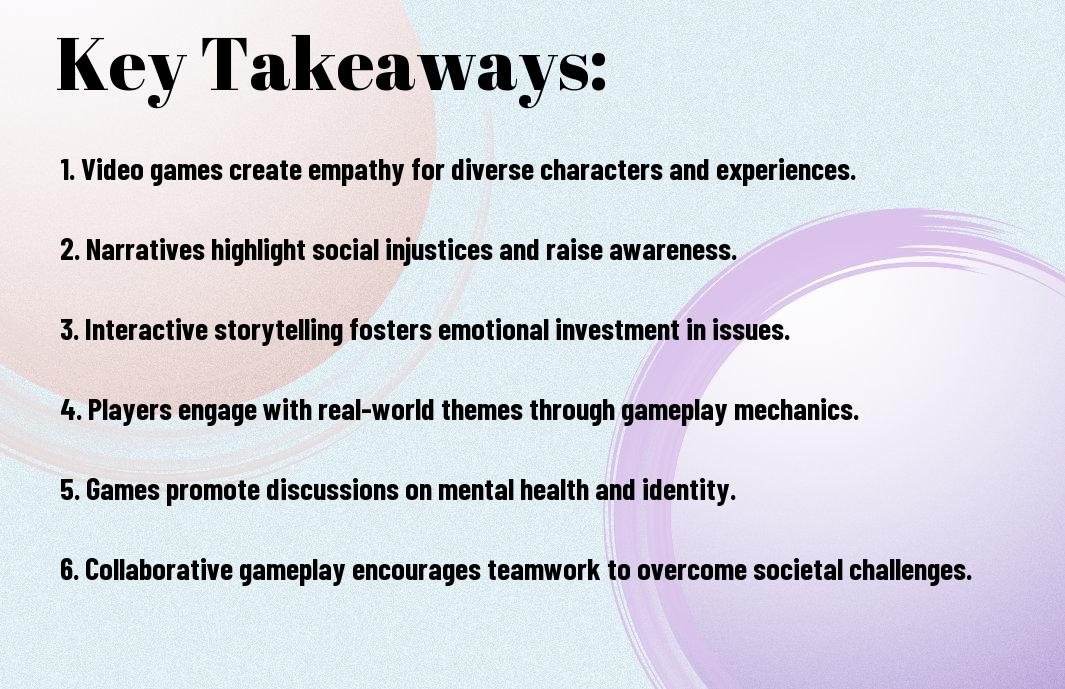
  • Video games have the ability to tackle complex social issues, such as racism, sexism, and inequality, through engaging storytelling and immersive gameplay, allowing players to experience and understand different perspectives.
  • Games like “This War of Mine” and “Papers, Please” use narrative to highlight the human cost of war and the consequences of bureaucratic oppression, promoting empathy and self-reflection in players.
  • Story-driven games can raise awareness about social issues, such as mental health, disability, and LGBTQ+ rights, by incorporating realistic and relatable characters, plotlines, and dialogue.
  • The interactive nature of video games enables players to make choices that impact the story, allowing them to explore the consequences of their actions and develop a deeper understanding of the social issues presented.
  • Games can also serve as a platform for social commentary, using satire, allegory, and other literary devices to critique societal norms and spark meaningful conversations among players.
  • By incorporating diverse characters, settings, and storylines, video games can promote inclusivity and representation, helping to break down stereotypes and challenge players’ assumptions about different social groups.
  • Ultimately, the storytelling in video games has the power to inspire positive change, encouraging players to think critically about social issues and take action to make a difference in their own communities and the world at large.

The Evolution of Social Commentary in Games

Your exploration of video games as a medium for social commentary will lead you to consider whether they should address such issues, as discussed in Should video games address social issues?, and how they have evolved over time.

From Simple Narratives to Complex Social Issues

After delving into the history of video games, you’ll notice that they have transitioned from simple narratives to tackling complex social issues, reflecting your changing world and societal concerns.

The Rise of Choice-Based Storytelling

By examining modern games, you’ll find that choice-based storytelling has become a key aspect of the medium, allowing you to engage with social issues in a more personal way.

Consequently, this shift towards choice-based storytelling enables you to experience different perspectives and outcomes, making you more invested in the game’s social commentary and encouraging you to think critically about the issues presented.
Representation and Identity

Some of the most impactful stories in video games come from their ability to tackle complex social issues, allowing you to experience different perspectives and identities. As you play through these games, you’ll notice how they address representation and identity in a way that’s both thought-provoking and engaging.

Gender and Sexuality in Gaming Narratives

Across various gaming platforms, you’ll find narratives that explore gender and sexuality in a way that’s both authentic and relatable, allowing you to connect with characters on a deeper level and understand their struggles and triumphs.

Cultural Diversity and Perspective

By exploring different cultures and perspectives, you’ll gain a broader understanding of the world and its complexities, as video games provide a unique lens through which to experience and learn about various cultural identities and backgrounds.

Hence, as you investigate into games that focus on cultural diversity and perspective, you’ll discover how they can enrich your understanding of the world, allowing you to appreciate the nuances of different cultures and fostering empathy and tolerance, which is crucial in today’s global community, and enabling you to become a more informed and open-minded individual.
Political and Economic Themes

Unlike other forms of media, video games can tackle complex political and economic issues in a unique and engaging way, allowing you to experience different perspectives and scenarios firsthand.

Power Structures and Authority

For instance, you can explore the impact of authoritarian regimes and corrupt governments on individuals and societies, and consider how your own actions can influence the balance of power in a virtual world.

Resource Distribution and Class Struggle

Between the haves and have-nots, video games often highlight the disparities in resource distribution, enabling you to witness the consequences of economic inequality and ponder your own role in perpetuating or challenging these systems.

It is through these virtual experiences that you can gain a deeper understanding of the complexities surrounding resource distribution and class struggle, and develop a more nuanced perspective on the social and economic issues that affect your own community, allowing you to think critically about your own place within the larger economic landscape and how your choices can impact others.

Environmental Messaging

Now, as you explore the world of video games, you’ll notice that many titles incorporate environmental messaging into their storytelling, prompting you to think about the impact of human actions on the planet. You can find discussions on How can video games tell more nuanced stories like TV and film, which often tackle complex issues like climate change.

Climate Change and Conservation

At the forefront of environmental messaging in video games is the issue of climate change and conservation, where you, as a player, are tasked with navigating the consequences of environmental degradation and finding ways to mitigate its effects.

Human Impact on Virtual Worlds

Changing the way you think about your actions in virtual worlds, many games now highlight the human impact on the environment, encouraging you to consider the consequences of your in-game decisions.

Even as you play games that allow you to build and manage your own virtual worlds, you’re forced to confront the consequences of your actions, such as pollution, deforestation, and resource depletion, making you think about your real-world impact and how you can make a positive change.

Mental Health and Personal Struggles

Many video games tackle mental health and personal struggles, offering you a unique perspective on these complex issues. You’ll find that these games often use storytelling to convey the emotional depth of their characters, making you invested in their journeys.

Character Development Through Trauma

Traumatizing events shape characters, allowing you to understand their motivations and backstories. You see how trauma affects their behavior, making their development more believable and relatable.

Healing and Recovery Narratives

Across various games, you’ll encounter stories of healing and recovery, which provide you with a sense of hope and resilience. You’ll witness characters overcoming their struggles, and this can be a powerful experience.

Through the portrayal of healing and recovery narratives, you can gain a deeper understanding of the complexities of mental health. You’ll see that recovery is a journey, with ups and downs, and that it’s okay to not be okay. As you play these games, you’ll be reminded that you’re not alone in your struggles, and that seeking help is a sign of strength, not weakness.

Social Justice and Activism

For many players, video games offer a unique perspective on social justice and activism, allowing you to experience different worlds and scenarios that raise awareness about important issues. You can engage with stories that highlight social injustices, encouraging you to think critically about your own beliefs and values.

Player Agency in Social Change

Behind the engaging narratives, you’ll find that many games provide you with the opportunity to make choices that impact the story, allowing you to feel invested in the social change you’re witnessing. You can influence the outcome of events, making your experience feel more personal and immersive.

Consequences and Moral Choices

Changing the way you think about social issues, video games often present you with difficult moral choices, forcing you to consider the consequences of your actions. You must weigh the pros and cons of each decision, thinking carefully about how it will affect the game’s world and characters.

To further explore the concept of consequences and moral choices, you can analyze how games use branching storylines and multiple endings to illustrate the impact of your decisions. You’ll notice that your choices can lead to vastly different outcomes, teaching you about the complexity of social issues and the importance of considering multiple perspectives. As you play, you’ll develop a deeper understanding of the social issues presented, and you’ll be encouraged to think critically about your own role in creating positive change.

Final Words

From above, you can see how video games tackle social issues through storytelling, offering your a unique perspective on complex problems. As you engage with these games, you gain a deeper understanding of the world and its challenges. Your experience is enriched by the immersive narratives, allowing you to empathize with characters and their struggles, ultimately broadening your understanding of social issues and their impact on individuals and society.

FAQ

Q: How do video games use storytelling to address social issues like racism and discrimination?

A: Video games often use narrative techniques such as character development, dialogue, and plot twists to tackle complex social issues like racism and discrimination. For example, games like “This War of Mine” and “Life is Strange” feature characters from diverse backgrounds and experiences, allowing players to engage with and understand different perspectives on these issues. By presenting these issues in a virtual environment, games can provide a safe space for players to explore and learn about sensitive topics, fostering empathy and encouraging players to think critically about the world around them.

Q: Can video games effectively raise awareness about mental health issues, such as anxiety and depression, through their storytelling?

A: Yes, many video games use storytelling to address mental health issues, aiming to reduce stigma and promote understanding. Games like “Night in the Woods” and “Hellblade: Senua’s Sacrifice” feature characters struggling with mental health issues, portraying their experiences in a realistic and relatable way. By sharing these stories, games can help players recognize the signs and symptoms of mental health conditions, encouraging them to seek help and support. Additionally, games can provide resources and information about mental health, further promoting awareness and education.

Q: How do video games incorporate real-world social issues, such as climate change and economic inequality, into their narratives and gameplay mechanics?

A: Video games often incorporate real-world social issues into their narratives and gameplay mechanics to raise awareness, promote discussion, and encourage players to think critically about these issues. For example, games like “Eco” and “This War of Mine” feature gameplay mechanics that simulate the consequences of environmental degradation and economic inequality, respectively. By presenting these issues in a virtual environment, games can help players understand the complexities and challenges of addressing these problems, as well as the importance of individual and collective action in creating positive change. This can inspire players to take action in the real world, promoting a sense of social responsibility and civic engagement.
Cloud Gaming – Redefining Access to High-End Titles

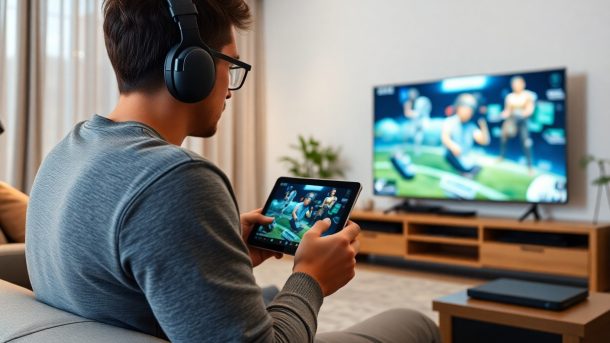
You’re about to experience a revolution in gaming with cloud gaming, which is changing the way you access high-end titles. Your gaming experience is no longer limited by your device’s hardware, as cloud gaming allows you to play high-quality games on any device with an internet connection. You can now enjoy your favorite games without the need for expensive hardware upgrades, making high-end gaming more accessible than ever.

Key Takeaways:

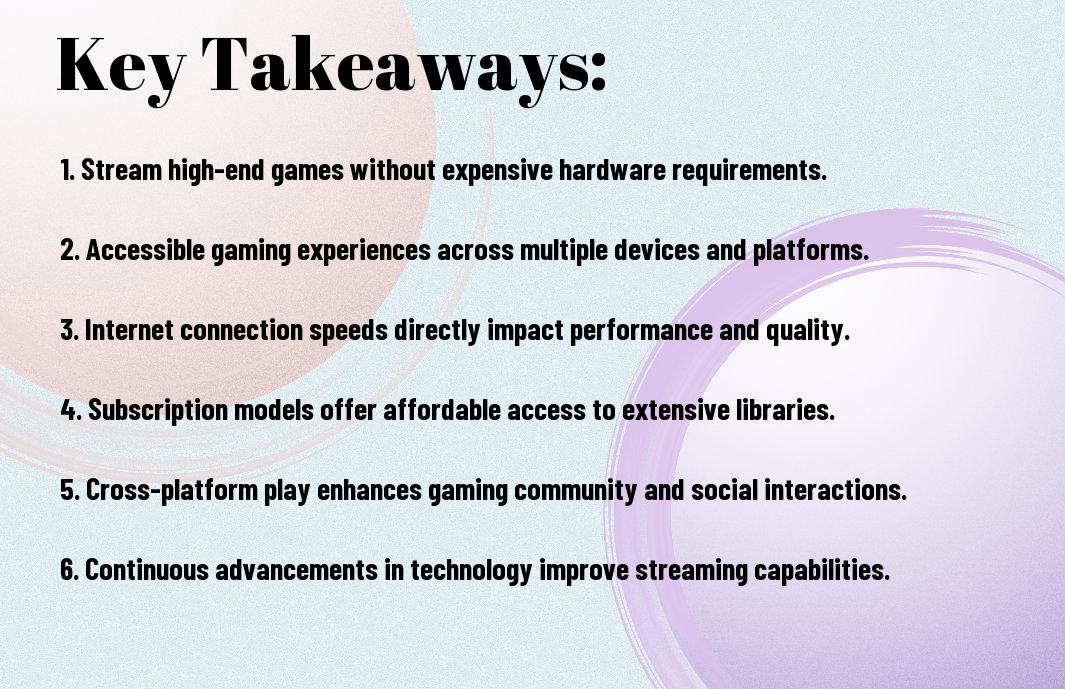
  • Cloud gaming allows users to play high-end titles on low-spec devices, eliminating the need for expensive hardware upgrades and making gaming more accessible to a wider audience.
  • With cloud gaming, games are rendered and processed on remote servers, reducing the load on local devices and enabling seamless gameplay on various platforms, including smartphones, tablets, and smart TVs.
  • Cloud gaming services provide instant access to a vast library of games, eliminating the need for downloads, updates, and storage space, making it a convenient option for gamers.
  • The cloud gaming model also enables new revenue streams for game developers and publishers, such as subscription-based services and in-game purchases, increasing their potential earnings.
  • Cloud gaming technology has improved significantly, offering reduced latency, faster load times, and enhanced graphics quality, providing an immersive gaming experience for users.
  • Major players in the gaming industry, such as Google, Microsoft, and NVIDIA, are investing heavily in cloud gaming, indicating a shift towards a more cloud-based gaming future.
  • As cloud gaming continues to evolve, it is likely to change the way games are developed, marketed, and consumed, opening up new opportunities for innovation and growth in the gaming industry.

Evolution of Gaming Platforms

While exploring the world of cloud gaming, you’ll notice significant changes in how you access and play games. The traditional model of owning a console or high-end PC is evolving, and you’re now presented with more options than ever before.

Traditional Gaming Hardware

By examining your current gaming setup, you’ll likely notice the bulky hardware required to play high-end titles, taking up space and requiring regular upgrades to keep up with the latest games.

Shift to Cloud Infrastructure

Against the backdrop of rapid technological advancements, you’re witnessing a significant shift towards cloud-based gaming solutions, allowing you to play high-end games on any device with an internet connection.

Hardware requirements are no longer a barrier to entry, as you can now access powerful cloud infrastructure, enabling you to play demanding games without the need for expensive hardware upgrades, and you can enjoy your favorite titles on various devices, from smartphones to smart TVs, with your gaming experience being seamless and hassle-free.

Technical Framework

You can explore the technical aspects of cloud gaming by understanding its underlying infrastructure, and for more information, you can visit The rise of cloud gaming – How it is reshaping mobile gaming landscape to learn more about the technology.

Streaming Architecture

At the heart of cloud gaming lies a sophisticated streaming architecture that enables seamless gameplay, allowing you to access high-end titles on your devices without the need for expensive hardware.

Network Requirements

With the rise of cloud gaming, your network connection plays a significant role in determining the quality of your gaming experience, and you should ensure that your internet connection meets the minimum requirements for smooth gameplay.

Network requirements for cloud gaming are dependent on several factors, including the type of game, resolution, and framerate, and you will need to ensure that your network can handle the demands of high-end gaming, with fast upload and download speeds, as well as low latency, to avoid lag and disconnections during gameplay.

Market Impact

Once again, you’re witnessing a significant shift in the gaming landscape, as cloud gaming redefines access to high-end titles, making them more accessible to a broader audience, and you can expect a substantial impact on the market.

Gaming Industry Transformation

Along with the rise of cloud gaming, you’ll see the gaming industry undergo a significant transformation, as developers and publishers adapt to new business models and distribution channels, changing the way you experience games.

Consumer Behavior Changes

Across the globe, you’ll notice changes in consumer behavior, as cloud gaming enables you to play high-end games on various devices, without the need for expensive hardware, altering your gaming habits and expectations.

The way you consume games is evolving, and as a result, you’ll have more flexibility and freedom to play your favorite games anywhere, at any time, without being tied to a specific device or platform, giving you a more personalized gaming experience.

Performance Analysis

Now that you’re considering cloud gaming, you’ll want to evaluate its performance. You’ll find that cloud gaming offers seamless gameplay, with minimal lag and high frame rates, making your gaming experience enjoyable.

Latency Considerations

Around the time you start playing, you’ll notice that latency can impact your gameplay. You’ll need to ensure your internet connection is stable to minimize delays and enjoy a smooth experience.

Graphics Quality

About the visual aspects, you’ll be pleased to know that cloud gaming provides high-quality graphics, comparable to those on high-end gaming PCs. You’ll enjoy detailed textures and realistic environments, enhancing your overall gaming experience.

Graphics play a significant role in cloud gaming, and you’ll appreciate the attention to detail. You’ll notice that the graphics quality is often adjusted based on your internet connection, ensuring that you get the best possible experience. As you explore different games, you’ll find that the graphics quality can vary, but overall, you’ll be impressed with the level of detail and realism that cloud gaming offers.

Economic Model

Despite the initial investment in infrastructure, cloud gaming offers a cost-effective way for you to access high-end titles without breaking the bank. You can enjoy your favorite games without the need for expensive hardware upgrades.

Subscription Services

Around the time cloud gaming emerged, subscription services became increasingly popular, allowing you to access a vast library of games for a flat monthly fee, making it easier for you to try out new titles.

Cost Comparison

Before committing to a cloud gaming service, you’ll want to compare the costs.

Service Monthly Fee
Google Stadia $9.99
NVIDIA GeForce Now $4.99

The cost savings of cloud gaming become apparent when you consider the upfront costs of purchasing a gaming console or high-end gaming PC.

Option Cost
Gaming Console $300-$500
Gaming PC $1,000-$2,000

You can see that cloud gaming offers a more affordable option for accessing high-end games, allowing you to allocate your budget more efficiently.

Accessibility Features

After embracing cloud gaming, you’ll notice a significant shift in how you access high-end titles, with various features designed to enhance your gaming experience.

Cross-Platform Integration

Against the backdrop of traditional gaming limitations, cloud gaming offers seamless integration across different platforms, allowing you to play with your friends regardless of the device they use.

Device Compatibility

Crossing the boundaries of device specifications, cloud gaming enables you to play high-end games on your preferred device, whether it’s a smartphone, tablet, or smart TV, as long as you have a stable internet connection.

At the heart of device compatibility lies the freedom to choose your gaming device, and with cloud gaming, you can switch between devices effortlessly, picking up where you left off, without worrying about hardware upgrades or compatibility issues, making your gaming experience more flexible and enjoyable.

To wrap up

With these considerations, you can see how cloud gaming is redefining access to high-end titles, allowing you to play your favorite games on any device. You can enjoy high-quality graphics and fast performance without the need for expensive hardware. Your gaming experience is now more flexible and accessible, giving you the freedom to play anywhere, at any time, with cloud gaming’s innovative technology.

FAQ

Q: What is cloud gaming and how does it redefine access to high-end titles?

A: Cloud gaming is a revolutionary technology that allows users to play high-end video games on various devices, including low-end hardware, smartphones, and tablets, without the need for expensive gaming consoles or high-performance computers. This is made possible by hosting the games on remote servers, which process the game data and stream it to the user’s device in real-time. As a result, cloud gaming redefines access to high-end titles by making them accessible to a broader audience, regardless of their device’s specifications or budget.

Q: How does cloud gaming improve the overall gaming experience, and what benefits does it offer to gamers?

A: Cloud gaming improves the overall gaming experience by providing instant access to a vast library of high-end games, eliminating the need for lengthy downloads, updates, and installations. Additionally, cloud gaming offers a range of benefits, including reduced latency, improved graphics quality, and the ability to play games on multiple devices seamlessly. Furthermore, cloud gaming services often provide features such as game saves, multiplayer capabilities, and social sharing, which enhance the overall gaming experience and foster a sense of community among gamers.

Q: What are the potential challenges and limitations of cloud gaming, and how are they being addressed by the industry?

A: While cloud gaming offers numerous benefits, it also poses some challenges and limitations, such as internet connectivity requirements, data usage concerns, and potential server overload. To address these challenges, the industry is investing in infrastructure development, including the establishment of edge servers and content delivery networks, to reduce latency and improve overall performance. Moreover, many cloud gaming services are offering flexible pricing plans, data caps, and offline modes to cater to different user needs and preferences, ensuring a smooth and enjoyable gaming experience for all users.

Creating Immersive Experiences – The Power of Game Sound Effects

As you explore into the world of game development, you’ll discover that sound effects play a significant role in shaping your players’ experiences. Your goal is to transport them to new dimensions, and sound effects are the key to unlocking immersive environments. You can elevate your game from a mere visual spectacle to a multisensory adventure, drawing your players in and refusing to let go. By mastering the art of sound effects, you’ll be able to craft engaging and believable worlds that leave a lasting impression on your audience.

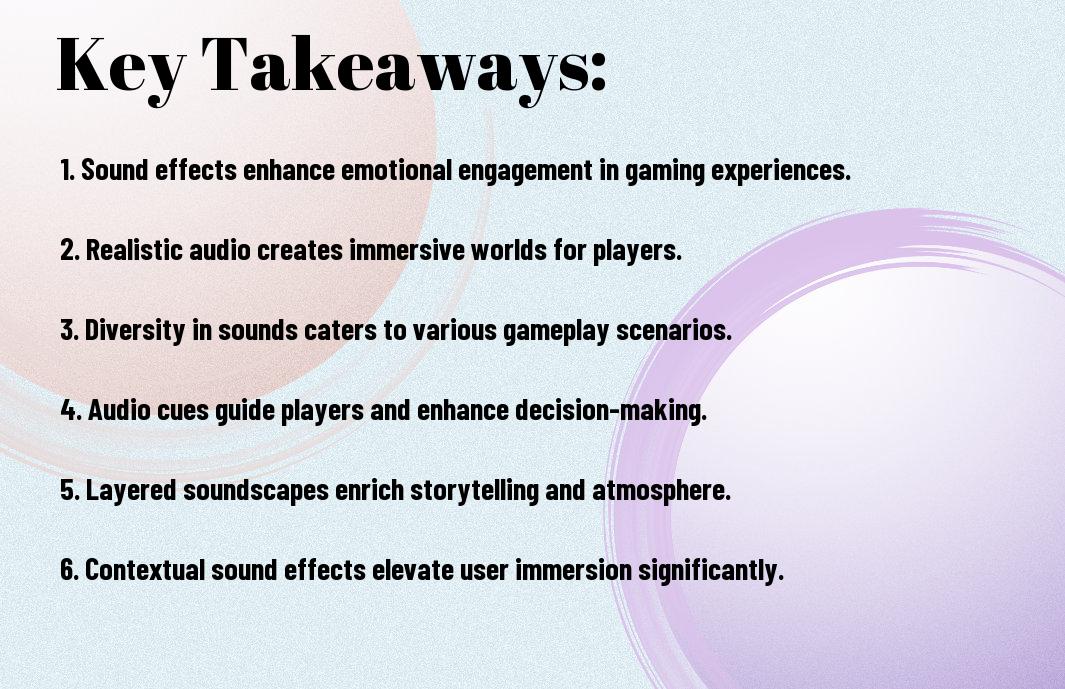
Key Takeaways:

  • Immersive sound effects in games can significantly enhance player engagement and emotional connection to the game world, making the experience more realistic and interactive.
  • Well-designed sound effects can convey important information to players, such as alerting them to potential dangers or indicating the location of objects or characters.
  • The use of 3D audio techniques, such as spatial audio and audio propagation, can create a more immersive and realistic sound environment, drawing players deeper into the game.
  • A good sound effects design should be balanced with music and dialogue to create a cohesive and engaging audio experience that complements the game’s visuals and narrative.
  • Sound effects can be used to create a sense of tension or unease, making the game more thrilling and unpredictable, and keeping players on the edge of their seats.
  • The quality and variety of sound effects can greatly impact the overall gaming experience, with high-quality effects making the game feel more polished and professional.
  • Effective use of sound effects can also help to create a sense of presence and immersion, making players feel like they are an integral part of the game world, rather than just passive observers.

    Sound Design Fundamentals

    Before exploring into the world of immersive sound effects, you need to understand the basics. You can learn more about How Game Sound Design Enhances Player Experience and Immersion to improve your skills. This knowledge will help you create engaging experiences for your players.

    Audio Layers and Depth

    About the composition of your sound effects, you should consider the different layers and depth that will contribute to the overall atmosphere. You can achieve this by balancing various audio elements to create a rich and immersive environment.

    Spatial Audio Mechanics

    Spatially, you want your sound effects to transport your players to new worlds. You can use techniques like 3D audio and sound propagation to create a sense of space and distance.

    Due to the complexity of spatial audio mechanics, you will need to consider factors like sound waves, speed, and direction to create a believable and immersive experience. You can experiment with different tools and software to achieve the desired effect and take your players on a journey like no other.

    Psychological Impact of Game Audio

    While designing your game, consider the psychological impact of sound effects on your players, as it can elevate their experience, learn more about Creating an Immersive Experience with AV Integration to understand how to apply this in your game.

    Player Immersion Triggers

    Beneath the surface of your game’s audio lies a world of triggers that draw you in, making your experience more engaging and realistic, as you explore the environment and interact with its elements.

    Emotional Response Design

    Auditory elements in your game are designed to evoke emotions, influencing your mood and behavior, making the experience more immersive and memorable, as you navigate through the game’s world.

    Also, as you investigate deeper into the world of game sound effects, you’ll discover that emotional response design is a key aspect of creating an immersive experience, allowing you to connect with the game on a deeper level, and influencing your overall enjoyment of the game, making it more engaging and entertaining for you.

    Technical Implementation

    Your approach to implementing sound effects in your game will greatly impact the overall immersive experience, and it’s imperative to consider the technical aspects of sound design to achieve the desired outcome.

    Digital Audio Workstations

    For instance, you’ll need to choose a digital audio workstation that suits your needs, allowing you to edit and manipulate sound effects with precision and ease, which will enable you to create high-quality audio that enhances your game.

    Game Engine Integration

    Engine integration is a vital step in bringing your sound effects to life, and you’ll need to ensure that your audio assets are properly implemented within your game engine to create a seamless and immersive experience for your players.

    In fact, when you integrate your sound effects into the game engine, you’ll have more control over how they interact with the game world, allowing you to create a more dynamic and engaging audio environment that responds to the player’s actions and movements, making the experience even more realistic and immersive for your players.

    Environmental Sound Design

    Unlike other aspects of game sound effects, environmental sound design requires a deep understanding of the game’s world and atmosphere. You need to consider the sonic landscape of your game, from the rustling of leaves to the creaking of doors, to create an immersive experience for your players.

    Ambient Sound Creation

    Beneath the surface of your game’s environment, ambient sounds can make or break the immersion. You can create these sounds by layering different audio elements, such as background noises and sound effects, to craft a unique sonic identity for your game’s world.

    Dynamic Weather Systems

    Externally, dynamic weather systems can greatly enhance your game’s environmental sound design. You can use sound effects to simulate the sounds of rain, wind, and other weather conditions, making your game feel more realistic and engaging.

    Further, when implementing dynamic weather systems, you can take it to the next level by making the sound effects responsive to the player’s actions and the game’s environment. For example, you can make the sound of rain change depending on the type of surface it’s falling on, or make the wind sound stronger when the player is in an open area. This level of detail will make your game’s world feel more alive and interactive, drawing your players in and refusing to let go.

    Character-Based Audio

    Despite the importance of environmental sound effects, character-based audio is what truly brings your game to life. You can create a sense of immersion by tailoring sound effects to each character’s unique traits and actions.

    Footsteps and Movement

    The way your characters move and interact with their environment can be conveyed through carefully designed sound effects, allowing you to create a believable and engaging experience for your players as they navigate the game world.

    Combat and Action Sounds

    For instance, the sounds of combat and action can be designed to make your players feel like they are in the midst of a intense battle, with each punch, kick, and shot feeling visceral and realistic, drawing you into the action.

    A key aspect of combat and action sounds is the way they can be used to convey the impact and intensity of each action, allowing you to create a sense of tension and drama that keeps your players on the edge of their seats as they play through your game, with your carefully crafted sound effects making each encounter feel unique and thrilling.

    Interactive Audio Systems

    To create immersive experiences, you need to consider the role of interactive audio systems in your game. These systems allow you to respond to player actions, creating a more engaging and dynamic environment. You can use them to enhance your game’s atmosphere and draw players into the world.

    Adaptive Music Integration

    Systems like adaptive music integration enable you to adjust the soundtrack in real-time, based on the player’s actions and progress. You can use this technique to create a more personalized experience, where the music complements the gameplay and enhances the emotional impact.

    Real-time Sound Modification

    On the other hand, real-time sound modification allows you to alter sound effects in response to player interactions. You can use this technique to create a more immersive experience, where the sounds respond to the player’s actions and environment.

    But as you explore deeper into real-time sound modification, you’ll discover the vast possibilities it offers. You can modify sound effects based on various factors, such as the player’s location, actions, or equipment, creating a highly dynamic and interactive audio environment that enhances your game’s overall immersion and engagement.

    Conclusion

    Hence, as you explore into the world of game sound effects, you will discover the significant impact they have on your overall gaming experience. You will find that well-designed sound effects can transport you to new dimensions, making your interactions more engaging and realistic. By leveraging the power of sound, you can create immersive experiences that leave a lasting impression on your audience, elevating your game to a whole new level of excitement and enjoyment.

    FAQ

    Q: What role do game sound effects play in creating immersive experiences for players?

    A: Game sound effects play a vital role in creating immersive experiences for players. They have the ability to transport players to new and exciting worlds, evoke emotions, and enhance the overall gaming experience. By incorporating high-quality sound effects, game developers can create a more engaging and realistic environment that draws players in and keeps them invested in the game. From the sound of footsteps and weapon fire to the rustling of leaves and the roar of engines, sound effects can make a game feel more alive and interactive.

    Q: How can game developers use sound effects to enhance the emotional impact of their game?

    A: Game developers can use sound effects to enhance the emotional impact of their game by carefully selecting and implementing sounds that complement the game’s narrative and atmosphere. For example, a horror game might use creepy ambient noises and jump scares to create a sense of tension and fear, while a more lighthearted game might use upbeat music and humorous sound effects to create a playful atmosphere. By using sound effects in a thoughtful and intentional way, developers can create a more emotionally resonant experience that stays with players long after they finish playing.

    Q: What tools and techniques are available to game developers for creating and implementing high-quality sound effects in their games?

    A: Game developers have a wide range of tools and techniques available to them for creating and implementing high-quality sound effects in their games. These include digital audio workstations (DAWs) like Ableton Live and Pro Tools, as well as specialized sound design software like FMOD and Wwise. Developers can also use field recording techniques to capture real-world sounds and incorporate them into their game, or use online resources and sound libraries to find and download high-quality sound effects. Additionally, many game engines, such as Unity and Unreal Engine, have built-in audio tools and features that make it easy to implement and manipulate sound effects in-game.

Competitive Mobile Gaming – The Next Big Frontier

As you explore the world of gaming, you’re likely noticing a significant shift towards mobile devices. Your smartphone is no longer just for casual games, but a powerful tool for competitive gaming. With advancements in technology, mobile gaming has become a viable platform for professional players, offering a new arena for competition and innovation. You can now experience high-stakes tournaments and leagues on your mobile device, paving the way for a new generation of gamers to rise to the top.

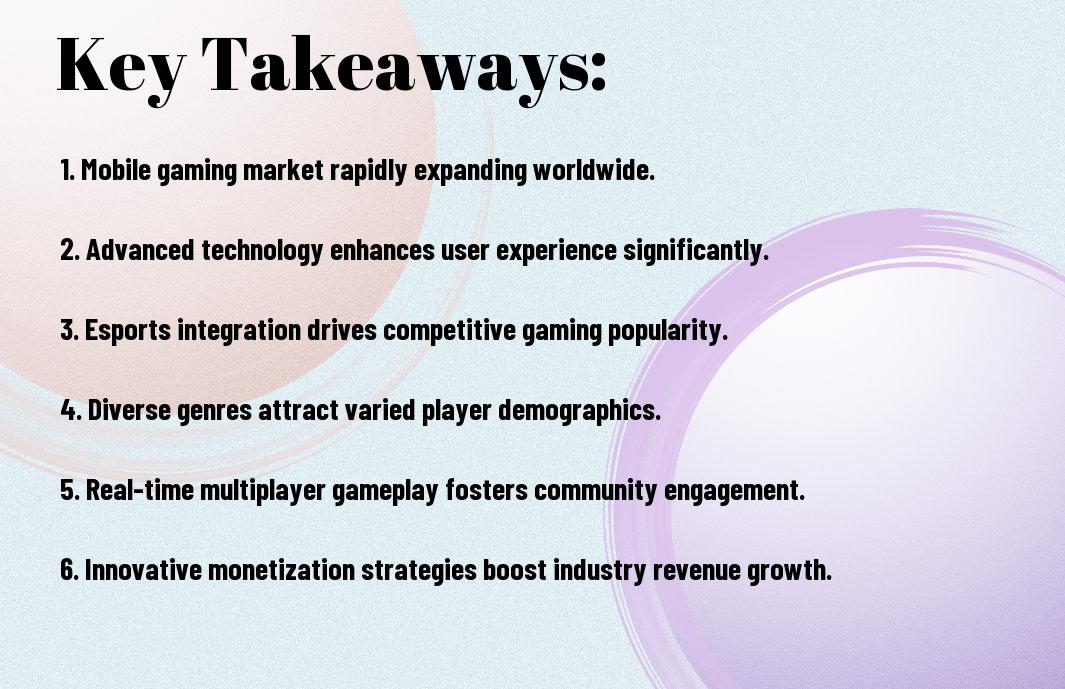
Key Takeaways:

  • Mobile gaming has become a significant sector in the gaming industry, with a large and growing user base, making it an attractive platform for competitive gaming.
  • The rise of mobile esports has led to the development of new games and genres specifically designed for competitive play, offering a fresh experience for players and spectators alike.
  • Competitive mobile gaming requires a unique set of skills, including quick reflexes, strategic thinking, and effective communication, which can be developed through practice and training.
  • The mobile gaming market offers a range of opportunities for players to compete in tournaments and leagues, with many organizations and platforms providing prizes and recognition for top performers.
  • Mobile gaming communities are known for their enthusiasm and dedication, with many players and teams building large followings and creating engaging content around their competitive endeavors.
  • The growth of competitive mobile gaming is driven by advancements in mobile technology, including improved hardware, faster networks, and more sophisticated software, which enable seamless and immersive gaming experiences.
  • The intersection of mobile gaming and esports is expected to continue growing, with new partnerships, investments, and innovations emerging as the industry evolves and matures, offering exciting possibilities for players, teams, and fans.

The Mobile Gaming Revolution

For years, you’ve witnessed the rise of mobile gaming, and now it’s transforming into a competitive scene. You’re seeing top players and teams competing in tournaments, with prizes reaching millions of dollars. As you explore this new frontier, you’ll discover a world of exciting opportunities and challenges.

From Casual to Competitive

Revitalizing the gaming industry, mobile games are shifting from casual to competitive, offering you a new level of engagement and interaction. You can now participate in competitive events, join teams, and climb the ranks, making your gaming experience more immersive and rewarding.

Market Growth and Demographics

Around the globe, you’re seeing a significant increase in mobile gaming popularity, with a growing audience and expanding market. You can tap into this trend, exploring various genres, games, and communities that suit your interests and skills.

Also, as you probe deeper into the market growth and demographics, you’ll find that mobile gaming is attracting a diverse range of players, from casual gamers to professional esports athletes. You can learn from their experiences, strategies, and techniques, helping you improve your own gaming skills and stay ahead of the competition.

Professional Mobile Esports

One of the most significant developments in the mobile gaming industry is the rise of professional mobile esports, where you can compete against the best players from around the world and showcase your skills.

Major Tournaments and Leagues

Towards the end of each season, you will notice that major tournaments and leagues are being organized, offering you a platform to participate and win exciting prizes, and as you progress, you will get to compete against tougher opponents.

Prize Pools and Sponsorships

Likewise, leagues are now offering substantial prize pools and sponsorships, allowing you to earn a significant amount of money and gain recognition as a professional mobile gamer, and as you gain more experience, you will have better chances of winning.

It is worth noting that the prize pools and sponsorships in mobile esports have increased significantly over the years, and as you consider a career in this field, you should be aware of the various opportunities available to you, including partnerships with major brands and organizations that can help you take your gaming career to the next level.

Popular Competitive Mobile Games

Despite the vast array of options, you’ll find that certain games dominate the competitive mobile gaming scene, offering engaging experiences that draw you in and keep you coming back for more.

Battle Royale Dominance

On the battlefield, games like PUBG Mobile and Fortnite Mobile have taken the lead, providing fast-paced action and strategic gameplay that challenges you to be your best.

MOBA Success Stories

About the multiplayer online battle arena (MOBA) genre, you’ll discover titles like Arena of Valor and Mobile Legends, which have garnered massive followings and offer complex gameplay that tests your skills.

Royale aside, as you examine deeper into the world of MOBA games, you’ll find that they require a great deal of strategy and teamwork, allowing you to develop your skills and climb the ranks, with many offering regular updates and new content to keep you engaged and invested in your progress.

Technical Requirements

All competitive mobile gamers understand that having the right equipment is necessary for success. You need to consider various factors to ensure your device can handle demanding games.

Device Specifications

On the surface, your device’s specifications, such as processor speed and memory, will determine your gaming experience. You should look for devices with high-performance processors and ample storage to run games smoothly.

Network Infrastructure

Requirements for a stable internet connection are necessary for competitive mobile gaming. You will need a reliable network with low latency to compete at the highest level.

And as you investigate deeper into competitive mobile gaming, you will realize that a good network infrastructure is vital for your success. You will need to invest in a high-speed internet plan with a stable connection to minimize lag and disconnections, allowing you to focus on your gameplay and climb the ranks.

Monetization Strategies

Not surprisingly, monetization is a key aspect of competitive mobile gaming, as you look to turn your passion into a profitable venture. You’ll need to consider various strategies to generate revenue, from in-game purchases to advertising and sponsorships.

In-Game Economics

Beneath the surface of competitive mobile gaming lies a complex network of in-game economies, where you can buy and sell virtual items, and you’ll need to understand how these systems work to maximize your earnings.

Streaming and Content Creation

Concurrently, creation of engaging content is crucial for building a loyal audience, and you can leverage platforms like YouTube and Twitch to showcase your skills and attract fans.

Also, as you investigate deeper into streaming and content creation, you’ll discover that building a personal brand is vital to your success, and you’ll need to develop a unique style and voice to stand out from the crowd, and you can use your personality and expertise to create content that resonates with your audience and drives revenue through subscriptions, donations, and sponsorships.

Regional Impact

Your exploration of competitive mobile gaming’s regional impact will lead you to discover new trends, as you can learn more about Gaming’s New Frontier: How Esports is Revolutionizing Entertainment and its effects on your understanding of the industry.

Asian Market Leadership

Against the backdrop of established gaming markets, you’ll find that Asian countries are at the forefront of competitive mobile gaming, with a large and dedicated player base.

Western Market Adaptation

Market trends indicate that Western countries are adapting to the rise of competitive mobile gaming, with many organizations investing in mobile esports initiatives to cater to your growing interest.

A closer look at Western market adaptation reveals that you can expect significant growth in the coming years, as more gamers like you turn to mobile devices for competitive gaming experiences, driving innovation and investment in the industry to meet your demands.

To wrap up

To wrap up, you now have a better understanding of the rapidly evolving landscape of competitive mobile gaming. As you explore your options, you can check out discussions like Genuinely good mobile games in 2024? : r/AndroidGaming to stay updated on the latest trends and your favorite games, shaping your journey in this exciting frontier.

FAQ

Q: What is Competitive Mobile Gaming and how is it changing the gaming landscape?

A: Competitive Mobile Gaming refers to the growing trend of professional and organized gaming competitions on mobile devices. With the advancements in mobile technology and the increasing popularity of mobile games, competitive mobile gaming has become a significant sector in the gaming industry. It provides a platform for gamers to compete against each other, showcasing their skills and strategies, and has opened up new opportunities for esports, sponsorships, and community building. As a result, it is changing the gaming landscape by making gaming more accessible, creating new revenue streams, and fostering a sense of community among gamers.

Q: What are the most popular mobile games for competitive gaming and what makes them suitable for this type of play?

A: Some of the most popular mobile games for competitive gaming include multiplayer online battle arena (MOBA) games like Mobile Legends and Arena of Valor, battle royale games like PUBG Mobile and Fortnite Mobile, and strategy games like Clash of Clans and Clash Royale. These games are suitable for competitive gaming due to their engaging gameplay, regular updates with new content, and large player bases. They often feature ranked matches, tournaments, and esports events, which encourage competition and provide a platform for players to showcase their skills. Additionally, these games typically have simple yet deep mechanics, making them easy to learn but challenging to master, which is ideal for competitive play.

Q: How can I get involved in competitive mobile gaming, and what skills or equipment do I need to succeed in this field?

A: To get involved in competitive mobile gaming, you can start by choosing a game you enjoy playing and are skilled at, and then look for online communities, forums, or social media groups dedicated to that game. Many games also have built-in features like ranked matches, tournaments, or clan systems that can help you connect with other competitive players. In terms of skills, you will need to develop strong gameplay skills, including strategy, quick reflexes, and good decision-making. You will also need a decent mobile device with a good processor, ample storage, and a high-quality display. Additionally, skills like communication, teamwork, and adaptability are necessary for success in competitive mobile gaming, especially in team-based games. As you progress, you may also want to invest in gaming accessories like controllers or gaming phones to enhance your performance.

Gamification in Everyday Life – Lessons from Video Game Design

You likely encounter gamification daily, even if you don’t notice it. As you go about your daily routine, you’re often engaging with systems designed to motivate and encourage specific behaviors. By applying lessons from video game design, you can harness the power of gamification to enhance your productivity, engagement, and overall experience in various aspects of your life, from work to personal development, and your daily activities will become more enjoyable and rewarding as a result.

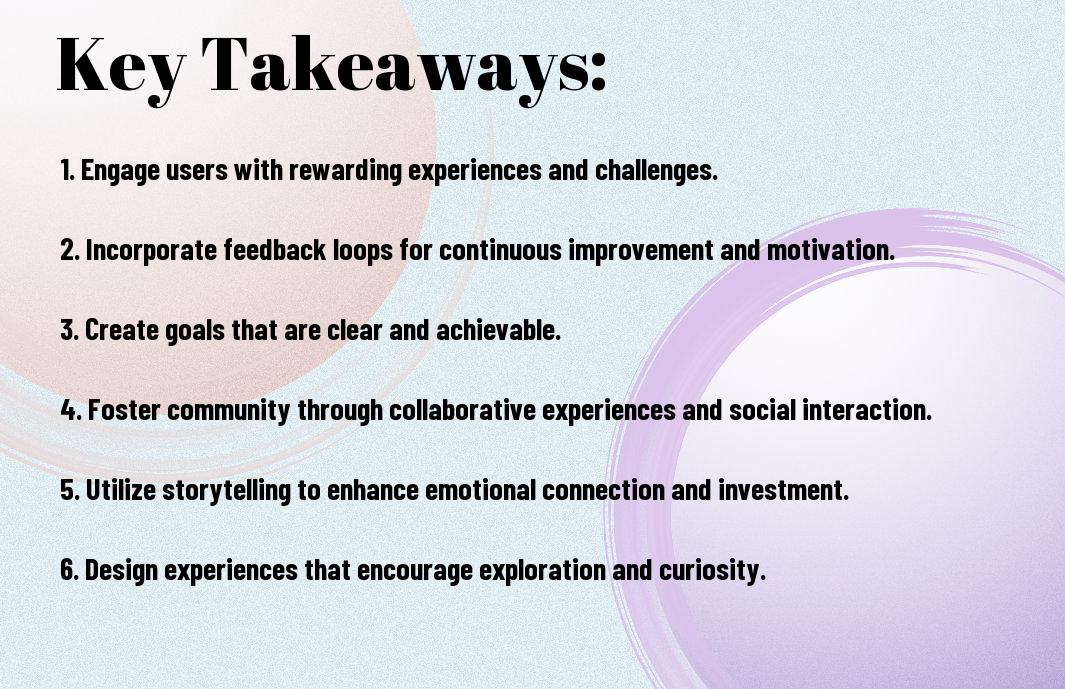
Key Takeaways:

  • Gamification can be applied to various aspects of everyday life, such as education, health, and productivity, to increase engagement and motivation by using elements like rewards, challenges, and feedback.
  • Video game design principles can be used to create immersive and interactive experiences that encourage people to adopt desired behaviors and habits, leading to positive changes in their lives.
  • Game mechanics like points, badges, and leaderboards can be used to track progress, provide a sense of accomplishment, and foster competition, which can be effective in motivating individuals to achieve their goals.
  • Emotional engagement is a key aspect of gamification, as it helps to create a connection between the individual and the activity, making it more enjoyable and increasing the likelihood of continued participation.
  • Feedback is important in gamification, as it provides individuals with information about their progress, helping them to adjust their behavior and make improvements, and can be used to encourage and motivate them to continue.
  • Gamification can be used to promote social interaction and collaboration, as many games and activities are designed to be played with others, fostering a sense of community and teamwork, and encouraging individuals to work together to achieve common goals.
  • By incorporating elements of game design into everyday life, individuals can develop a more playful and experimental approach to challenges, leading to increased creativity, resilience, and overall well-being.

Core Game Design Elements

A key aspect of gamification is understanding the core elements that make games engaging, and how you can apply these to your everyday life, enhancing your experiences and motivating you to achieve your goals.

Reward Systems and Motivation

Rewarding yourself for achieving milestones can be a powerful motivator, as you experience a sense of accomplishment and satisfaction, driving you to continue striving for more.

Progress Tracking and Feedback Loops

Gaming principles teach you that tracking your progress and receiving feedback are important, allowing you to adjust your strategy and make informed decisions to improve your performance.

Progress in your personal and professional life can be significantly enhanced by implementing effective tracking and feedback systems, enabling you to identify areas of improvement and make data-driven decisions to optimize your outcomes, helping you to stay focused and motivated on your goals.

Psychology of Engagement

If you’re looking to apply gamification to your everyday life, understanding the psychology behind engagement is key. You’ll need to consider what motivates you and how to design experiences that keep you invested.

Dopamine and Achievement

Among the most significant drivers of engagement is the release of dopamine, which occurs when you achieve something. You’ll find that setting and achieving goals gives you a sense of satisfaction, driving you to continue striving for more.

Social Connection Through Challenges

Achieving success alongside others can be a powerful motivator, as you’ll find that shared challenges foster a sense of community and cooperation. You’ll be more likely to engage with activities when you’re working together with others towards a common goal.

In addition to the sense of community, social connection through challenges also provides you with a support system, allowing you to learn from others and gain new insights. You’ll find that your engagement and motivation increase when you’re able to share your experiences and progress with others, and you’ll be more likely to stay committed to your goals as a result.

Daily Activities as Game Mechanics

Once again, you can apply game design principles to your daily life by turning activities into game mechanics. You can learn more about this concept on How to Design Games for Self-Improvement? : r/gamedesign, and discover new ways to make your daily routine more engaging.

Personal Development Quests

The idea of personal development quests is to set achievable goals for yourself, similar to those found in video games, and work towards completing them to earn rewards and a sense of accomplishment.

Lifestyle Achievement Systems

Around your daily life, you can create a system of achievements that motivate you to adopt healthy habits and productive behaviors, making your life more fulfilling and enjoyable.

Achieving milestones in your lifestyle can be very satisfying, and by using game design elements, you can create a system that tracks your progress, provides feedback, and encourages you to continue improving your habits and behaviors, helping you to reach your full potential and make positive changes in your life.

Workplace Gamification

After implementing gamification in your workplace, you can expect to see increased engagement and productivity among your employees. By incorporating elements of game design, you can create a more motivating and enjoyable work environment, leading to better overall performance.

Team Collaboration Mechanics

Cooperating with your team members is necessary in a gamified workplace, as it fosters a sense of community and friendly competition. You can design challenges and rewards that encourage collaboration, helping your team work together more effectively towards common goals.

Performance Scoring Methods

With the right scoring system, you can track and measure your employees’ progress, providing valuable insights into their strengths and weaknesses. You can use metrics such as points, badges, or leaderboards to evaluate performance and provide feedback.

Further, you can refine your performance scoring methods by setting clear objectives and key performance indicators (KPIs), allowing you to assess your employees’ achievements and adjust your gamification strategy accordingly, helping you to optimize your workplace gamification approach and achieve your desired outcomes.

Educational Applications

Not surprisingly, educational institutions are adopting gamification to enhance your learning experience. By incorporating game design elements, you can engage more deeply with course materials and develop a stronger understanding of complex concepts.

Learning Through Level Design

Akin to navigating a virtual world, you progress through levels of increasing difficulty, mastering new skills and knowledge as you advance, with each level building on previous accomplishments.

Skill Tree Development

Above all, skill trees allow you to visualize your progress and plan your educational journey, making informed decisions about which skills to develop and in what order, enabling you to tailor your learning to your interests and goals.

In addition, as you develop your skills and knowledge, you can unlock new branches of the skill tree, revealing new areas of study and deeper levels of understanding, allowing you to explore and discover new concepts and ideas in a logical and structured way, helping you to achieve your full potential and make the most of your educational experience.

Health and Wellness Gaming

Many video games incorporate elements that promote physical and mental well-being, and you can apply these principles to your daily life. By using game design elements, you can make your health and wellness routine more engaging and fun.

Fitness Achievement Systems

For instance, you can create a fitness achievement system, where you set goals and challenges for yourself, and reward your progress, helping you stay motivated and track your improvement.

Mental Health Challenges

Beneath the surface of everyday life, you face various mental health challenges, and gamification can help you overcome them by providing a framework for stress management and emotional regulation, allowing you to develop healthy habits and coping mechanisms.

Wellness is a vital aspect of your life, and by applying game design principles to mental health challenges, you can develop a more positive and resilient mindset, enabling you to better handle difficult situations and improve your overall well-being, as you progress and achieve your goals, you will become more confident in your ability to manage your mental health.

Conclusion

With this in mind, you can apply gamification principles to enhance your daily life. You can learn from video game design to make your routines more engaging. For inspiration, check out How I Use Gamification To Bring Enjoyment Back to Life to discover new ways to boost your motivation and enjoyment in your everyday activities, making your life more exciting and rewarding.

FAQ

Q: What is gamification and how can it be applied to everyday life?

A: Gamification is the process of incorporating game design elements and mechanics into non-game contexts, such as education, work, or daily activities, to increase engagement, motivation, and fun. By applying gamification principles, individuals can make mundane tasks more enjoyable and rewarding, leading to improved productivity and overall well-being. For instance, using rewards, challenges, and leaderboards can encourage people to adopt healthy habits, such as regular exercise or reading, by making them more engaging and competitive.

Q: How can video game design inform the development of gamification strategies in everyday life?

A: Video game design offers valuable lessons for gamification in everyday life, as games are designed to be engaging, immersive, and rewarding. By analyzing game mechanics, such as leveling up, badges, and social sharing, individuals can create effective gamification strategies that motivate and encourage people to achieve their goals. For example, a fitness app can use a leveling system to track progress, with users earning badges and rewards for reaching milestones, much like in a video game. This approach can help increase user engagement and encourage people to develop healthy habits.

Q: What are some potential benefits and challenges of implementing gamification in everyday life, and how can they be addressed?

A: The benefits of gamification in everyday life include increased motivation, improved engagement, and enhanced overall well-being. However, challenges may arise, such as the potential for over-competition, decreased intrinsic motivation, or an overemphasis on rewards rather than the activity itself. To address these challenges, it’s imperative to design gamification strategies that balance competition and cooperation, focus on meaningful rewards and feedback, and prioritize the enjoyment and value of the activity. By doing so, individuals can harness the power of gamification to create a more engaging, motivating, and rewarding experience in their daily lives.

HT-fff Skip to content