You likely encounter gamification daily, even if you don’t notice it. As you go about your daily routine, you’re often engaging with systems designed to motivate and encourage specific behaviors. By applying lessons from video game design, you can harness the power of gamification to enhance your productivity, engagement, and overall experience in various aspects of your life, from work to personal development, and your daily activities will become more enjoyable and rewarding as a result.
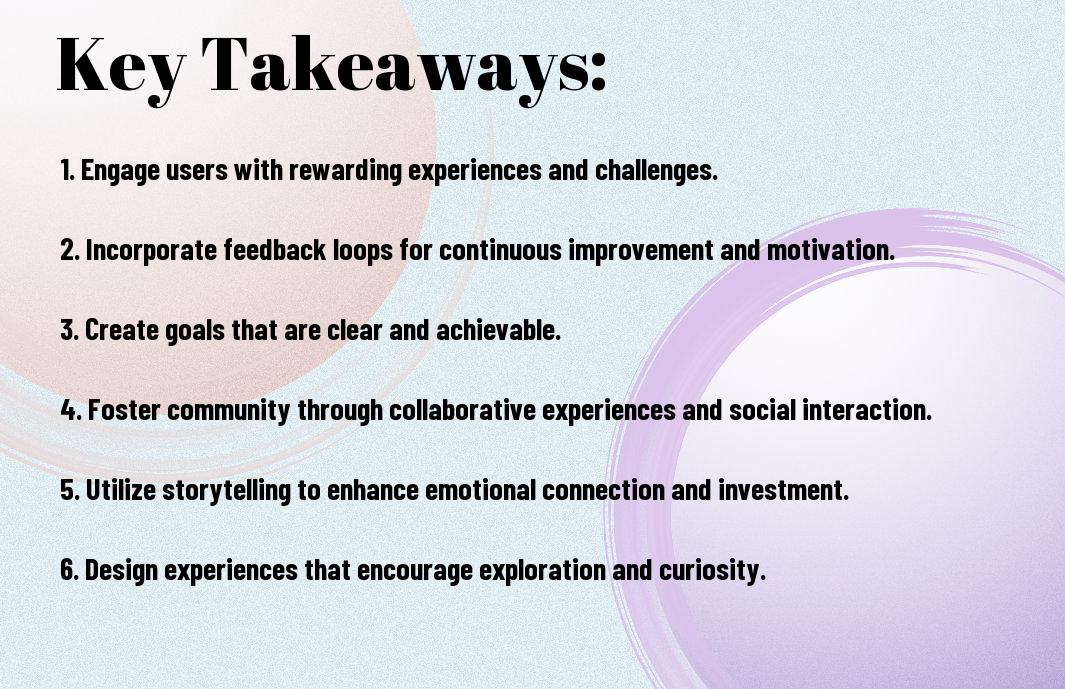
Key Takeaways:
- Gamification can be applied to various aspects of everyday life, such as education, health, and productivity, to increase engagement and motivation by using elements like rewards, challenges, and feedback.
- Video game design principles can be used to create immersive and interactive experiences that encourage people to adopt desired behaviors and habits, leading to positive changes in their lives.
- Game mechanics like points, badges, and leaderboards can be used to track progress, provide a sense of accomplishment, and foster competition, which can be effective in motivating individuals to achieve their goals.
- Emotional engagement is a key aspect of gamification, as it helps to create a connection between the individual and the activity, making it more enjoyable and increasing the likelihood of continued participation.
- Feedback is important in gamification, as it provides individuals with information about their progress, helping them to adjust their behavior and make improvements, and can be used to encourage and motivate them to continue.
- Gamification can be used to promote social interaction and collaboration, as many games and activities are designed to be played with others, fostering a sense of community and teamwork, and encouraging individuals to work together to achieve common goals.
- By incorporating elements of game design into everyday life, individuals can develop a more playful and experimental approach to challenges, leading to increased creativity, resilience, and overall well-being.
Core Game Design Elements
A key aspect of gamification is understanding the core elements that make games engaging, and how you can apply these to your everyday life, enhancing your experiences and motivating you to achieve your goals.
Reward Systems and Motivation
Rewarding yourself for achieving milestones can be a powerful motivator, as you experience a sense of accomplishment and satisfaction, driving you to continue striving for more.
Progress Tracking and Feedback Loops
Gaming principles teach you that tracking your progress and receiving feedback are important, allowing you to adjust your strategy and make informed decisions to improve your performance.
Progress in your personal and professional life can be significantly enhanced by implementing effective tracking and feedback systems, enabling you to identify areas of improvement and make data-driven decisions to optimize your outcomes, helping you to stay focused and motivated on your goals.

Psychology of Engagement
If you’re looking to apply gamification to your everyday life, understanding the psychology behind engagement is key. You’ll need to consider what motivates you and how to design experiences that keep you invested.
Dopamine and Achievement
Among the most significant drivers of engagement is the release of dopamine, which occurs when you achieve something. You’ll find that setting and achieving goals gives you a sense of satisfaction, driving you to continue striving for more.
Social Connection Through Challenges
Achieving success alongside others can be a powerful motivator, as you’ll find that shared challenges foster a sense of community and cooperation. You’ll be more likely to engage with activities when you’re working together with others towards a common goal.
In addition to the sense of community, social connection through challenges also provides you with a support system, allowing you to learn from others and gain new insights. You’ll find that your engagement and motivation increase when you’re able to share your experiences and progress with others, and you’ll be more likely to stay committed to your goals as a result.
Daily Activities as Game Mechanics
Once again, you can apply game design principles to your daily life by turning activities into game mechanics. You can learn more about this concept on How to Design Games for Self-Improvement? : r/gamedesign, and discover new ways to make your daily routine more engaging.
Personal Development Quests
The idea of personal development quests is to set achievable goals for yourself, similar to those found in video games, and work towards completing them to earn rewards and a sense of accomplishment.
Lifestyle Achievement Systems
Around your daily life, you can create a system of achievements that motivate you to adopt healthy habits and productive behaviors, making your life more fulfilling and enjoyable.
Achieving milestones in your lifestyle can be very satisfying, and by using game design elements, you can create a system that tracks your progress, provides feedback, and encourages you to continue improving your habits and behaviors, helping you to reach your full potential and make positive changes in your life.
Workplace Gamification
After implementing gamification in your workplace, you can expect to see increased engagement and productivity among your employees. By incorporating elements of game design, you can create a more motivating and enjoyable work environment, leading to better overall performance.
Team Collaboration Mechanics
Cooperating with your team members is necessary in a gamified workplace, as it fosters a sense of community and friendly competition. You can design challenges and rewards that encourage collaboration, helping your team work together more effectively towards common goals.
Performance Scoring Methods
With the right scoring system, you can track and measure your employees’ progress, providing valuable insights into their strengths and weaknesses. You can use metrics such as points, badges, or leaderboards to evaluate performance and provide feedback.
Further, you can refine your performance scoring methods by setting clear objectives and key performance indicators (KPIs), allowing you to assess your employees’ achievements and adjust your gamification strategy accordingly, helping you to optimize your workplace gamification approach and achieve your desired outcomes.
Educational Applications
Not surprisingly, educational institutions are adopting gamification to enhance your learning experience. By incorporating game design elements, you can engage more deeply with course materials and develop a stronger understanding of complex concepts.
Learning Through Level Design
Akin to navigating a virtual world, you progress through levels of increasing difficulty, mastering new skills and knowledge as you advance, with each level building on previous accomplishments.
Skill Tree Development
Above all, skill trees allow you to visualize your progress and plan your educational journey, making informed decisions about which skills to develop and in what order, enabling you to tailor your learning to your interests and goals.
In addition, as you develop your skills and knowledge, you can unlock new branches of the skill tree, revealing new areas of study and deeper levels of understanding, allowing you to explore and discover new concepts and ideas in a logical and structured way, helping you to achieve your full potential and make the most of your educational experience.
Health and Wellness Gaming
Many video games incorporate elements that promote physical and mental well-being, and you can apply these principles to your daily life. By using game design elements, you can make your health and wellness routine more engaging and fun.
Fitness Achievement Systems
For instance, you can create a fitness achievement system, where you set goals and challenges for yourself, and reward your progress, helping you stay motivated and track your improvement.
Mental Health Challenges
Beneath the surface of everyday life, you face various mental health challenges, and gamification can help you overcome them by providing a framework for stress management and emotional regulation, allowing you to develop healthy habits and coping mechanisms.
Wellness is a vital aspect of your life, and by applying game design principles to mental health challenges, you can develop a more positive and resilient mindset, enabling you to better handle difficult situations and improve your overall well-being, as you progress and achieve your goals, you will become more confident in your ability to manage your mental health.
Conclusion
With this in mind, you can apply gamification principles to enhance your daily life. You can learn from video game design to make your routines more engaging. For inspiration, check out How I Use Gamification To Bring Enjoyment Back to Life to discover new ways to boost your motivation and enjoyment in your everyday activities, making your life more exciting and rewarding.
FAQ
Q: What is gamification and how can it be applied to everyday life?
A: Gamification is the process of incorporating game design elements and mechanics into non-game contexts, such as education, work, or daily activities, to increase engagement, motivation, and fun. By applying gamification principles, individuals can make mundane tasks more enjoyable and rewarding, leading to improved productivity and overall well-being. For instance, using rewards, challenges, and leaderboards can encourage people to adopt healthy habits, such as regular exercise or reading, by making them more engaging and competitive.
Q: How can video game design inform the development of gamification strategies in everyday life?
A: Video game design offers valuable lessons for gamification in everyday life, as games are designed to be engaging, immersive, and rewarding. By analyzing game mechanics, such as leveling up, badges, and social sharing, individuals can create effective gamification strategies that motivate and encourage people to achieve their goals. For example, a fitness app can use a leveling system to track progress, with users earning badges and rewards for reaching milestones, much like in a video game. This approach can help increase user engagement and encourage people to develop healthy habits.
Q: What are some potential benefits and challenges of implementing gamification in everyday life, and how can they be addressed?
A: The benefits of gamification in everyday life include increased motivation, improved engagement, and enhanced overall well-being. However, challenges may arise, such as the potential for over-competition, decreased intrinsic motivation, or an overemphasis on rewards rather than the activity itself. To address these challenges, it’s imperative to design gamification strategies that balance competition and cooperation, focus on meaningful rewards and feedback, and prioritize the enjoyment and value of the activity. By doing so, individuals can harness the power of gamification to create a more engaging, motivating, and rewarding experience in their daily lives.