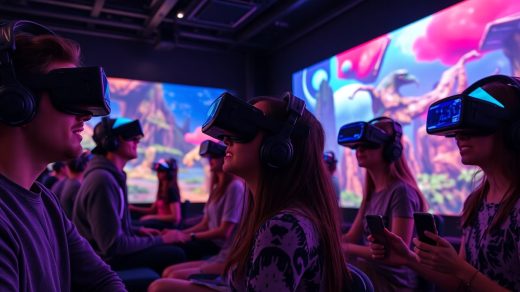
As you engage in your favorite games, have you ever wondered what drives your passion for gaming? You invest hours in virtual worlds, overcoming challenges and achieving victories. Your motivations may seem simple, but they are rooted in complex psychological factors. You are drawn to gaming for various reasons, including social interaction, stress relief, and a sense of accomplishment. Understanding these motivations can help you appreciate your gaming experience and gain insight into your own behavior.
Key Takeaways:
- The psychology of gaming reveals that players are motivated by a combination of factors, including the desire for social interaction, the need for challenge and achievement, and the thrill of exploration and discovery, which can activate the brain’s reward system and release feel-good chemicals such as dopamine.
- Gaming can have a significant impact on our emotional state, with different types of games eliciting different emotional responses, such as excitement, relaxation, or frustration, and players often use games as a way to manage stress, anxiety, or other negative emotions.
- The psychology of gaming also explores the concept of flow, a state of complete absorption and engagement in the game, which can lead to increased focus, concentration, and enjoyment, and can even have benefits for cognitive development, problem-solving skills, and overall well-being.
The Motivational Drive Behind Gaming
Your motivation to play games stems from a combination of factors, including the desire for achievement, social connection, and personal growth, driving you to engage in gaming activities that satisfy your psychological needs.
Achievement and Mastery
To understand what drives your gaming behavior, consider the sense of accomplishment you feel when overcoming challenges and mastering new skills, which motivates you to continue playing and improving.
Social Connection and Community
Among the various reasons you play games, social interaction plays a significant role, as you seek to connect with others, form communities, and share experiences that enhance your gaming enjoyment.
Behind the social aspect of gaming lies a complex psychology, where you form bonds with fellow players, develop a sense of belonging, and collaborate to achieve common goals, which can lead to lasting friendships and a deeper engagement with the game itself.
Gaming Flow States
Assuming you’ve experienced the thrill of being completely absorbed in a game, you know the feeling of being in a flow state. This mental state is characterized by heightened focus, concentration, and enjoyment, making the experience even more engaging and rewarding for you.
Immersion and Engagement
Above all, your immersion in a game is what drives your engagement, as you become fully invested in the virtual world and its challenges, leading to a deeper sense of satisfaction and enjoyment.
Time Perception and Focus
Behind the scenes, your brain is able to focus intensely on the game, shutting out distractions and altering your perception of time, allowing you to play for hours without noticing the passage of time.
This phenomenon is closely related to your brain’s ability to enter a state of heightened concentration, where you’re fully engaged and immersed in the game, leading to a loss of self-awareness and a distorted sense of time, making the experience even more enjoyable and addictive for you.
Reward Systems in Gaming
Not surprisingly, reward systems play a significant role in your gaming experience, motivating you to continue playing and engaging with the game. They can be in the form of points, badges, or rewards, and are designed to activate your brain’s reward system.
Dopamine Release and Pleasure
Contrary to what you might think, the pleasure you derive from gaming is closely linked to dopamine release in your brain, which is associated with pleasure and reward. As you achieve milestones or complete challenges, your brain releases dopamine, making you feel good and encouraging you to continue playing.
Variable Reward Schedules
Similarly, dopamine-driven reward systems can be seen in variable reward schedules, where you receive rewards at unpredictable intervals, keeping you engaged and motivated to continue playing. This type of schedule can lead to a strong psychological response, making you more likely to continue playing in anticipation of the next reward.
Gaming companies often use variable reward schedules to keep you hooked, as the unpredictability of rewards can create a strong psychological response, making you more invested in the game. As you play, you start to anticipate the rewards, and your brain becomes conditioned to associate the game with pleasure, making you more likely to continue playing to experience the feeling of satisfaction and pleasure that comes with achieving milestones or receiving rewards.

Gaming as Emotional Regulation
To understand the psychology behind your gaming habits, it’s imperative to explore the concept of emotional regulation, which is closely linked to The Psychology of Video Games: Current Research on Emotional Experience. As you research into this topic, you’ll discover how gaming affects your emotional well-being.
Stress Relief and Escapism
Besides providing entertainment, games offer a healthy escape from daily stress, allowing you to temporarily forget about your worries and immerse yourself in a virtual world, which can be beneficial for your mental health.
Mood Management
Below the surface of gaming lies a complex emotional landscape, where you can experience a range of emotions, from excitement and joy to frustration and sadness, all of which can influence your mood and overall emotional state.
The way you manage your mood through gaming is unique to you, and as you play, you may find that certain games or genres help you to relax, focus, or energize, allowing you to take control of your emotional experience and cultivate a positive mindset, which can have a lasting impact on your daily life and well-being.
The Social Psychology of Gaming
Now, as you investigate into the world of gaming, you’ll notice that social interactions play a significant role in your experience. You’ll encounter various aspects that influence your behavior, including online identity formation and virtual communities, which shape your perception of yourself and others in the gaming world.
Online Identity Formation
Above all, your online persona is a reflection of your personality, and as you create your avatar, you’re expressing yourself in a unique way, showcasing your creativity and individuality to others in the gaming community.
Virtual Communities
By participating in online gaming communities, you become part of a larger group, sharing experiences and collaborating with others who share similar interests, fostering a sense of belonging and social connection.
Another aspect of virtual communities is the ability to interact with people from diverse backgrounds, allowing you to learn from their perspectives and experiences, and broadening your understanding of different cultures and ways of thinking, which can have a positive impact on your social skills and emotional intelligence.
Developmental Benefits
Despite the common misconception, gaming has several benefits for your development. You can learn more about the impact of gaming on your behavior by visiting Are Video Games Good or Bad For Players? to understand the psychology behind it.
Problem-Solving Skills
Along with improving your hand-eye coordination, gaming enhances your problem-solving skills, allowing you to think critically and make informed decisions in your daily life, helping you to navigate complex situations.
Cognitive Enhancement
With regular gaming, you can experience significant cognitive enhancement, including improved memory, attention, and spatial awareness, all of which can benefit your academic and professional pursuits.
Further, cognitive enhancement through gaming can also lead to better decision-making skills, as you learn to analyze situations, weigh options, and choose the best course of action, ultimately enhancing your overall cognitive abilities and benefiting your personal and professional life.
Conclusion
Taking this into account, you now understand the psychology behind your gaming habits. You can apply this knowledge to enhance your experience. To explore deeper, visit Jane McGonigal: The Psychology of Gaming and How It Can Improve Your Life to learn more about the benefits of gaming and its impact on your well-being, allowing you to make informed decisions about your gaming activities and their effects on your life.
FAQ
Q: What is the psychology behind why people play video games?
A: The psychology behind why people play video games is complex and multifaceted. Research suggests that people play video games for a variety of reasons, including to escape from stress and anxiety, to socialize with others, to experience a sense of accomplishment and achievement, and to explore virtual worlds and environments. Additionally, video games can activate the brain’s reward system, releasing feel-good chemicals such as dopamine, which can motivate players to continue playing.
Q: How do video games affect our mental health and wellbeing?
A: The impact of video games on mental health and wellbeing is a topic of ongoing debate. While some studies suggest that excessive video game playing can lead to negative effects such as addiction, social isolation, and decreased physical activity, other research suggests that video games can have positive effects, such as reducing stress and anxiety, improving cognitive function, and enhancing social connections. A balanced and healthy approach to video game playing is key to minimizing potential negative effects and maximizing potential benefits.
Q: What role does motivation play in the psychology of gaming?
A: Motivation plays a significant role in the psychology of gaming, as it drives players to engage with and continue playing video games. There are several types of motivation, including intrinsic motivation (e.g., playing for enjoyment or personal satisfaction) and extrinsic motivation (e.g., playing for rewards or social recognition). Understanding what motivates players can help game designers create more engaging and effective games, and can also help players to develop a healthier and more positive relationship with video games.
Q: Can video games be used as a tool for learning and personal development?
A: Yes, video games can be a powerful tool for learning and personal development. Many video games, particularly those that are designed with educational or therapeutic goals in mind, can help players develop important skills such as problem-solving, critical thinking, and decision-making. Additionally, video games can provide a safe and supportive environment for players to practice and develop social skills, such as communication, teamwork, and empathy. By leveraging the engaging and interactive nature of video games, players can learn and develop new skills in a fun and enjoyable way.
Q: How does the social aspect of gaming influence our behavior and experiences?
A: The social aspect of gaming can have a significant influence on our behavior and experiences. Multiplayer games, in particular, can provide opportunities for social interaction, collaboration, and community-building. Players can form social bonds and connections with others, share experiences and tips, and develop a sense of belonging and identity. Additionally, the social aspect of gaming can also influence our behavior, such as through the use of social norms, peer pressure, and reputation systems. By understanding the social dynamics of gaming, we can better appreciate the complex and multifaceted nature of the gaming experience.