Gaming

Twitch and Beyond – The Impact of Streaming on Gaming Culture

As you probe into the world of gaming, you’re likely aware of the significant role streaming plays in shaping your experience. Your favorite games, communities, and influencers are all interconnected through platforms like Twitch, which has revolutionized the way you engage with gaming content. You may be wondering how streaming has influenced gaming culture, and what this means for your own gaming habits and the industry as a whole.
Key Takeaways:

  • Twitch has revolutionized the way people experience and interact with gaming, creating a sense of community and shared enthusiasm among viewers and streamers alike.
  • Streaming has changed the way games are marketed and consumed, with many developers and publishers using platforms like Twitch to promote their games and engage with potential customers.
  • The rise of streaming has also led to the growth of esports, with many professional gamers and teams competing in tournaments and leagues that are broadcast live on Twitch and other platforms.
  • Streaming has enabled the discovery of new games and genres, with many indie games and niche titles gaining popularity through exposure on Twitch and other streaming platforms.
  • The interactivity of streaming, including live chat and donations, has created a new level of engagement between streamers and their audiences, fostering a sense of connection and loyalty.
  • The impact of streaming on gaming culture extends beyond the gaming community, with many streamers and gamers using their platforms to raise money for charity and promote social causes.
  • As streaming continues to evolve, it is likely to have an increasingly significant impact on the gaming industry, shaping the way games are developed, marketed, and consumed, and creating new opportunities for gamers, streamers, and developers alike.

The Rise of Streaming Platforms

The evolution of streaming has transformed your gaming experience, and you can learn more about How Twitch Changed the Way We Engage with online content. As you explore the world of streaming, you’ll find that platforms like Twitch have become an integral part of your gaming culture.

Twitch’s Emergence and Dominance

Platforms such as Twitch have paved the way for live streaming, allowing you to connect with your favorite gamers and watch live gameplay, which has become a significant part of your online experience.

Alternative Platforms and Market Evolution

Beneath the surface of Twitch’s success, you’ll find alternative platforms emerging, offering you more options for live streaming and changing the market landscape, enabling you to choose where you want to engage with your gaming community.

For instance, as you consider the alternatives to Twitch, you’ll notice that platforms like YouTube Live, Facebook Gaming, and Microsoft’s Mixer are gaining popularity, giving you more choices and allowing you to diversify your streaming experience, which can help you discover new content and communities that suit your interests.
Cultural Transformation of Gaming

Even as you explore the world of gaming, you’ll notice a significant shift in the way you interact with games and fellow players, thanks to streaming platforms like Twitch.

From Solo Activity to Shared Experience

Transcending traditional gaming norms, you’re now part of a larger community that shares your passions and interests, creating a new dynamic in the gaming culture.

Community Building and Social Interaction

From the comfort of your own space, you can connect with others who share your gaming interests, fostering a sense of belonging and camaraderie that enhances your overall gaming experience.

Further, as you engage with your fellow gamers, you’ll discover that community building and social interaction are vital aspects of the streaming experience, allowing you to collaborate, learn from, and support one another in ways that were previously unimaginable, making your gaming journey even more enjoyable and rewarding.

Monetization and Professional Gaming

For you, the world of professional gaming has become a viable career path, with many gamers earning a living from their skills. As you explore this realm, you’ll find that streaming has played a significant role in shaping the industry.

Streaming as a Career Path

With the rise of platforms like Twitch, you can now turn your passion into a profession, building a community and earning money from subscriptions, donations, and ad revenue, allowing you to make a living from your gaming skills.

Sponsorships and Digital Economy

Professionally, you can leverage your online presence to attract sponsors and partners, creating a new stream of revenue and expanding your reach, as you navigate the digital economy and its many opportunities.

Due to the growth of the digital economy, you have more opportunities than ever to monetize your gaming skills, from sponsorships and merchandise sales to virtual goods and in-game items, allowing you to build a sustainable career and connect with your audience in new and innovative ways.

Content Creation Revolution

All aspects of gaming culture have been transformed by the rise of streaming, and you are now part of a vast community that shapes the industry. Your preferences and interactions influence the type of content created, making you an integral part of this revolution.

Live Entertainment Format

AFTER the introduction of live streaming, you can now engage with your favorite games in real-time, experiencing the thrill of live entertainment from the comfort of your own home. Your ability to interact with streamers and other viewers enhances the overall experience.

Gaming Influencers and Celebrity Status

CREATION of content has become a significant aspect of gaming culture, and you can now follow your favorite influencers and learn from their expertise. Your interest in their content has elevated them to celebrity status, allowing them to shape the gaming landscape.

Status as a gaming influencer comes with a significant following, and you can witness how these individuals impact the industry through their opinions and preferences. You see how they collaborate with game developers, promote new releases, and share their experiences, further solidifying their influence on your gaming choices.

Technical Evolution

Despite the rapid growth of streaming, its technical aspects have also undergone significant changes, allowing you to enjoy a seamless viewing experience.

Streaming Technology Advancements

Around the same time, advancements in streaming technology have enabled higher quality video and lower latency, making your streaming experience more engaging.

Platform Integration with Gaming

The integration of streaming platforms with gaming consoles and PCs has made it easier for you to stream your gameplay and connect with your audience.

Plus, as you explore the world of streaming, you’ll find that platform integration has also enabled features like live chat, polls, and donations, allowing you to interact with your viewers in real-time and build a loyal community around your stream.

Social Impact

Keep in mind that streaming has significantly influenced gaming culture, extending beyond entertainment to shape your social interactions and communities.

Gaming Demographics Shift

Along with the rise of streaming, you’ve likely noticed a shift in gaming demographics, as platforms like Twitch have made gaming more accessible and appealing to a broader audience.

Digital Communities Formation

Albeit slowly, you’ll find that digital communities are forming around streaming platforms, allowing you to connect with others who share your interests and passions.

Even as you engage with these digital communities, you’ll discover that they provide a sense of belonging and support, enabling you to interact with other gamers, share tips, and participate in discussions, ultimately enhancing your overall gaming experience.

To wrap up

With these considerations, you can see how Twitch has revolutionized your gaming experience. As you explore the world of streaming, you’ll find that your interactions with games and gamers have become more immersive and engaging. Your understanding of gaming culture has likely deepened, and you may have even discovered new games and communities to join. As you continue to navigate this evolving landscape, you’ll be well-equipped to appreciate the significant impact of streaming on your gaming habits and preferences.

FAQ

Q: What is the significance of Twitch in shaping gaming culture, and how has it influenced the way we experience games?

A: Twitch, a live streaming platform, has revolutionized the gaming landscape by providing a space for gamers to connect, share, and engage with each other in real-time. Its impact on gaming culture is multifaceted, from creating new forms of entertainment and community-building to influencing game development and marketing strategies. Through Twitch, gamers can watch live gameplay, interact with streamers, and participate in discussions, fostering a sense of belonging and shared passion. This has not only changed how we consume games but also how we socialize and interact with others who share similar interests.

Q: How has the rise of streaming services like Twitch impacted the gaming industry, including game development, marketing, and player engagement?

A: The rise of streaming services like Twitch has significantly impacted the gaming industry in several ways. Game developers now consider the streaming potential of their games during the development process, incorporating features that enhance the viewing experience, such as spectator modes or replay systems. Marketing strategies have also shifted, with many games being promoted through streamers and influencers, who can showcase gameplay and build hype around upcoming releases. Furthermore, streaming has changed how players engage with games, with many gamers discovering new titles and genres through streams, and the community feedback influencing post-launch support and updates.

Q: What are the potential long-term effects of streaming on gaming culture, including its impact on esports, game preservation, and the evolution of interactive entertainment?

A: The long-term effects of streaming on gaming culture are profound and varied. For esports, streaming has provided a global platform for competitive gaming, increasing its visibility and popularity. It has also raised questions about game preservation, as the focus on newer titles can lead to older games being overlooked, despite their historical and cultural significance. Moreover, streaming is pushing the boundaries of interactive entertainment, with the lines between viewer and participant becoming increasingly blurred. As technology advances, we can expect to see more immersive and interactive streaming experiences, potentially changing the nature of entertainment and community engagement in the digital age.
Cloud Gaming – Redefining Access to High-End Titles

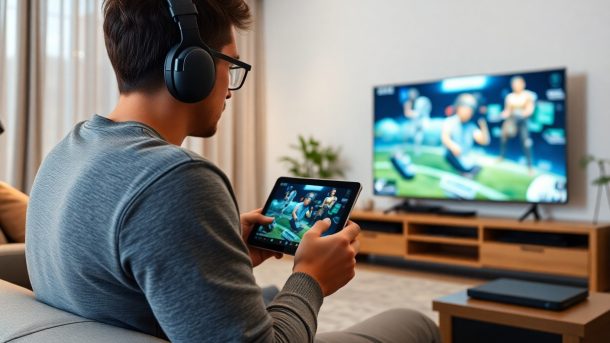
You’re about to experience a revolution in gaming with cloud gaming, which is changing the way you access high-end titles. Your gaming experience is no longer limited by your device’s hardware, as cloud gaming allows you to play high-quality games on any device with an internet connection. You can now enjoy your favorite games without the need for expensive hardware upgrades, making high-end gaming more accessible than ever.

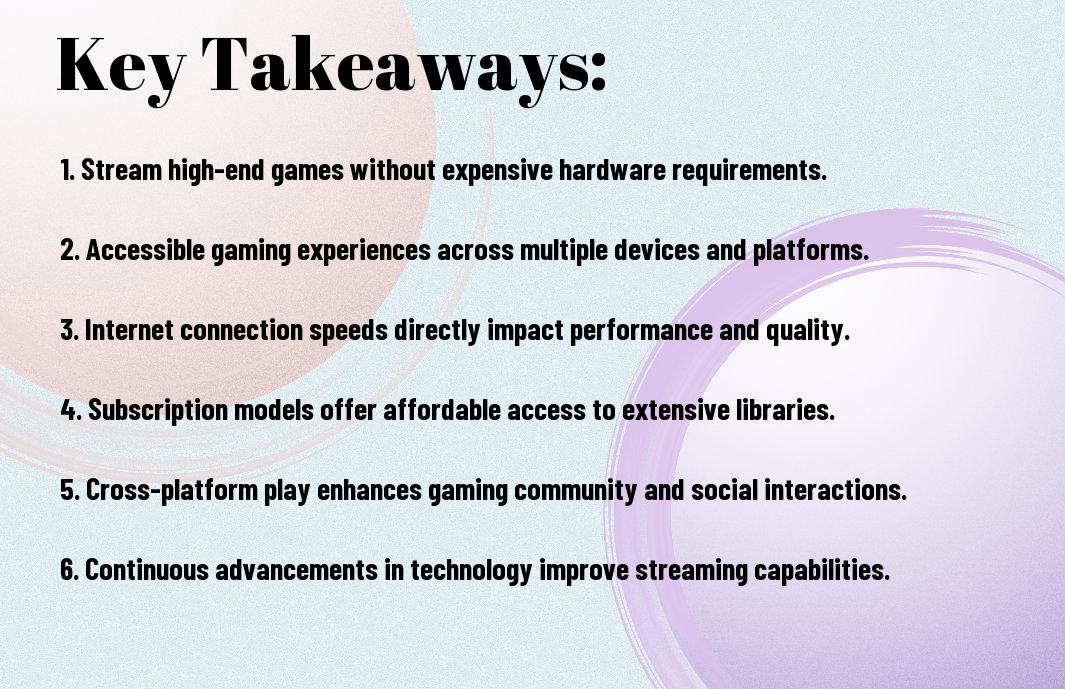
Key Takeaways:

  • Cloud gaming allows users to play high-end titles on low-spec devices, eliminating the need for expensive hardware upgrades and making gaming more accessible to a wider audience.
  • With cloud gaming, games are rendered and processed on remote servers, reducing the load on local devices and enabling seamless gameplay on various platforms, including smartphones, tablets, and smart TVs.
  • Cloud gaming services provide instant access to a vast library of games, eliminating the need for downloads, updates, and storage space, making it a convenient option for gamers.
  • The cloud gaming model also enables new revenue streams for game developers and publishers, such as subscription-based services and in-game purchases, increasing their potential earnings.
  • Cloud gaming technology has improved significantly, offering reduced latency, faster load times, and enhanced graphics quality, providing an immersive gaming experience for users.
  • Major players in the gaming industry, such as Google, Microsoft, and NVIDIA, are investing heavily in cloud gaming, indicating a shift towards a more cloud-based gaming future.
  • As cloud gaming continues to evolve, it is likely to change the way games are developed, marketed, and consumed, opening up new opportunities for innovation and growth in the gaming industry.

Evolution of Gaming Platforms

While exploring the world of cloud gaming, you’ll notice significant changes in how you access and play games. The traditional model of owning a console or high-end PC is evolving, and you’re now presented with more options than ever before.

Traditional Gaming Hardware

By examining your current gaming setup, you’ll likely notice the bulky hardware required to play high-end titles, taking up space and requiring regular upgrades to keep up with the latest games.

Shift to Cloud Infrastructure

Against the backdrop of rapid technological advancements, you’re witnessing a significant shift towards cloud-based gaming solutions, allowing you to play high-end games on any device with an internet connection.

Hardware requirements are no longer a barrier to entry, as you can now access powerful cloud infrastructure, enabling you to play demanding games without the need for expensive hardware upgrades, and you can enjoy your favorite titles on various devices, from smartphones to smart TVs, with your gaming experience being seamless and hassle-free.

Technical Framework

You can explore the technical aspects of cloud gaming by understanding its underlying infrastructure, and for more information, you can visit The rise of cloud gaming – How it is reshaping mobile gaming landscape to learn more about the technology.

Streaming Architecture

At the heart of cloud gaming lies a sophisticated streaming architecture that enables seamless gameplay, allowing you to access high-end titles on your devices without the need for expensive hardware.

Network Requirements

With the rise of cloud gaming, your network connection plays a significant role in determining the quality of your gaming experience, and you should ensure that your internet connection meets the minimum requirements for smooth gameplay.

Network requirements for cloud gaming are dependent on several factors, including the type of game, resolution, and framerate, and you will need to ensure that your network can handle the demands of high-end gaming, with fast upload and download speeds, as well as low latency, to avoid lag and disconnections during gameplay.

Market Impact

Once again, you’re witnessing a significant shift in the gaming landscape, as cloud gaming redefines access to high-end titles, making them more accessible to a broader audience, and you can expect a substantial impact on the market.

Gaming Industry Transformation

Along with the rise of cloud gaming, you’ll see the gaming industry undergo a significant transformation, as developers and publishers adapt to new business models and distribution channels, changing the way you experience games.

Consumer Behavior Changes

Across the globe, you’ll notice changes in consumer behavior, as cloud gaming enables you to play high-end games on various devices, without the need for expensive hardware, altering your gaming habits and expectations.

The way you consume games is evolving, and as a result, you’ll have more flexibility and freedom to play your favorite games anywhere, at any time, without being tied to a specific device or platform, giving you a more personalized gaming experience.

Performance Analysis

Now that you’re considering cloud gaming, you’ll want to evaluate its performance. You’ll find that cloud gaming offers seamless gameplay, with minimal lag and high frame rates, making your gaming experience enjoyable.

Latency Considerations

Around the time you start playing, you’ll notice that latency can impact your gameplay. You’ll need to ensure your internet connection is stable to minimize delays and enjoy a smooth experience.

Graphics Quality

About the visual aspects, you’ll be pleased to know that cloud gaming provides high-quality graphics, comparable to those on high-end gaming PCs. You’ll enjoy detailed textures and realistic environments, enhancing your overall gaming experience.

Graphics play a significant role in cloud gaming, and you’ll appreciate the attention to detail. You’ll notice that the graphics quality is often adjusted based on your internet connection, ensuring that you get the best possible experience. As you explore different games, you’ll find that the graphics quality can vary, but overall, you’ll be impressed with the level of detail and realism that cloud gaming offers.

Economic Model

Despite the initial investment in infrastructure, cloud gaming offers a cost-effective way for you to access high-end titles without breaking the bank. You can enjoy your favorite games without the need for expensive hardware upgrades.

Subscription Services

Around the time cloud gaming emerged, subscription services became increasingly popular, allowing you to access a vast library of games for a flat monthly fee, making it easier for you to try out new titles.

Cost Comparison

Before committing to a cloud gaming service, you’ll want to compare the costs.

Service Monthly Fee
Google Stadia $9.99
NVIDIA GeForce Now $4.99

The cost savings of cloud gaming become apparent when you consider the upfront costs of purchasing a gaming console or high-end gaming PC.

Option Cost
Gaming Console $300-$500
Gaming PC $1,000-$2,000

You can see that cloud gaming offers a more affordable option for accessing high-end games, allowing you to allocate your budget more efficiently.

Accessibility Features

After embracing cloud gaming, you’ll notice a significant shift in how you access high-end titles, with various features designed to enhance your gaming experience.

Cross-Platform Integration

Against the backdrop of traditional gaming limitations, cloud gaming offers seamless integration across different platforms, allowing you to play with your friends regardless of the device they use.

Device Compatibility

Crossing the boundaries of device specifications, cloud gaming enables you to play high-end games on your preferred device, whether it’s a smartphone, tablet, or smart TV, as long as you have a stable internet connection.

At the heart of device compatibility lies the freedom to choose your gaming device, and with cloud gaming, you can switch between devices effortlessly, picking up where you left off, without worrying about hardware upgrades or compatibility issues, making your gaming experience more flexible and enjoyable.

To wrap up

With these considerations, you can see how cloud gaming is redefining access to high-end titles, allowing you to play your favorite games on any device. You can enjoy high-quality graphics and fast performance without the need for expensive hardware. Your gaming experience is now more flexible and accessible, giving you the freedom to play anywhere, at any time, with cloud gaming’s innovative technology.

FAQ

Q: What is cloud gaming and how does it redefine access to high-end titles?

A: Cloud gaming is a revolutionary technology that allows users to play high-end video games on various devices, including low-end hardware, smartphones, and tablets, without the need for expensive gaming consoles or high-performance computers. This is made possible by hosting the games on remote servers, which process the game data and stream it to the user’s device in real-time. As a result, cloud gaming redefines access to high-end titles by making them accessible to a broader audience, regardless of their device’s specifications or budget.

Q: How does cloud gaming improve the overall gaming experience, and what benefits does it offer to gamers?

A: Cloud gaming improves the overall gaming experience by providing instant access to a vast library of high-end games, eliminating the need for lengthy downloads, updates, and installations. Additionally, cloud gaming offers a range of benefits, including reduced latency, improved graphics quality, and the ability to play games on multiple devices seamlessly. Furthermore, cloud gaming services often provide features such as game saves, multiplayer capabilities, and social sharing, which enhance the overall gaming experience and foster a sense of community among gamers.

Q: What are the potential challenges and limitations of cloud gaming, and how are they being addressed by the industry?

A: While cloud gaming offers numerous benefits, it also poses some challenges and limitations, such as internet connectivity requirements, data usage concerns, and potential server overload. To address these challenges, the industry is investing in infrastructure development, including the establishment of edge servers and content delivery networks, to reduce latency and improve overall performance. Moreover, many cloud gaming services are offering flexible pricing plans, data caps, and offline modes to cater to different user needs and preferences, ensuring a smooth and enjoyable gaming experience for all users.

Competitive Mobile Gaming – The Next Big Frontier

As you explore the world of gaming, you’re likely noticing a significant shift towards mobile devices. Your smartphone is no longer just for casual games, but a powerful tool for competitive gaming. With advancements in technology, mobile gaming has become a viable platform for professional players, offering a new arena for competition and innovation. You can now experience high-stakes tournaments and leagues on your mobile device, paving the way for a new generation of gamers to rise to the top.

Key Takeaways:

  • Mobile gaming has become a significant sector in the gaming industry, with a large and growing user base, making it an attractive platform for competitive gaming.
  • The rise of mobile esports has led to the development of new games and genres specifically designed for competitive play, offering a fresh experience for players and spectators alike.
  • Competitive mobile gaming requires a unique set of skills, including quick reflexes, strategic thinking, and effective communication, which can be developed through practice and training.
  • The mobile gaming market offers a range of opportunities for players to compete in tournaments and leagues, with many organizations and platforms providing prizes and recognition for top performers.
  • Mobile gaming communities are known for their enthusiasm and dedication, with many players and teams building large followings and creating engaging content around their competitive endeavors.
  • The growth of competitive mobile gaming is driven by advancements in mobile technology, including improved hardware, faster networks, and more sophisticated software, which enable seamless and immersive gaming experiences.
  • The intersection of mobile gaming and esports is expected to continue growing, with new partnerships, investments, and innovations emerging as the industry evolves and matures, offering exciting possibilities for players, teams, and fans.

The Mobile Gaming Revolution

For years, you’ve witnessed the rise of mobile gaming, and now it’s transforming into a competitive scene. You’re seeing top players and teams competing in tournaments, with prizes reaching millions of dollars. As you explore this new frontier, you’ll discover a world of exciting opportunities and challenges.

From Casual to Competitive

Revitalizing the gaming industry, mobile games are shifting from casual to competitive, offering you a new level of engagement and interaction. You can now participate in competitive events, join teams, and climb the ranks, making your gaming experience more immersive and rewarding.

Market Growth and Demographics

Around the globe, you’re seeing a significant increase in mobile gaming popularity, with a growing audience and expanding market. You can tap into this trend, exploring various genres, games, and communities that suit your interests and skills.

Also, as you probe deeper into the market growth and demographics, you’ll find that mobile gaming is attracting a diverse range of players, from casual gamers to professional esports athletes. You can learn from their experiences, strategies, and techniques, helping you improve your own gaming skills and stay ahead of the competition.

Professional Mobile Esports

One of the most significant developments in the mobile gaming industry is the rise of professional mobile esports, where you can compete against the best players from around the world and showcase your skills.

Major Tournaments and Leagues

Towards the end of each season, you will notice that major tournaments and leagues are being organized, offering you a platform to participate and win exciting prizes, and as you progress, you will get to compete against tougher opponents.

Prize Pools and Sponsorships

Likewise, leagues are now offering substantial prize pools and sponsorships, allowing you to earn a significant amount of money and gain recognition as a professional mobile gamer, and as you gain more experience, you will have better chances of winning.

It is worth noting that the prize pools and sponsorships in mobile esports have increased significantly over the years, and as you consider a career in this field, you should be aware of the various opportunities available to you, including partnerships with major brands and organizations that can help you take your gaming career to the next level.

Popular Competitive Mobile Games

Despite the vast array of options, you’ll find that certain games dominate the competitive mobile gaming scene, offering engaging experiences that draw you in and keep you coming back for more.

Battle Royale Dominance

On the battlefield, games like PUBG Mobile and Fortnite Mobile have taken the lead, providing fast-paced action and strategic gameplay that challenges you to be your best.

MOBA Success Stories

About the multiplayer online battle arena (MOBA) genre, you’ll discover titles like Arena of Valor and Mobile Legends, which have garnered massive followings and offer complex gameplay that tests your skills.

Royale aside, as you examine deeper into the world of MOBA games, you’ll find that they require a great deal of strategy and teamwork, allowing you to develop your skills and climb the ranks, with many offering regular updates and new content to keep you engaged and invested in your progress.

Technical Requirements

All competitive mobile gamers understand that having the right equipment is necessary for success. You need to consider various factors to ensure your device can handle demanding games.

Device Specifications

On the surface, your device’s specifications, such as processor speed and memory, will determine your gaming experience. You should look for devices with high-performance processors and ample storage to run games smoothly.

Network Infrastructure

Requirements for a stable internet connection are necessary for competitive mobile gaming. You will need a reliable network with low latency to compete at the highest level.

And as you investigate deeper into competitive mobile gaming, you will realize that a good network infrastructure is vital for your success. You will need to invest in a high-speed internet plan with a stable connection to minimize lag and disconnections, allowing you to focus on your gameplay and climb the ranks.

Monetization Strategies

Not surprisingly, monetization is a key aspect of competitive mobile gaming, as you look to turn your passion into a profitable venture. You’ll need to consider various strategies to generate revenue, from in-game purchases to advertising and sponsorships.

In-Game Economics

Beneath the surface of competitive mobile gaming lies a complex network of in-game economies, where you can buy and sell virtual items, and you’ll need to understand how these systems work to maximize your earnings.

Streaming and Content Creation

Concurrently, creation of engaging content is crucial for building a loyal audience, and you can leverage platforms like YouTube and Twitch to showcase your skills and attract fans.

Also, as you investigate deeper into streaming and content creation, you’ll discover that building a personal brand is vital to your success, and you’ll need to develop a unique style and voice to stand out from the crowd, and you can use your personality and expertise to create content that resonates with your audience and drives revenue through subscriptions, donations, and sponsorships.

Regional Impact

Your exploration of competitive mobile gaming’s regional impact will lead you to discover new trends, as you can learn more about Gaming’s New Frontier: How Esports is Revolutionizing Entertainment and its effects on your understanding of the industry.

Asian Market Leadership

Against the backdrop of established gaming markets, you’ll find that Asian countries are at the forefront of competitive mobile gaming, with a large and dedicated player base.

Western Market Adaptation

Market trends indicate that Western countries are adapting to the rise of competitive mobile gaming, with many organizations investing in mobile esports initiatives to cater to your growing interest.

A closer look at Western market adaptation reveals that you can expect significant growth in the coming years, as more gamers like you turn to mobile devices for competitive gaming experiences, driving innovation and investment in the industry to meet your demands.

To wrap up

To wrap up, you now have a better understanding of the rapidly evolving landscape of competitive mobile gaming. As you explore your options, you can check out discussions like Genuinely good mobile games in 2024? : r/AndroidGaming to stay updated on the latest trends and your favorite games, shaping your journey in this exciting frontier.

FAQ

Q: What is Competitive Mobile Gaming and how is it changing the gaming landscape?

A: Competitive Mobile Gaming refers to the growing trend of professional and organized gaming competitions on mobile devices. With the advancements in mobile technology and the increasing popularity of mobile games, competitive mobile gaming has become a significant sector in the gaming industry. It provides a platform for gamers to compete against each other, showcasing their skills and strategies, and has opened up new opportunities for esports, sponsorships, and community building. As a result, it is changing the gaming landscape by making gaming more accessible, creating new revenue streams, and fostering a sense of community among gamers.

Q: What are the most popular mobile games for competitive gaming and what makes them suitable for this type of play?

A: Some of the most popular mobile games for competitive gaming include multiplayer online battle arena (MOBA) games like Mobile Legends and Arena of Valor, battle royale games like PUBG Mobile and Fortnite Mobile, and strategy games like Clash of Clans and Clash Royale. These games are suitable for competitive gaming due to their engaging gameplay, regular updates with new content, and large player bases. They often feature ranked matches, tournaments, and esports events, which encourage competition and provide a platform for players to showcase their skills. Additionally, these games typically have simple yet deep mechanics, making them easy to learn but challenging to master, which is ideal for competitive play.

Q: How can I get involved in competitive mobile gaming, and what skills or equipment do I need to succeed in this field?

A: To get involved in competitive mobile gaming, you can start by choosing a game you enjoy playing and are skilled at, and then look for online communities, forums, or social media groups dedicated to that game. Many games also have built-in features like ranked matches, tournaments, or clan systems that can help you connect with other competitive players. In terms of skills, you will need to develop strong gameplay skills, including strategy, quick reflexes, and good decision-making. You will also need a decent mobile device with a good processor, ample storage, and a high-quality display. Additionally, skills like communication, teamwork, and adaptability are necessary for success in competitive mobile gaming, especially in team-based games. As you progress, you may also want to invest in gaming accessories like controllers or gaming phones to enhance your performance.

Gaming in a Post-Pandemic World – New Normals and Trends

As you navigate the evolving gaming landscape, you’re likely noticing significant shifts in your habits and preferences. Your gaming experiences have been influenced by the pandemic, and now you’re embracing new normals and trends. You’re witnessing the rise of cloud gaming, cross-platform play, and increased focus on community building. Your gaming routine has become more diverse, with a broader range of genres and styles to explore, and you’re eager to stay ahead of the curve in this new era of gaming.

Key Takeaways:

  • The pandemic has accelerated the growth of the gaming industry, with more people turning to gaming as a form of entertainment and socialization during lockdowns and social distancing measures.
  • Cloud gaming has become a significant trend, allowing users to play high-quality games on various devices without the need for expensive hardware, and is expected to continue growing in popularity.
  • Esports has experienced significant growth, with many professional leagues and tournaments moving online, and is likely to remain a major part of the gaming landscape in the post-pandemic world.
  • Virtual reality (VR) and augmented reality (AR) gaming have seen increased adoption, offering immersive experiences that allow players to escape into new worlds and interact with others in new ways.
  • Game developers are incorporating more social features and online multiplayer capabilities into their games, recognizing the importance of community and social interaction in the gaming experience.
  • The rise of cross-platform play has enabled gamers to play with friends across different platforms, breaking down barriers and creating a more unified gaming community.
  • The post-pandemic gaming landscape is likely to be shaped by changing consumer behaviors and technological advancements, with a focus on accessibility, convenience, and immersive experiences driving innovation and growth in the industry.

The Digital Acceleration Effect

Your gaming habits have likely undergone significant changes due to the pandemic, with a notable shift towards digital platforms and online communities.

Surge in Gaming Platform Usage

Among the most significant trends is the increased usage of gaming platforms, with many players turning to online gaming as a way to socialize and connect with others.

Behavioral Shifts in Gaming Consumption

Above all, you’ve probably noticed changes in your own gaming behavior, with a greater emphasis on convenience, accessibility, and community engagement.

In fact, as you explore the new landscape of gaming, you’ll find that your preferences and habits are evolving to incorporate more flexible and dynamic ways of playing, such as cloud gaming and cross-platform play, allowing you to access your favorite games from anywhere and at any time.

Social Gaming Evolution

While the pandemic has accelerated the growth of social gaming, you can expect this trend to continue in a post-pandemic world, with online gaming becoming an integral part of your social life.

Virtual Spaces as Social Hubs

Behind the screens, virtual spaces are transforming into social hubs where you can connect with others, fostering a sense of community and belonging in the gaming world.

Community-Driven Gaming Experiences

Experiencing the thrill of gaming with others, you’ll find that community-driven gaming experiences are becoming increasingly popular, allowing you to engage with like-minded individuals and create lasting relationships.

Virtual worlds are now providing you with opportunities to participate in community-driven events, collaborate on challenging quests, and share your gaming achievements with others, making your gaming experience more engaging and enjoyable, as you become an integral part of a larger gaming community that shares your passions and interests.

Gaming Industry Adaptations

Many changes have occurred in the gaming industry as a result of the pandemic, and you are likely to notice these shifts in your gaming experience. You will see new trends and adaptations that have become the norm, and it’s necessary to understand these changes to navigate the post-pandemic gaming world.

Remote Development Workflows

By adopting remote work models, game developers have been able to maintain productivity and collaboration, and you can expect to see more games developed using these workflows. You will notice improvements in game development efficiency and quality as a result of these adaptations.

Digital Distribution Dominance

Across the gaming industry, digital distribution has become the preferred method of game delivery, and you are probably using these platforms to access your favorite games. You will find that digital stores offer convenience and accessibility, making it easier for you to purchase and play games.

Consequently, you will see a continued shift towards digital distribution, with more games being released exclusively on digital platforms. You can expect to have access to a wide range of games, and your gaming experience will be enhanced by the convenience and accessibility of digital distribution, allowing you to discover new games and connect with other gamers more easily.

Emerging Gaming Technologies

All eyes are on the latest innovations in gaming, and you’re likely wondering what’s next. New technologies are changing the gaming landscape, offering you more immersive and engaging experiences.

Cloud Gaming Advancement

Towards the future of gaming, you’ll notice significant advancements in cloud gaming, allowing you to play high-quality games on various devices without the need for expensive hardware, making your gaming experience more accessible.

Cross-Platform Integration

Behind the scenes, developers are working on seamless cross-platform integration, enabling you to play with friends across different platforms, enhancing your overall gaming experience and opening up new opportunities for social interaction.

Hence, as you explore cross-platform integration, you’ll discover that it’s not just about playing with friends, but also about sharing your progress, purchases, and gameplay across different devices, making your gaming experience more convenient and enjoyable, and allowing you to pick up where you left off on any device, at any time, giving you more flexibility and freedom to play your way.

Market Demographics Shift

Keep in mind that the pandemic has significantly altered the gaming landscape, as you can see in the An International Survey Assessing the Effects of COVID-19 on Gaming Behavior. This shift is evident in the changing demographics and trends in the gaming industry.

New Player Segments

On the heels of the pandemic, you’ll notice that new player segments have emerged, bringing fresh perspectives and preferences to the gaming world, which you should consider when exploring the market.

Changed Consumer Preferences

Above all, you should be aware that your consumer preferences have likely changed, with many gamers now prioritizing online multiplayer experiences and virtual events.

Changed consumer preferences have led to a surge in demand for games that offer social interaction, community building, and immersive storytelling, allowing you to connect with others and escape into new worlds, which is something you should consider when choosing your next gaming experience.

Economic Impact and Business Models

Despite the pandemic’s challenges, the gaming industry has seen significant growth, and you can expect this trend to continue as new business models emerge, offering you more options and flexibility in your gaming experience.

Subscription Services Growth

Between the various subscription services available, you now have access to a vast library of games, and this shift towards subscription-based models has changed the way you consume games, providing you with more convenience and affordability.

Microtransaction Evolution

Affecting your in-game purchases, microtransactions have evolved to become a significant revenue stream for game developers, and you should be aware of the changing landscape of in-game purchases and their impact on your gaming experience.

Also, as you navigate the world of microtransactions, you’ll notice that game developers are now offering more transparent and player-friendly models, allowing you to make informed decisions about your in-game purchases and providing you with a more enjoyable experience.

Conclusion

With this in mind, you can expect your gaming experience to evolve significantly in a post-pandemic world. As you navigate new normals and trends, you’ll find that gaming has become an integral part of your social life. In fact, In a post-pandemic world, video games connect everyone, fostering a sense of community and connection like never before, and you are now part of this growing trend.

FAQ

Q: What changes can we expect in the gaming industry as a result of the pandemic?

A: The pandemic has accelerated the shift towards online gaming, with many gamers turning to digital platforms to connect with others and access new games. As a result, we can expect to see increased investment in cloud gaming, cross-platform play, and virtual reality experiences. Additionally, the pandemic has highlighted the importance of community and social interaction in gaming, leading to a greater focus on multiplayer games and online events. The industry is also likely to see a rise in games that promote social distancing and solo play, as well as games that incorporate pandemic-themed content and storylines.

Q: How will the pandemic impact the development and release of new games?

A: The pandemic has already caused significant disruptions to game development, with many studios forced to adopt remote work arrangements and delay releases. However, it has also accelerated the adoption of new technologies and workflows, such as virtual production and remote collaboration tools. As a result, we can expect to see more games developed using agile methodologies and iterative design processes, with a greater emphasis on player feedback and community engagement. The pandemic may also lead to a shift towards more flexible release schedules and early access models, allowing developers to test and refine their games in a more iterative and responsive way.

Q: What new trends and opportunities are emerging in the gaming industry as a result of the pandemic?

A: The pandemic has created new opportunities for innovation and experimentation in the gaming industry, particularly in areas such as virtual events, esports, and game-based education. We can expect to see a rise in virtual gaming festivals, online tournaments, and streaming events, as well as increased investment in games that promote learning, wellness, and social good. The pandemic has also highlighted the potential for games to provide a sense of community and connection, leading to a greater focus on games that promote social interaction, collaboration, and player-generated content. Additionally, the pandemic has accelerated the growth of the gaming industry in emerging markets, particularly in Asia and Latin America, where mobile gaming and online platforms are becoming increasingly popular.

The Future of Gaming Consoles – Trends and Predictions

As you consider upgrading your gaming setup, you’re likely wondering what the future holds for gaming consoles. You’re not alone in this curiosity, as the industry is on the cusp of significant changes. Your gaming experience is about to get a major boost, with advancements in technology and innovative designs on the horizon. You can expect enhanced performance, immersive experiences, and new ways to play, shaping the future of gaming consoles in exciting ways.

Key Takeaways:

  • The gaming console market is expected to shift towards cloud gaming, with major players like Google Stadia and Microsoft xCloud leading the charge, allowing for more accessible and flexible gaming experiences.
  • Artificial intelligence and machine learning will play a significant role in the development of future gaming consoles, enabling more realistic graphics, personalized gameplay, and enhanced user interfaces.
  • Virtual and augmented reality technologies will continue to advance, providing immersive gaming experiences that blur the lines between the physical and digital worlds.
  • The rise of cross-platform play will become more prevalent, allowing gamers to play with friends across different console platforms, fostering a more unified gaming community.
  • Next-generation consoles will prioritize ray tracing, 8K resolution, and high-refresh rates, delivering unprecedented visual fidelity and performance.
  • Sustainability and energy efficiency will become increasingly important considerations in console design, with manufacturers focusing on reducing power consumption and environmental impact.
  • The lines between gaming consoles and PCs will continue to blur, with consoles adopting more PC-like features and PCs incorporating console-like elements, creating a more converged gaming ecosystem.

Current Gaming Console Landscape

Before stepping into the future of gaming consoles, you need to understand the current state of the industry. You are likely familiar with the major players, but the landscape is constantly evolving with new technologies and innovations emerging regularly.

Market Leaders and Competition

Similarly, the market is dominated by a few key players, and you will notice that companies like Sony, Microsoft, and Nintendo are consistently at the forefront of the industry, with other manufacturers trying to gain a foothold in the market.

Hardware Capabilities

Across the various consoles available, you will find a range of hardware capabilities, from processing power to storage, and you can expect these specs to continue improving with each new generation of consoles.

Current advancements in hardware have enabled faster load times, improved graphics, and more immersive gaming experiences, and as you consider the future of gaming consoles, you should think about how these advancements will shape your gaming experience, with possibilities like cloud gaming, virtual reality, and artificial intelligence integration becoming increasingly important factors in the industry.

Cloud Gaming Revolution

One of the most significant trends in the gaming industry is the shift towards cloud gaming, which allows you to play high-quality games on any device with an internet connection, without the need for expensive hardware.

Streaming Services Integration

Across various platforms, you’ll notice that streaming services are being integrated into cloud gaming, enabling you to access your favorite games from anywhere, at any time, and on any device, making your gaming experience more convenient and accessible.

Infrastructure Requirements

At the heart of cloud gaming lies a robust infrastructure, which you’ll need to have in place to ensure a seamless gaming experience, including high-speed internet, powerful servers, and advanced data centers.

Streaming high-quality games requires a significant amount of bandwidth and processing power, so you’ll need to ensure that your internet connection and device can handle the demands of cloud gaming, otherwise, you may experience lag, latency, or poor graphics quality, which can be frustrating and detract from your overall gaming experience.

Virtual Reality Integration

Not surprisingly, virtual reality (VR) is becoming a key feature in gaming consoles, offering you immersive experiences like never before. As you explore the world of VR, you’ll notice significant advancements in technology and design.

VR Hardware Evolution

Besides the current advancements, you can expect even more sophisticated VR hardware in the future, allowing you to enjoy seamless and intuitive gaming experiences with improved graphics and reduced latency.

Mixed Reality Experiences

With the rise of mixed reality (MR), you’ll be able to blend your physical and virtual worlds, creating new and exciting ways to interact with your games and environment, and you’ll have more control over your gaming experience.

Experiences like these will revolutionize the way you play games, as you’ll be able to move freely and interact with virtual objects in your physical space, taking your gaming sessions to a whole new level, and you’ll be able to share these experiences with your friends and family, making gaming a more social and engaging activity.

Digital Distribution Transformation

All signs point to a significant shift in the gaming industry, as you can see in the report on The Future of the Global Gaming Industry, which highlights the impact of digital distribution on your gaming experience.

Physical vs Digital Sales

Against the backdrop of rising digital sales, you’ll notice a decline in physical sales, as you opt for the convenience of downloading games directly to your console.

Subscription Models

Above all, subscription models are changing the way you access games, offering you a library of titles for a flat monthly fee, which can enhance your gaming experience.

This shift towards subscription models allows you to explore different genres and games without the upfront cost, and as you consider your options, you’ll find that services like Xbox Game Pass and PlayStation Now are leading the way in this new era of gaming, providing you with more flexibility and choice in your gaming habits.

Social Gaming Features

Keep an eye on social gaming features, as they will continue to shape your gaming experience, enabling you to connect with others and share your achievements.

Cross-Platform Connectivity

Along with the rise of cloud gaming, you will see seamless cross-platform connectivity, allowing you to play with friends across different devices and platforms.

Community-Driven Experiences

One of the key aspects of social gaming is community-driven experiences, where you can engage with like-minded players, share tips, and collaborate to achieve common goals.

CommunityDriven experiences will become even more immersive, as you will be able to create and share your own content, participate in community events, and influence the development of your favorite games, making your gaming experience more personalized and engaging.

Environmental Impact

Your gaming console’s environmental footprint is a growing concern, and manufacturers are taking steps to reduce waste and emissions.

Sustainable Manufacturing

Around the production process, companies are adopting eco-friendly materials and minimizing packaging to lessen their impact on the environment, allowing you to enjoy your console with a clearer conscience.

Energy Efficiency

With advancements in technology, consoles are becoming more energy-efficient, reducing your carbon footprint and saving you money on your energy bill.

And as you continue to play, you’ll notice that energy-efficient consoles also tend to run cooler and quieter, providing a better overall gaming experience, and you can expect to see even more innovative solutions in the future, such as consoles that use renewable energy sources or have built-in power-saving modes, all designed to make your gaming habits more sustainable.

Final Words

On the whole, as you look to the future of gaming consoles, you can expect significant advancements in technology and innovation. You will witness improved graphics, faster processing, and more immersive experiences. Your gaming experience will be revolutionized with the integration of artificial intelligence, virtual reality, and cloud gaming. As you consider your next console purchase, keep an eye on these emerging trends to make an informed decision that suits your gaming needs.

FAQ

Q: What are the emerging trends in the gaming console industry that will shape the future of gaming?

A: The future of gaming consoles is expected to be influenced by several emerging trends, including the rise of cloud gaming, artificial intelligence, and virtual reality. Cloud gaming will allow players to access high-quality games on various devices without the need for expensive hardware, while AI will enable more realistic gameplay and personalized experiences. Virtual reality will provide immersive experiences, changing the way players interact with games. Additionally, the growth of cross-platform play and game streaming services will continue to blur the lines between different gaming platforms.

Q: How will the development of new technologies, such as ray tracing and 8K resolution, impact the gaming console market?

A: The integration of new technologies like ray tracing and 8K resolution will significantly enhance the gaming experience, offering more realistic graphics, faster load times, and smoother gameplay. These advancements will drive the demand for next-generation consoles, as gamers will be eager to experience the improved performance and visual fidelity. Moreover, the adoption of these technologies will also lead to the development of new business models, such as subscription-based services, which will provide gamers with access to a library of games and exclusive content.

Q: What role will sustainability and environmental concerns play in the future of gaming consoles, and how will manufacturers address these issues?

A: As consumers become more environmentally conscious, gaming console manufacturers will need to prioritize sustainability and reduce the environmental impact of their products. This can be achieved through the use of energy-efficient hardware, recyclable materials, and eco-friendly packaging. Manufacturers may also explore new business models, such as console leasing or game streaming services, which can reduce electronic waste and minimize the carbon footprint of gaming. Furthermore, the development of energy-efficient technologies, such as AMD’s Ryzen processors, will help reduce power consumption and make gaming more sustainable.

Skip to content