esports

Esports Events – Bringing Gaming to Mainstream Audiences

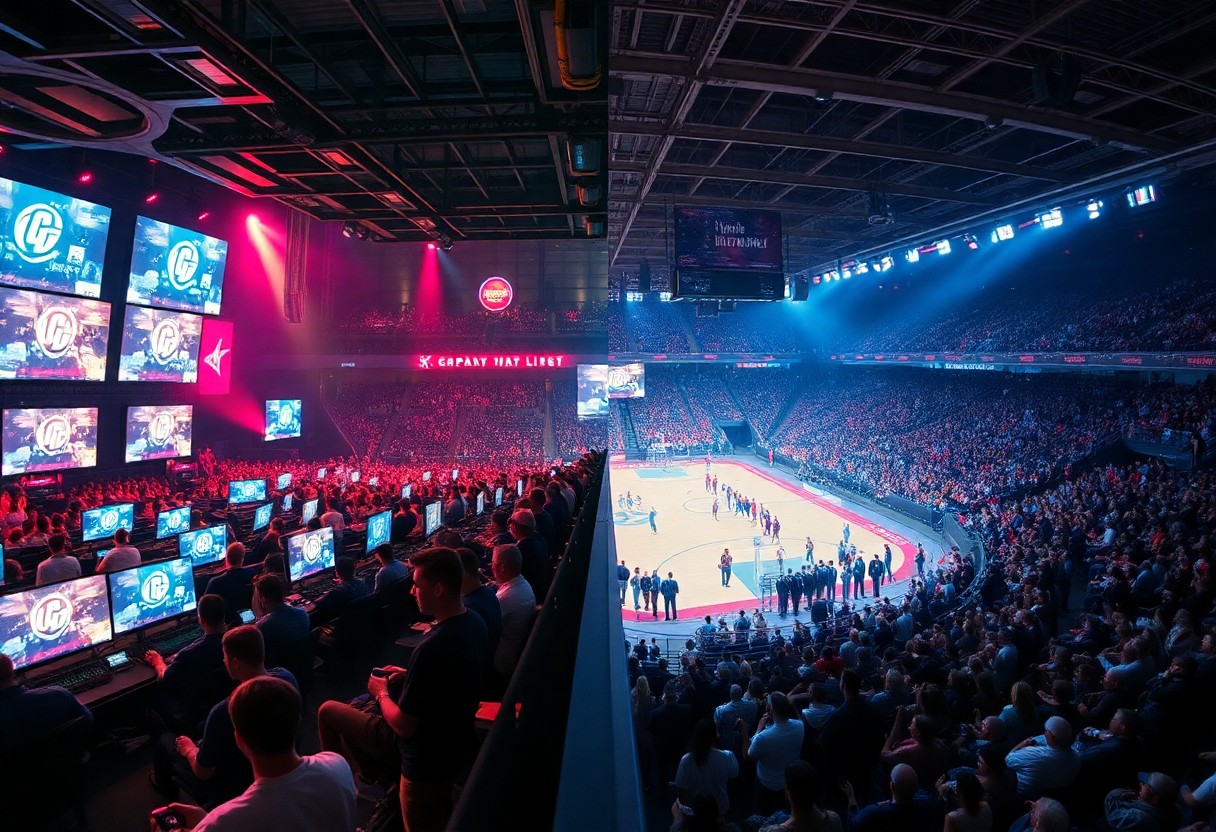
As you explore the world of competitive gaming, you’ll notice the significant impact of esports events on the industry. You’re witnessing a shift in how gaming is perceived, with your favorite games taking center stage in massive tournaments. Your interest in esports is part of a larger trend, as these events bring gaming to mainstream audiences, offering an exciting experience that’s changing the face of entertainment. You’re now part of a growing community that’s redefining the gaming landscape.
Key Takeaways:

  • Esports events have become a significant platform for bringing gaming to mainstream audiences, offering a unique blend of competition, entertainment, and community engagement.
  • The growth of esports has led to increased investment in infrastructure, including dedicated arenas and stadiums, to host large-scale events and provide an immersive experience for attendees.
  • Esports events often feature popular games such as League of Legends, Dota 2, and Overwatch, which attract massive audiences and foster a sense of camaraderie among fans.
  • The rise of live streaming and online platforms has made it possible for fans to watch esports events from anywhere in the world, further expanding the reach and accessibility of these events.
  • Esports events also provide opportunities for brands and sponsors to connect with a younger demographic, with many companies investing in esports marketing and partnerships to reach this audience.
  • The production quality of esports events has improved significantly, with high-quality commentary, analysis, and broadcasting making the experience more engaging and professional for viewers.
  • As esports continues to gain popularity, it is likely that we will see more mainstream recognition and acceptance, with potential inclusion in traditional sports leagues and Olympic events in the future.

Evolution of Esports Events

While the concept of competitive gaming has been around for decades, you’ve likely noticed a significant shift in the scale and production quality of esports events in recent years, transforming the industry into a global phenomenon that attracts millions of viewers and fans worldwide.

From Small LAN Parties to Stadium Tournaments

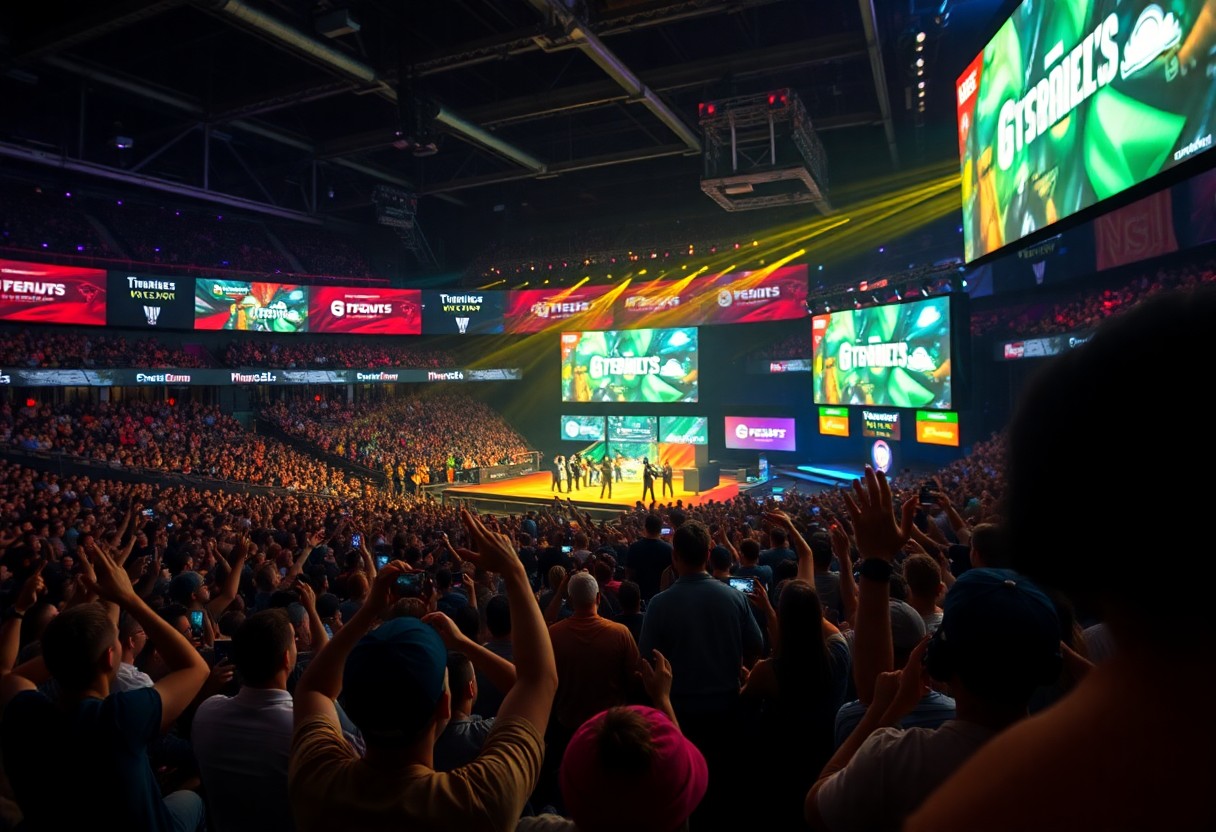
Besides the early days of small LAN parties, you now have the opportunity to attend large-scale stadium tournaments that offer an immersive experience, complete with elaborate stage designs, live commentary, and massive screens to enhance your viewing experience.

Digital Broadcasting Revolution

By leveraging digital platforms, you can now access esports events from anywhere in the world, allowing you to stay up-to-date with the latest developments and watch your favorite teams compete in real-time, making the experience more accessible and engaging.

Even as digital broadcasting continues to play a vital role in the growth of esports, you’ll find that platforms like Twitch and YouTube have become vital channels for teams, players, and organizers to connect with their audiences, share their stories, and build a community around their passion for gaming, enabling you to feel more connected to the action and the personalities involved.
Event Architecture

One of the key aspects of hosting a successful esports event is designing an immersive experience for your audience. You need to consider the layout, sound, and visuals to create an engaging atmosphere that draws your spectators in.

Technical Infrastructure

On the technical side, you will need to ensure that your event has a robust infrastructure to support high-speed internet, high-definition video, and seamless audio. You will need to invest in top-notch equipment to provide a smooth and lag-free experience for your participants and spectators.

Venue Requirements

Before selecting a venue, you should consider factors such as seating capacity, stage design, and amenities. You want to choose a venue that can accommodate your expected audience size and provide a comfortable viewing experience for your spectators.

This is especially important as the venue will be the hub of your event, and you want to ensure that it can support all the necessary equipment and personnel. You should also consider the location and accessibility of the venue, as well as the availability of amenities such as food, beverages, and restrooms, to ensure a positive experience for your attendees.

Audience Experience

Many esports events offer an immersive experience, drawing you into the world of competitive gaming. As you attend these events, you’ll notice the electric atmosphere and engaging activities that enhance your overall experience.

Live Spectator Elements

Audiences are treated to a thrilling experience, with large screens, live commentary, and analyst discussions that keep you engaged and informed throughout the competition.

Interactive Components

About the interactive elements, you’ll find that many events incorporate virtual and augmented reality experiences, allowing you to step into the game and interact with your favorite teams and players.

In fact, as you explore the interactive components, you’ll discover that they provide a unique opportunity for you to connect with the gaming community, participate in contests, and even influence the gameplay, making your experience even more enjoyable and personalized.

Mainstream Media Integration

Not surprisingly, esports events have become a significant part of mainstream media, with many major networks broadcasting tournaments and competitions. You can now watch your favorite esports teams and players on traditional TV channels, bringing gaming to a wider audience.

Traditional Sports Partnerships

Obviously, partnerships between esports and traditional sports have increased, with many sports teams investing in esports franchises. You will notice that this collaboration has led to a more significant presence of esports in mainstream media, making it more accessible to your audience.

Cross-Platform Coverage

Anyway, cross-platform coverage has enabled you to watch esports events on various devices, from your smartphone to your TV. You can now access your favorite esports content anywhere, at any time, making it more convenient for you to stay updated on the latest developments.

Plus, with the rise of cross-platform coverage, you can expect to see more innovative and interactive ways to engage with esports content, such as live streaming, virtual reality experiences, and social media integration, which will further enhance your overall esports experience.

Economic Impact

Unlike traditional sports, esports events have a unique economic impact, with significant revenue generated from sponsorships and advertising. You can learn more about the economic impact of esports events at Esports Events: How Gaming Tournaments Are Redefining the Industry, which provides valuable insights into the industry’s growth.

Sponsorship Landscape

Across various industries, you’ll find that esports events attract a wide range of sponsors, from tech companies to energy drink manufacturers, all looking to tap into the vast and dedicated audience.

Local Market Benefits

Along with the global economic impact, you’ll also find that esports events have a significant effect on local markets, with host cities experiencing a surge in tourism and revenue during major tournaments.

Landscape of local markets is changing as you consider the long-term benefits of hosting esports events, including the creation of new jobs, infrastructure development, and increased investment in local businesses, which can have a lasting impact on your community and contribute to its growth and development.

Production Elements

To create an immersive experience, you need to consider various production elements that will elevate your esports event. This includes high-quality audio, visuals, and lighting that will engage your audience and make the event memorable.

Broadcast Quality Standards

Broadcasting high-definition video and crystal-clear audio is crucial for an engaging esports event, as you want your audience to feel like they are part of the action, with every detail visible and every sound audible.

Entertainment Value

Broadening your perspective on entertainment, you can enhance the overall experience with engaging storylines, player profiles, and analysis, making the event more enjoyable for your audience and keeping them invested in the competition.

The entertainment value of your esports event is further enhanced when you consider the overall atmosphere, including the venue, crowd engagement, and commentary, as you want to create an electric atmosphere that will keep your audience on the edge of their seats, cheering for their favorite teams and players.

Conclusion

With this in mind, you can see how esports events have successfully brought gaming to mainstream audiences. You now have a better understanding of the industry’s growth and its ability to engage your interests. Your perception of esports has likely shifted, and you may consider attending or watching an event, experiencing the excitement for yourself, and being part of a thriving community that continues to expand and evolve.

FAQ

Q: What is the current state of esports events in terms of popularity and viewership?

A: Esports events have experienced tremendous growth in recent years, with millions of viewers tuning in to watch professional gamers compete in various games such as League of Legends, Dota 2, and Overwatch. The popularity of esports has led to the creation of large-scale events like the League of Legends World Championship and the Fortnite World Cup, which have filled stadiums and broken viewership records. As a result, esports events are now being recognized as a major player in the entertainment industry, with many traditional sports teams and media companies investing in esports teams and events.

Q: How are esports events helping to bring gaming to mainstream audiences?

A: Esports events are helping to bring gaming to mainstream audiences by providing a platform for professional gamers to showcase their skills and compete at the highest level. These events are often streamed live on popular platforms such as Twitch and YouTube, allowing fans to watch and interact with the games in real-time. Additionally, many esports events are now being broadcast on traditional television networks, such as ESPN and BBC, further increasing their reach and exposure to new audiences. The production quality of these events has also improved significantly, with high-quality commentary, analysis, and storytelling helping to make esports more accessible and engaging for new fans.

Q: What can fans expect from future esports events in terms of innovation and entertainment?

A: Fans can expect future esports events to continue to push the boundaries of innovation and entertainment. With advancements in technology, such as virtual and augmented reality, esports events may incorporate new and immersive experiences for fans. Additionally, the rise of new games and genres, such as battle royale and fighting games, is expected to bring new excitement and competition to the esports scene. Furthermore, esports events are likely to feature more interactive elements, such as live fan voting and Q&A sessions, to increase fan engagement and participation. Overall, the future of esports events looks bright, with a focus on creating an exciting and inclusive experience for both hardcore gamers and new fans alike.
Esports vs. Traditional Sports – A Battle for Viewer Attention

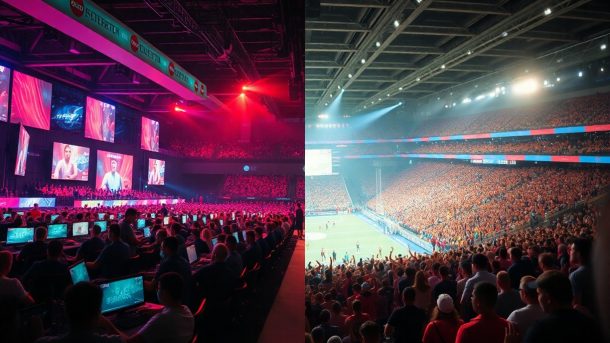
As you consider the evolving landscape of sports entertainment, you’re likely wondering which type of competition will capture your attention: esports or traditional sports. You’re not alone in this dilemma, as millions of viewers are making the same choice. Your preferences will play a significant role in shaping the future of the sports industry, with both esports and traditional sports vying for your loyalty and viewership. You’ll need to decide which one resonates with you more.

Key Takeaways:

  • Esports and traditional sports are competing for the attention of viewers, with both offering unique experiences and attractions that cater to different demographics and interests.
  • The global esports audience is growing rapidly, with estimates suggesting it will surpass 500 million viewers by 2024, presenting a significant challenge to traditional sports in terms of viewer engagement.
  • Traditional sports have a long history and established fan base, but esports offers a more immersive and interactive experience, with live streaming and online engagement playing a key role in its popularity.
  • The demographics of esports and traditional sports fans differ, with esports skewing towards a younger, more tech-savvy audience, while traditional sports tend to attract an older, more traditional viewer base.
  • Esports offers a range of new and innovative sponsorship opportunities, including in-game advertising and product placements, which are attracting brands looking to reach a younger audience.
  • The lines between esports and traditional sports are becoming increasingly blurred, with many traditional sports teams and leagues investing in esports and vice versa, creating new opportunities for collaboration and growth.
  • The battle for viewer attention between esports and traditional sports will likely lead to increased innovation and investment in both industries, ultimately benefiting fans and driving growth in the global sports and entertainment market.

The Rise of Digital Competition

While the world of sports has traditionally been dominated by physical activities, you are now witnessing a shift towards digital competition, with esports gaining popularity at an unprecedented rate, captivating your attention and changing the way you consume sports.

Evolution of Esports

Among the key factors contributing to the growth of esports, you will find advances in technology, increased accessibility, and a growing community of enthusiasts, all of which have helped to establish esports as a viable alternative to traditional sports, offering you a new way to engage with competitive gaming.

Traditional Sports Legacy

With a rich history and a massive following, traditional sports have long been the dominant force in the world of athletics, and as you consider the impact of esports, you should also acknowledge the enduring appeal of sports like football, basketball, and baseball, which continue to attract vast audiences and inspire loyalty in their fans.

For instance, you can look at the way traditional sports have evolved over time, incorporating new technologies and innovations to enhance the fan experience, from high-definition broadcasts to social media engagement, and you will see that these sports are not standing still, but rather adapting to the changing landscape and competing with esports for your attention.

Audience Demographics

There’s a notable difference in the audience demographics of esports and traditional sports, which affects your viewing experience and engagement with these events.

Digital Native Appeal

With the rise of online platforms, you’ll find that esports attracts a younger audience, born and raised in the digital age, who are more comfortable with the fast-paced and tech-savvy nature of esports.

Traditional Sports Fan Base

Digitally, you may think traditional sports have an older fan base, but they also have a strong following across various age groups, with many fans loyal to their favorite teams and players.

Consequently, as you explore the world of traditional sports, you’ll discover that their fan base is often deeply rooted in local communities, with fans attending live events and participating in fantasy leagues, creating a sense of camaraderie and shared experience that is unique to traditional sports.

Revenue Streams

Despite the differences in their nature, both esports and traditional sports generate significant revenue. You will notice that their revenue streams vary, with esports relying on digital platforms and traditional sports on ticket sales and broadcasting rights.

Digital Monetization Models

Reaping financial benefits from esports is largely dependent on digital monetization models, which you can leverage through online advertising, sponsorships, and subscription-based services, allowing you to tap into a vast and engaged audience.

Conventional Sports Economics

Modeling your revenue strategy after traditional sports can be beneficial, as you will see that their economics are well-established, with a focus on broadcasting rights, merchandise sales, and ticketing, providing you with a framework to understand the financial aspects of the industry.

Considering the conventional sports economics, you can gain a deeper understanding of how traditional sports have maintained their financial stability over the years. You will observe that their revenue models are often based on long-term contracts, licensing agreements, and strategic partnerships, which provide a stable source of income, allowing you to apply these principles to your own esports ventures and make informed decisions about your revenue strategy.

Media Coverage and Broadcasting

Your viewing habits are changing, and the way you consume sports is no exception. The rise of esports has led to a shift in media coverage, with more emphasis on online streaming and broadcasting.

Streaming Platforms

Along with the growth of esports, platforms like Twitch have become increasingly popular, allowing you to watch your favorite teams and players compete in real-time, with interactive features that enhance your viewing experience.

Traditional Broadcasting Networks

About the same time, traditional broadcasting networks have started to take notice of esports, with some even dedicating entire channels to esports coverage, giving you more options to watch your favorite esports events.

Due to the increasing popularity of esports, traditional broadcasting networks are now investing more in esports coverage, providing you with high-quality production and commentary, making your viewing experience more enjoyable and immersive, and allowing you to follow your favorite esports teams and players more easily.

Athlete Development

Now, as you consider the differences between esports and traditional sports, you can explore how athlete development varies between the two. You can learn more about Esports vs “Real” Sports and how it impacts your understanding of athlete development.

Digital Training Methods

Alongside traditional training, digital methods are becoming increasingly popular, allowing you to practice and improve your skills in a virtual environment, which can be beneficial for your esports career.

Physical Sports Training

Across various traditional sports, you will find that physical training is a key component, requiring you to develop your strength, endurance, and agility to compete at a high level.

The physical demands of traditional sports mean that you will need to focus on building your overall fitness, which can be time-consuming and may lead to injuries if not done properly, so you should consider seeking guidance from a professional coach or trainer to help you develop a safe and effective training plan.

Fan Engagement

After analyzing the landscape, you’ll find that esports and traditional sports have different approaches to fan engagement, as seen in the comparison of How the eSports Industry Fares Against Traditional Sports.

Virtual Community Building

The ease of online interaction allows you to connect with others worldwide, creating a vast and dedicated fan base.

Stadium Experience

An immersive experience awaits you in traditional sports stadiums, with cheering crowds and live commentary.

And as you attend a traditional sports event, you’ll notice the electric atmosphere, with fans dressed in their team’s colors, cheering and chanting together, creating an unforgettable experience that esports is now trying to replicate with its own live events and venues, allowing you to be part of a larger community.

Conclusion

Considering all points, you now have a clearer understanding of the esports vs traditional sports debate. As you weigh your options, your attention is the ultimate prize, and both industries are vying for it. You decide which type of sports to watch, and your choice will shape the future of entertainment. Your preferences will influence the growth and development of these industries, making your role a significant one in this battle for viewer attention.

FAQ

Q: What is the current state of the competition between esports and traditional sports for viewer attention?

A: The competition between esports and traditional sports for viewer attention is intensifying, with both industries experiencing significant growth in recent years. Esports, in particular, has seen a massive surge in popularity, with major tournaments and leagues drawing in millions of viewers worldwide. Traditional sports, however, still maintain a strong following and are adapting to the changing media landscape by incorporating new technologies and formats to engage with their audiences. As a result, the battle for viewer attention is becoming increasingly fierce, with both sides investing heavily in marketing, production, and distribution to capture the largest share of the audience.

Q: How do the demographics of esports and traditional sports audiences differ, and what implications does this have for their respective growth strategies?

A: The demographics of esports and traditional sports audiences differ significantly, with esports tend to skew towards a younger, more digitally-native audience, while traditional sports tend to attract an older, more established fan base. Esports audiences are also more likely to be male, although the gender gap is narrowing as the industry continues to grow and mature. In terms of implications, these demographic differences mean that esports organizations and traditional sports leagues must tailor their growth strategies to their respective audiences, with esports focusing on digital engagement and community-building, and traditional sports emphasizing storytelling, nostalgia, and in-person experiences. By understanding and catering to their unique demographics, both industries can effectively target and expand their audiences.

Q: What role will technology play in shaping the future of the esports and traditional sports industries, and how will they leverage innovations like streaming, virtual reality, and social media to attract and retain viewers?

A: Technology will play a pivotal role in shaping the future of both the esports and traditional sports industries, as innovations like streaming, virtual reality, and social media continue to transform the way fans consume and interact with sports content. Esports, in particular, is well-positioned to leverage these technologies, given its digital-native roots and existing expertise in streaming and online engagement. Traditional sports, meanwhile, are also investing heavily in technology, using data analytics, artificial intelligence, and immersive experiences to enhance the fan experience and attract new audiences. As these industries continue to evolve, we can expect to see even more innovative applications of technology, from virtual and augmented reality experiences to social media integrations and personalized streaming services, all designed to attract and retain viewers in an increasingly competitive media landscape.

The Rise of Mobile Esports – Competing on the Go

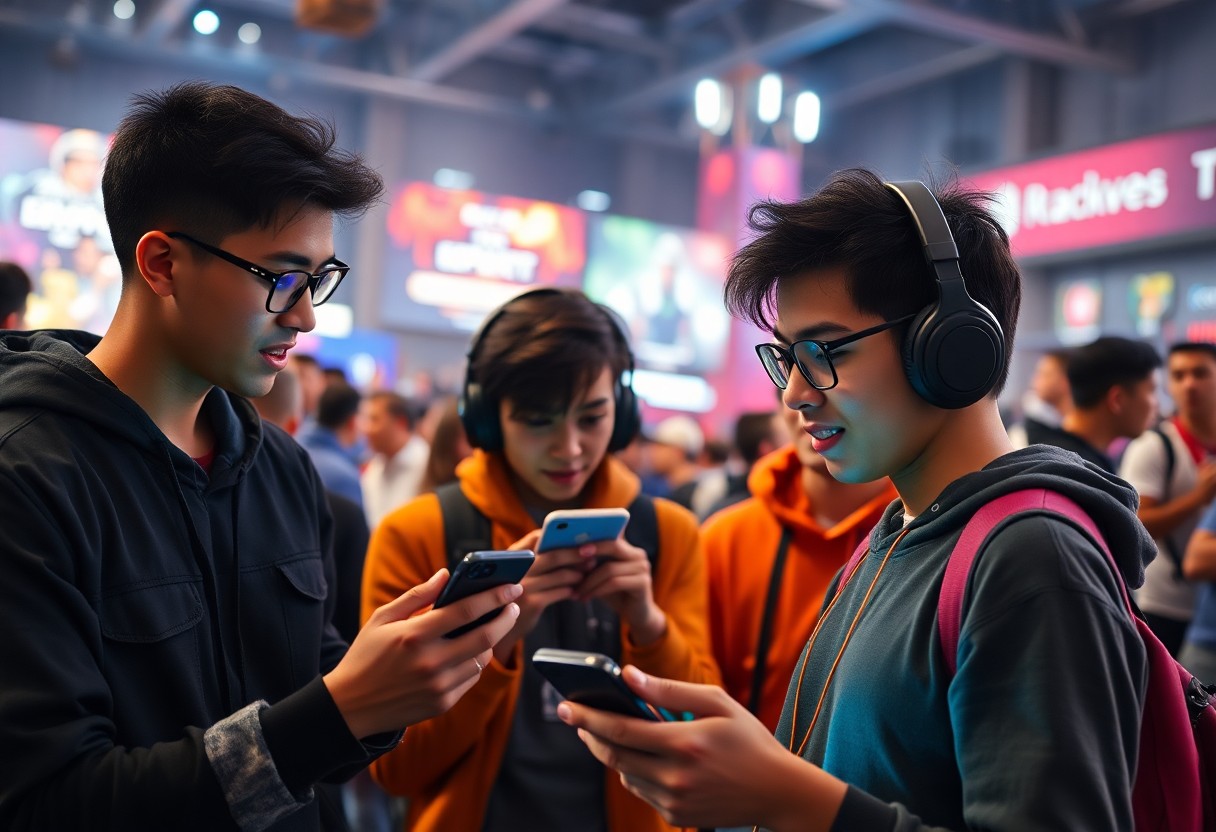
As you investigate into the world of competitive gaming, you’ll notice a significant shift towards mobile esports. Your smartphone is no longer just a device for casual gaming, but a powerful tool for competing at a professional level. With advancements in mobile technology, you can now experience high-quality gaming on-the-go, and the esports industry is taking notice. You’re about to witness a new era of competitive gaming, where your mobile device becomes your gateway to a global stage.

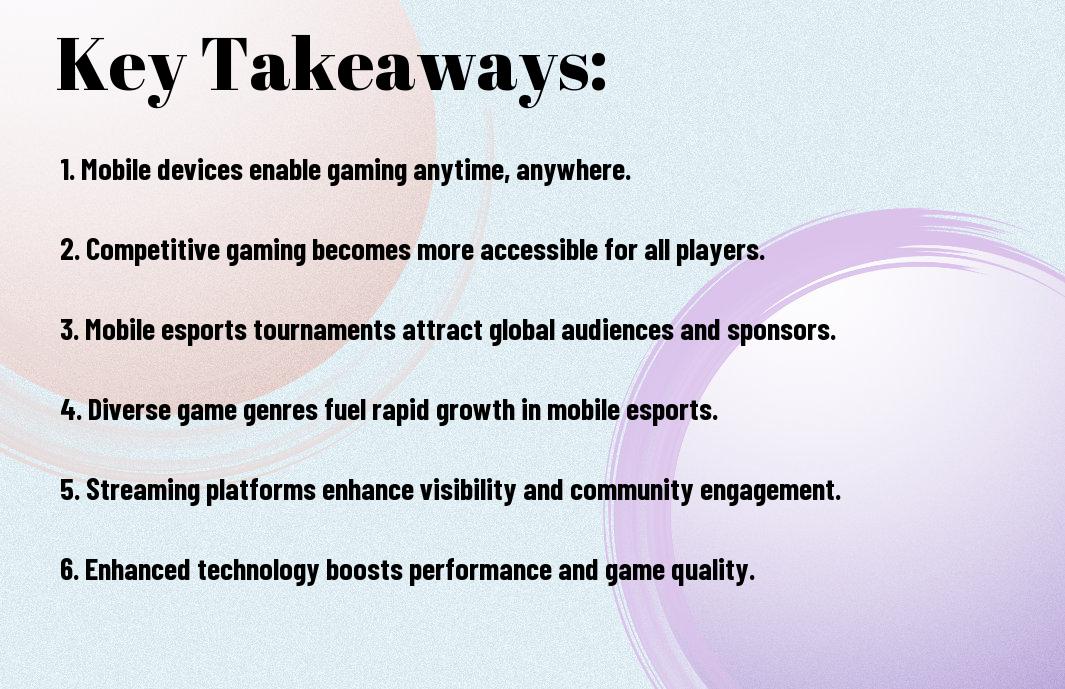
Key Takeaways:

  • The rise of mobile esports has transformed the gaming industry, allowing players to compete anywhere, anytime, and opening up new opportunities for professional gamers and enthusiasts alike.
  • Mobile devices have become powerful enough to support high-quality, complex games that can be played competitively, driving the growth of mobile esports.
  • The popularity of mobile esports has been fueled by the widespread adoption of smartphones and the development of games specifically designed for competitive play on mobile devices.
  • Mobile esports has lowered the barrier to entry for new players, making it more accessible and inclusive, and allowing a more diverse range of players to participate in competitive gaming.
  • The mobile esports scene has also given rise to new business models, such as sponsorship and advertising, which are helping to drive revenue and investment in the industry.
  • The growth of mobile esports is expected to continue, with new technologies such as 5G networks and cloud gaming set to further enhance the mobile gaming experience and enable more sophisticated competitive play.
  • The rise of mobile esports is changing the way people consume and interact with esports, with many fans now watching and participating in competitive gaming on their mobile devices, rather than on traditional platforms such as PCs or consoles.

Mobile Gaming Evolution

For your understanding of the rise of mobile esports, it’s imperative to know that mobile gaming has come a long way, and you can learn more about How Mobile Gaming Is Leading The Way To Become The Future Of Esports by exploring the latest trends.

From Casual to Competitive

On the path to competitive gaming, you’ll notice that mobile games have transitioned from casual, simple experiences to complex, competitive ones, offering you a wide range of genres and gameplay styles to choose from.

Market Growth and Demographics

Mobile gaming’s popularity has led to significant market growth, and you can see this reflected in the demographics of gamers, with more people than ever before engaging in mobile gaming, including you, as part of a diverse and expanding community.

Further, as you explore the market growth and demographics of mobile gaming, you’ll find that the accessibility and affordability of mobile devices have contributed to the surge in popularity, allowing you to join a vast and diverse community of gamers worldwide, with your preferences and interests shaping the future of mobile esports.

Popular Mobile Esports Titles

Some of the most popular mobile esports titles have taken the world by storm, and you can now compete on the go. You’ll find a variety of games that cater to different tastes and preferences, offering an exciting experience.

Battle Royale Dominance

Above all, battle royale games have become a staple in mobile esports, and you’ll find yourself immersed in the action-packed gameplay. You can expect fast-paced matches and intense competition, making it a thrilling experience.

MOBA Success Stories

For your gaming pleasure, MOBA games have seen significant success in the mobile esports scene, offering a unique blend of strategy and action. You’ll enjoy the challenging gameplay and competitive atmosphere, making it an exciting experience.

Dominance of MOBA games in mobile esports is evident, and you’ll notice that many top players have made a name for themselves in this genre. You can learn from their strategies and techniques, and as you dive deeper into the world of MOBA, you’ll discover the complexity and depth of these games, allowing you to improve your skills and become a better player.

Tournament Infrastructure

Now that mobile esports is gaining popularity, you can expect to see more advanced tournament infrastructure being developed, allowing you to compete with others from around the world.

Global Competition Platforms

Across various regions, you will find platforms that enable you to participate in mobile esports tournaments, providing you with opportunities to showcase your skills and connect with other players.

Prize Pools and Sponsorships

On top of the excitement of competing, you can also look forward to significant prize pools and sponsorships, which will further fuel your passion for mobile esports and encourage you to improve your gameplay.

Tournament organizers are now offering larger prize pools and attracting prominent sponsors, which means you can potentially win big and gain recognition as a professional mobile esports player, taking your skills to the next level and competing against the best in the industry, with your talents being acknowledged and rewarded by the esports community and brands alike.

Professional Scene

All eyes are on the professional mobile esports scene as it continues to grow in popularity, with you witnessing top players and teams competing in tournaments and leagues around the world.

Teams and Organizations

Alongside the rise of mobile esports, you’ll find teams and organizations emerging to support and sponsor players, with many of them investing heavily in your favorite games.

Training and Practice Regimens

Before you can compete at a professional level, you need to develop a rigorous training regimen, with many players spending hours honing their skills and perfecting their strategy.

Further into your exploration of training and practice regimens, you’ll discover that many professional players have strict practice schedules, often involving team practice sessions, solo play, and analysis of gameplay to identify areas for improvement, allowing you to learn from their examples and apply them to your own gameplay.

Technical Considerations

Unlike traditional esports, mobile esports requires a different set of technical considerations to ensure seamless gameplay. You need to consider factors such as device specifications, network connectivity, and optimization techniques to stay competitive.

Device Optimization

By optimizing your device, you can improve performance and gain a competitive edge. You can achieve this by closing unnecessary apps, updating your operating system, and adjusting graphics settings to suit your needs.

Network Requirements

Beside having a powerful device, you also need a stable and fast network connection to participate in mobile esports. You should look for networks with low latency and high bandwidth to ensure smooth gameplay.

Optimization of network requirements is necessary for your success in mobile esports. You can achieve this by using a wired connection, closing unnecessary applications, and avoiding peak hours when possible, to minimize lag and disconnections, allowing you to focus on your game and compete at your best.

Cultural Impact

Not surprisingly, the rise of mobile esports has significant cultural implications, as you can learn more about The Rise of Mobile Gaming and its effects on society. You will notice that mobile gaming has become an integral part of your daily life, shaping your interactions and entertainment habits.

Regional Differences

Against the backdrop of varying regional preferences, you will observe distinct differences in mobile esports adoption and popularity, influencing your gaming experiences and community engagement.

Social Media Integration

Around the globe, you will find that social media platforms play a significant role in promoting mobile esports, allowing you to connect with other gamers and stay updated on the latest trends and tournaments.

Due to the widespread use of social media, you can now easily discover and participate in mobile esports events, share your gaming achievements, and engage with your favorite teams and players, further enhancing your overall mobile gaming experience.

Final Words

Drawing together the threads of mobile esports, you now see a landscape where competition knows no bounds. As you explore this realm, your understanding of its potential grows. You can participate in tournaments, join communities, and develop your skills on-the-go. With the rise of mobile esports, your gaming experience is no longer confined to a single location, offering you unparalleled flexibility and accessibility to compete at your convenience.

FAQ

Q: What is driving the growth of mobile esports and how is it changing the competitive gaming landscape?

A: The rise of mobile esports is driven by the increasing popularity of mobile devices and the improvement in mobile gaming technology. With the advancement in smartphone hardware and the development of high-quality mobile games, players can now compete at a professional level on their mobile devices. This shift is changing the competitive gaming landscape by making esports more accessible and allowing players to compete from anywhere, at any time. Mobile esports is also attracting a new audience and creating new opportunities for players, teams, and organizers.

Q: What are the most popular mobile esports games and how do they differ from traditional PC or console games?

A: The most popular mobile esports games include titles such as PUBG Mobile, Arena of Valor, and Mobile Legends. These games are designed specifically for mobile devices and offer a unique gaming experience that is optimized for touch screens and mobile hardware. Compared to traditional PC or console games, mobile esports games often have simpler controls, shorter match times, and more accessible gameplay. However, they still require a high level of skill and strategy to compete at a professional level. Mobile esports games also often have their own unique features, such as mobile-specific game modes and monetization systems.

Q: How do mobile esports players and teams prepare for competitions and what are the key factors that contribute to their success?

A: Mobile esports players and teams prepare for competitions by practicing regularly, analyzing gameplay, and developing strategies. They also focus on improving their individual skills, such as aiming, movement, and decision-making. In addition, teams work on their communication, coordination, and teamwork to execute complex strategies and outmaneuver their opponents. The key factors that contribute to success in mobile esports include a deep understanding of the game mechanics, quick reflexes, and the ability to adapt to new situations and strategies. Players and teams must also be able to perform under pressure and manage their time effectively to balance practice, competition, and other responsibilities.

Esports Broadcasting – Bringing Competitive Gaming to Living Rooms

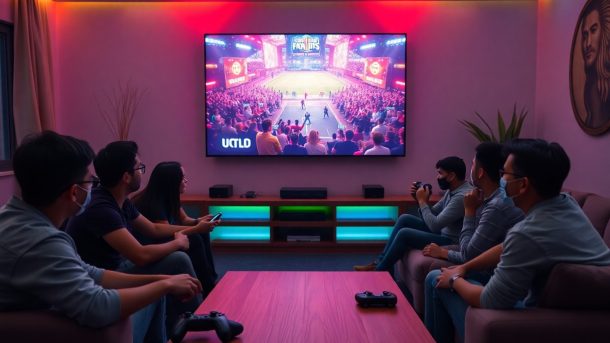
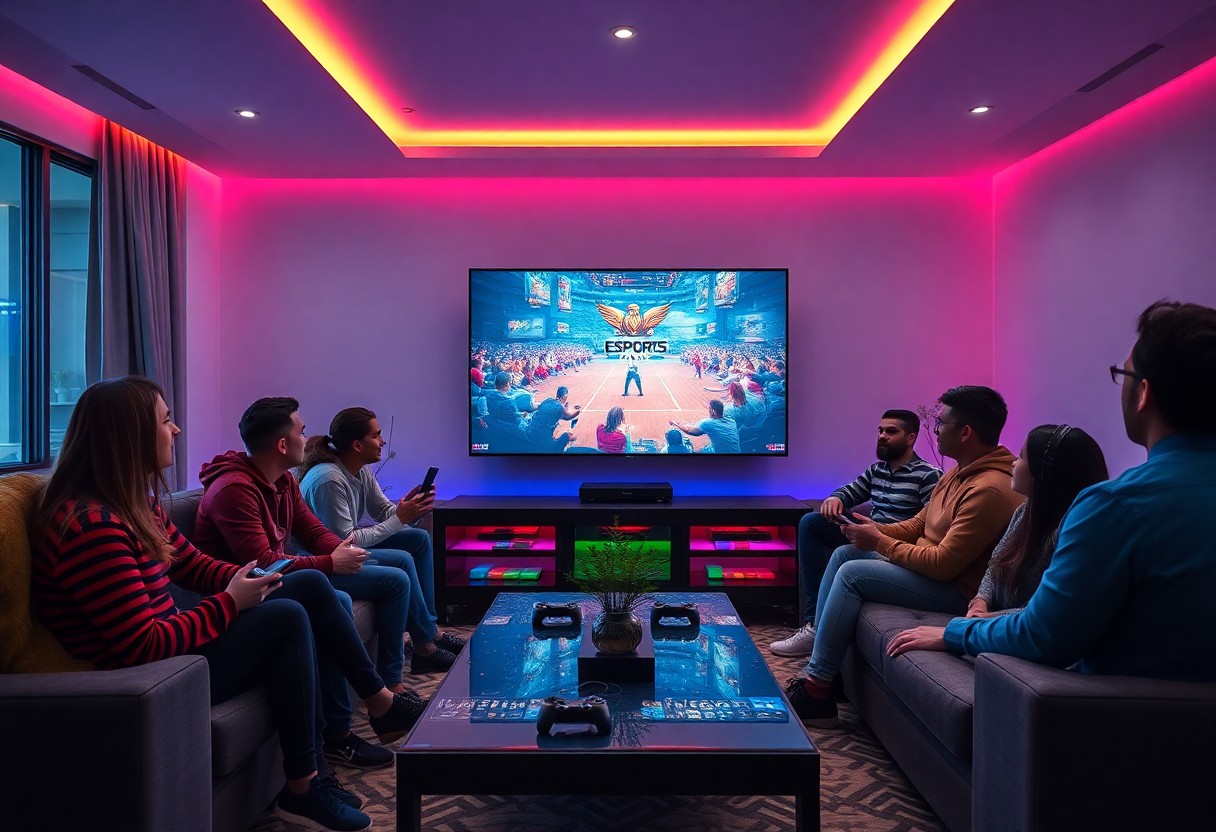
As you explore the world of competitive gaming, you’re likely to notice the significant role esports broadcasting plays in bringing thrilling tournaments and matches to your screen. You can now experience the excitement of professional gaming from the comfort of your own home, with high-quality streams and broadcasts that put you in the midst of the action. Your living room becomes a front-row seat to the fastest-growing sport in the world, with esports broadcasting making it all possible.

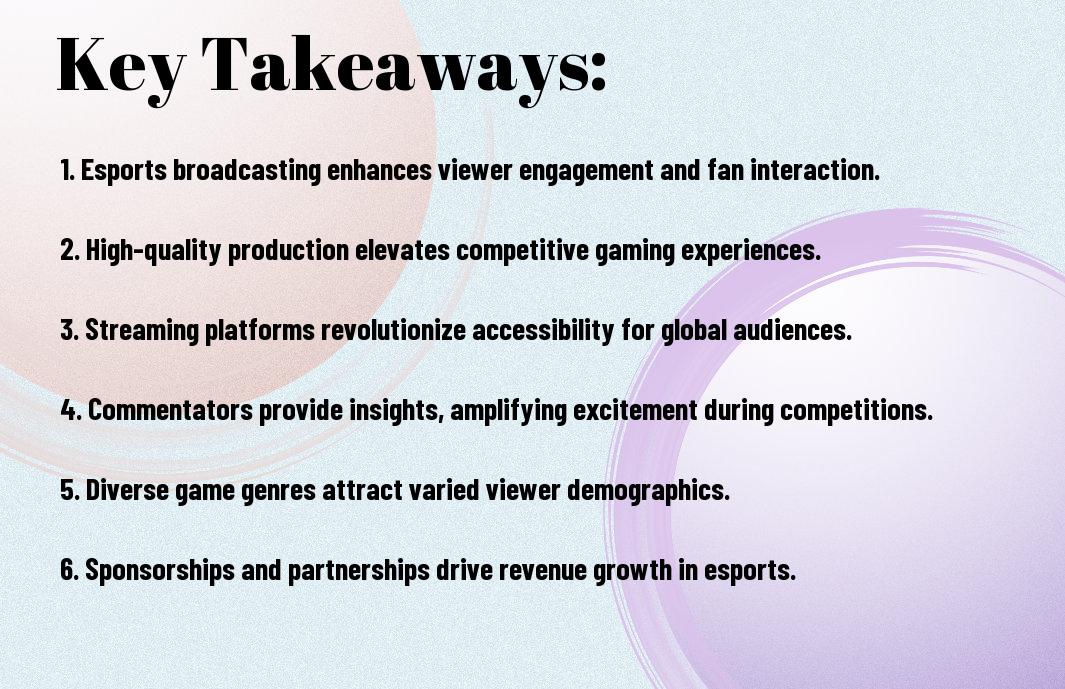
Key Takeaways:

  • Esports broadcasting has become a significant factor in the growth of competitive gaming, making it accessible to a wider audience and bringing the excitement of professional gaming to living rooms around the world.
  • The production quality of esports broadcasts has improved dramatically, with high-definition streams, engaging commentary, and real-time analysis, creating an immersive experience for viewers.
  • Traditional sports broadcasters are taking notice of esports, with many partnering with gaming organizations to produce and distribute esports content, further legitimizing the industry.
  • The rise of online streaming platforms such as Twitch and YouTube has been instrumental in the development of esports broadcasting, providing a dedicated space for gamers to connect and compete.
  • Esports broadcasting has also created new opportunities for revenue generation, including sponsorships, advertising, and merchandise sales, which are helping to sustain the growth of the industry.
  • The engagement of esports audiences is high, with fans actively participating in live chats, predicting match outcomes, and supporting their favorite teams and players, creating a sense of community and camaraderie.
  • As technology continues to evolve, esports broadcasting is likely to become even more sophisticated, with the integration of virtual and augmented reality, and the development of new formats and genres, further expanding the reach and appeal of competitive gaming.

Evolution of Esports Broadcasting

Before the current esports boom, you might have been unaware of the industry’s rapid growth. As you explore the world of esports, you’ll find that Esports Evangelists Want To Bring Gaming To A Broader Audience, which has led to significant advancements in broadcasting.

From LAN Parties to Global Streams

Behind the scenes, you’ll discover that esports has transitioned from small LAN parties to massive global streams, allowing you to access tournaments and events from your living room.

Technical Infrastructure Development

From a technical standpoint, you’ll notice that advancements in infrastructure have played a significant role in the evolution of esports broadcasting, enabling high-quality streams and larger audiences.

Consequently, as you probe deeper into the world of esports, you’ll find that the development of technical infrastructure has been instrumental in bringing competitive gaming to your living room, with faster internet speeds, better equipment, and more sophisticated software allowing for seamless broadcasts and engaging viewer experiences.

Production Elements

The production elements of esports broadcasting are what bring the game to life for your audience. You need to consider the various components that come together to create an engaging and immersive experience for your viewers.

Commentary and Analysis

Obviously, one of the most important aspects of esports broadcasting is the commentary and analysis provided by experts. You will want to hire commentators who are knowledgeable about the game and can provide insightful analysis to enhance your viewers’ understanding and enjoyment of the competition.

Visual Presentation and Graphics

Furthermore, for an esports broadcast to be successful, the visual presentation and graphics must be of high quality. You should invest in high-definition cameras, advanced lighting, and sophisticated graphics software to create a visually stunning experience for your audience.

The visual presentation and graphics of your esports broadcast can make or break the overall experience for your viewers. You will want to ensure that the graphics are informative, yet unobtrusive, and that the camera work is smooth and well-directed, allowing your audience to follow the action easily and become fully engaged in the competition. As you consider your visual presentation and graphics, think about how you can use them to enhance the storytelling and drama of the game, and to create a unique and compelling experience for your viewers.

Broadcasting Platforms

Once again, you find yourself at the forefront of the esports revolution, and broadcasting platforms are leading the charge. You have numerous options to choose from, each with its unique features and benefits, allowing you to tailor your viewing experience to your preferences.

Dedicated Streaming Services

To further enhance your esports experience, you can utilize dedicated streaming services, such as Twitch, which offer high-quality streams, interactive chat, and a community-driven atmosphere, making you feel like you’re part of the action.

Traditional Media Integration

About the time you thought esports couldn’t get more mainstream, traditional media outlets started taking notice, and now you can catch esports tournaments and events on your favorite TV channels and online platforms, bringing competitive gaming to a wider audience, including your living room.

And as you explore the world of traditional media integration, you’ll discover that many major networks are now broadcasting esports events, providing you with more ways to enjoy your favorite games and teams, and allowing you to share the experience with friends and family who may not be as familiar with online streaming platforms.

Audience Engagement

Not only does esports broadcasting bring competitive gaming to your living room, but it also offers a unique opportunity for you to engage with the games you love. As you watch your favorite teams and players compete, you become an integral part of the experience.

Interactive Viewing Experience

Around the globe, you can participate in live chats, predict match outcomes, and engage with other viewers in real-time, enhancing your overall viewing experience. This interactivity allows you to feel more connected to the game and the community.

Social Media Integration

Meanwhile, media platforms play a significant role in amplifying your esports experience, allowing you to share your thoughts, reactions, and predictions with a broader audience. You can follow your favorite teams, players, and commentators on social media, staying updated on the latest news and behind-the-scenes insights.

For instance, you can join online discussions, share highlights, and participate in polls, all of which help to create a sense of community and shared excitement around esports events. As you engage with others on social media, you become part of a larger conversation, discussing strategies, players, and teams, and shaping your own perspective on the games you love.

Technical Challenges

For esports broadcasting, you face numerous technical hurdles that can impact your viewing experience. You need to ensure seamless streaming, high-quality video, and reliable connectivity to engage your audience.

Latency and Quality Control

Along with the need for high-speed internet, you also require advanced equipment to minimize latency and maintain quality control, allowing you to focus on the game rather than technical issues.

Multi-Platform Distribution

About the various platforms you use to broadcast esports, you should consider compatibility and consistency to ensure a smooth experience across all devices.

This multi-platform distribution requires careful planning and execution, as you need to optimize your stream for different platforms, such as Twitch, YouTube, or Facebook, each with its unique requirements and audience preferences, allowing you to reach a broader audience and enhance your overall esports broadcasting experience.

Business Model

All esports broadcasting platforms operate on a unique business model, focusing on creating engaging content and distributing it to a wide audience, allowing you to tap into the growing esports market and reach your target viewers.

Monetization Strategies

For instance, you can explore various revenue streams, such as subscription-based models, advertising, and partnerships, to monetize your esports broadcasting platform and increase your earnings.

Sponsorship Integration

Among the most effective ways to generate revenue is through sponsorship integration, where you partner with brands to promote their products or services to your audience, providing you with a significant source of income.

Also, as you probe deeper into sponsorship integration, you’ll find that it offers a range of opportunities, from branded content and product placements to live event sponsorships, allowing you to create a tailored approach that suits your audience and partners, and helping you to build a successful and sustainable esports broadcasting business.

To wrap up

Presently, you can see how esports broadcasting has revolutionized the gaming industry, bringing competitive gaming to your living room. As you explore this world, you’ll find that building a strong community is key to its success. You can learn more about Building community through Esports and how it enhances your overall experience, making your engagement more enjoyable and interactive.

FAQ

Q: What is esports broadcasting and how does it work?

A: Esports broadcasting refers to the live or recorded transmission of competitive gaming events to a wider audience, typically through online platforms, television, or social media. It involves a team of professionals, including commentators, analysts, and producers, who work together to create an engaging and immersive experience for viewers. The process typically starts with the selection of a game or tournament, followed by the setup of equipment, such as cameras, microphones, and capture cards. The broadcast team then provides real-time commentary, analysis, and graphics to enhance the viewer’s experience, making it feel like they are part of the live event.

Q: How has esports broadcasting impacted the gaming industry and its community?

A: Esports broadcasting has had a significant impact on the gaming industry, helping to popularize competitive gaming and bringing it into the mainstream. It has created new career paths for professional gamers, commentators, and analysts, and has also led to the development of new games and genres. The community has also benefited from esports broadcasting, as it provides a platform for gamers to connect with each other, share their passion for gaming, and learn from professional players. Additionally, esports broadcasting has helped to increase the prize pools for tournaments, attracting more players and teams to compete, and has also led to the creation of new esports leagues and events.

Q: What are the key elements that make a successful esports broadcast, and how can they be applied to other forms of entertainment?

A: A successful esports broadcast typically involves a combination of high-quality production, engaging commentary, and interactive elements, such as live chat and social media integration. The key elements include a strong narrative, expert analysis, and a deep understanding of the game and its community. These elements can be applied to other forms of entertainment, such as traditional sports, music events, and even educational content. For example, the use of interactive elements, such as live polls and Q&A sessions, can help to increase audience engagement and participation. Additionally, the use of expert analysis and commentary can provide a deeper understanding of the subject matter, making it more enjoyable and informative for the audience.

HT-fff Skip to content