Uncategorized

Real-World Problem Solving – What Video Games Can Teach Us

As you navigate the complexities of everyday life, you’re constantly faced with problems that require creative solutions. Your ability to think critically and approach challenges from unique angles is vital. Interestingly, video games can be a valuable resource in developing these skills, offering immersive environments where you can experiment, take risks, and learn from your mistakes, ultimately enhancing your real-world problem-solving abilities.

Key Takeaways:

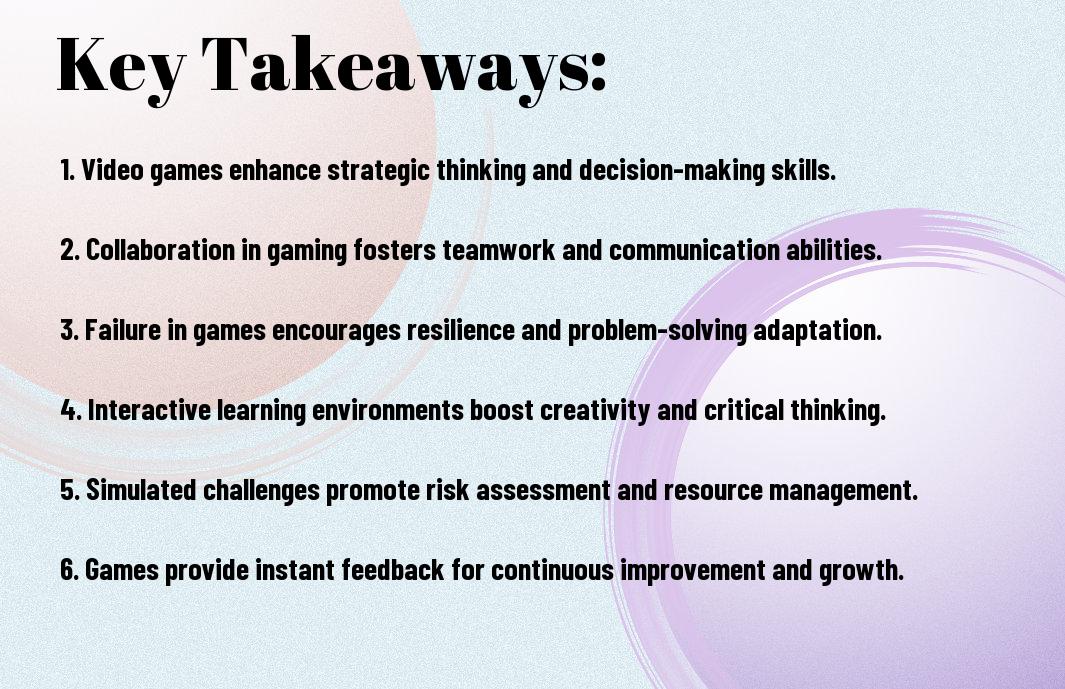
  • Video games offer a unique platform for developing problem-solving skills, as players are often presented with complex challenges that require creative and critical thinking to overcome.
  • Games can teach us to approach problems from different angles, experimenting with various solutions and learning from failure, which is an necessary aspect of real-world problem solving.
  • The interactive nature of video games allows players to receive immediate feedback on their actions, helping to refine their decision-making skills and adapt to new situations.
  • Many video games encourage collaboration and teamwork, promoting communication, cooperation, and mutual support, all of which are valuable skills in real-world problem solving.
  • Video games can also foster a growth mindset, as players are often encouraged to take risks, try new approaches, and view failures as opportunities for growth and learning.
  • The immersive and engaging nature of video games can help to build motivation and persistence, as players become invested in solving problems and achieving goals within the game world.
  • By analyzing the problem-solving strategies and techniques used in video games, we can gain insights into how to apply these skills to real-world problems, leading to more effective and innovative solutions.

Game Design Principles in Problem-Solving

A key aspect of video games is their ability to teach you valuable skills that can be applied to real-world problem-solving. By analyzing game design principles, you can gain a deeper understanding of how to approach complex problems in a logical and methodical way.

Strategic Thinking and Resource Management

With the right mindset, you can develop strategic thinking and resource management skills, allowing you to prioritize tasks and allocate resources effectively. This enables you to tackle problems in a more efficient and organized manner, much like you would in a game.

Risk Assessment and Decision Making

Risking it all can be a valuable learning experience, as you weigh the potential outcomes of your decisions and adjust your strategy accordingly. In games, you learn to assess risks and make informed decisions, a skill that translates well to real-life problem-solving.

Another important aspect of risk assessment and decision making is considering the potential consequences of your actions. As you play games, you develop the ability to think critically about the potential outcomes of your decisions, allowing you to make more informed choices in your personal and professional life, and helping you to develop a more nuanced understanding of your own decision-making process, which you can apply to your own problem-solving strategies.
Learning Through Failure

It is in video games that you experience failure as a natural part of the learning process, allowing you to learn and improve from your mistakes without significant consequences.

Safe Environment for Experimentation

Any attempt to solve a problem in a video game provides you with a safe space to try out different approaches, helping you to develop your critical thinking skills and build confidence in your ability to tackle challenges.

Iterative Problem-Solving Approaches

ProblemSolving in video games often involves trying different solutions, analyzing what works and what doesn’t, and adjusting your approach accordingly, teaching you to be patient and persistent in the face of obstacles.

But as you apply these iterative problem-solving approaches to real-world challenges, you will find that your ability to analyze problems, identify patterns, and adapt to new information will significantly improve, enabling you to tackle complex issues with a logical and methodical mindset, and ultimately, achieve your goals more effectively.

Collaborative Problem-Solving

Despite the common perception that video games are a solo activity, many games require collaboration to solve complex problems, teaching you valuable skills that can be applied to real-world situations.

Team Dynamics in Gaming

Problematically, you may struggle to work with others, but video games can help you develop vital team dynamics, such as trust, leadership, and mutual support, allowing you to tackle challenges more effectively.

Communication and Coordination Skills

Against the odds, you can develop strong communication and coordination skills by playing video games, learning to work together with your teammates to achieve a common goal, and adapting to different roles and responsibilities.

Communication is key to successful collaborative problem-solving, and video games can help you develop your ability to convey your thoughts and ideas effectively, as you learn to articulate your plans and strategies to your teammates, and adjust your approach based on their feedback, allowing you to work together seamlessly and achieve your objectives.

Adaptability and Pattern Recognition

Not all problems can be solved with a fixed approach, and video games teach you to adapt to new situations and recognize patterns to overcome challenges.

Dynamic Problem Environments

Following your progress through a game, you encounter diverse environments that test your ability to adjust strategies and think critically, preparing you for real-world complexities.

Skill Transfer to Real Situations

Along with the skills you develop, you can apply them to your everyday life, as your enhanced adaptability and pattern recognition abilities enable you to tackle problems from unique angles.

Problem solving in video games helps you develop a mindset that allows you to analyze situations, identify patterns, and apply your knowledge to your real-life challenges, enabling you to make informed decisions and find innovative solutions to the problems you face, and as you continue to play, you refine your skills, becoming more adept at transferring your gaming experience to your everyday life, making you a more effective problem solver.

Motivation and Engagement

For many of you, video games offer a unique blend of motivation and engagement, driving you to invest hours in solving problems and overcoming challenges. You find yourself drawn into the game’s world, eager to progress and achieve your goals.

Goal-Setting and Achievement Systems

After setting clear objectives, you’re more likely to stay motivated and focused, as seen in video games with well-designed achievement systems, guiding you toward specific targets and tracking your progress.

Progress Tracking and Feedback Loops

Loops of feedback and assessment help you adjust your strategy, as you encounter obstacles and learn from your mistakes, refining your approach to ultimately succeed.

And as you track your progress, you begin to see patterns and areas for improvement, allowing you to make data-driven decisions to optimize your performance, much like how video games provide you with detailed statistics and analysis to enhance your gameplay experience, enabling you to refine your skills and achieve your objectives more efficiently.

Real-World Applications

Your problem-solving skills can be applied to various aspects of life, and video games can teach you valuable lessons, as discussed in The Power of Play: How Video Games Enhance Problem Solving Skills, making you a more effective problem solver.

Educational Integration

With the rise of gamification, you can expect to see more video games being used in educational settings to teach complex concepts and promote interactive learning, making your learning experience more engaging and fun.

Professional Training Methods

For instance, you can use video games to develop your skills in a simulated environment, allowing you to practice and learn from your mistakes without real-world consequences, which can be beneficial for your professional growth.

Also, you can explore various professional training methods that incorporate video games, such as simulation-based training, which can help you develop your decision-making and problem-solving skills in a realistic and immersive environment, preparing you for real-world challenges.

Summing up

From above, you can see that video games offer valuable lessons in real-world problem solving. As you apply these skills, you’ll improve your ability to analyze situations, think critically, and make informed decisions. By embracing the problem-solving strategies you’ve learned from video games, you can enhance your approach to tackling complex challenges in your own life, leading to greater success and personal growth, and enabling you to overcome obstacles more effectively.

FAQ

Q: What can video games teach us about real-world problem solving?

A: Video games can teach us a variety of skills that are applicable to real-world problem solving, such as critical thinking, decision making, and analytical skills. Many video games present players with complex problems that require creative solutions, which can help improve cognitive flexibility and adaptability. Additionally, video games often involve working with others to achieve a common goal, promoting teamwork and communication skills.

Q: How do video games encourage players to think creatively and develop innovative solutions?

A: Video games often provide players with open-ended challenges and sandbox environments that encourage experimentation and exploration. This freedom to try new approaches and learn from failure can foster a mindset of creativity and innovation. Furthermore, many games incorporate mechanics that reward players for thinking outside the box and finding novel solutions to problems, such as puzzle games that require unconventional thinking to progress. By embracing this type of gameplay, players can develop their ability to generate and evaluate new ideas.

Q: Can the skills learned from video games be applied to real-world problems, such as those in education, business, or healthcare?

A: Yes, the skills learned from video games can be applied to a wide range of real-world problems. For example, the problem-solving skills developed through playing video games can be used to tackle complex challenges in fields like education, where teachers can use game-based learning to engage students and promote deeper understanding of subject matter. In business, the teamwork and communication skills developed through multiplayer games can be applied to collaborative projects and team management. In healthcare, the analytical skills developed through playing games can be used to analyze data and develop more effective treatment plans. By leveraging the skills learned from video games, individuals can become more effective problem solvers in their personal and professional lives.

Cooperative Play – Strategies for Thriving in Team-Based Games

As you begin on team-based games, your ability to work collaboratively with others will significantly impact your success. You will need to develop effective strategies to communicate, coordinate, and execute plans with your teammates. By understanding the principles of cooperative play, you can enhance your overall gaming experience and improve your chances of winning. You will learn how to leverage your strengths, support your teammates, and adapt to dynamic situations, ultimately leading to a more enjoyable and rewarding gaming experience.

Key Takeaways:

  • Effective communication is crucial in cooperative play, as it enables team members to coordinate their actions, set strategies, and adapt to changing situations.
  • Understanding each player’s strengths and weaknesses is vital to building a well-rounded team, allowing for more efficient task allocation and better overall performance.
  • Trust and reliability among teammates are fundamental to success in cooperative games, as they foster an environment of mutual support and encouragement.
  • Adaptability is key in cooperative play, as teams must be able to adjust their strategies in response to unexpected challenges or changes in the game environment.
  • Leadership roles can emerge naturally within a team, with certain players taking charge and guiding their teammates towards a common goal.
  • Cooperative play offers opportunities for players to learn from each other, sharing knowledge and expertise to improve overall team performance and achieve victory.
  • Embracing a positive and supportive team culture can significantly enhance the cooperative play experience, promoting enjoyment and motivation among team members.

Foundations of Cooperative Gaming

Before venturing into the world of cooperative play, you need to understand the basics of team-based games. You will be working together with your teammates to achieve a common goal, and your success will depend on your ability to communicate and coordinate with each other.

Team Communication Basics

Following the initial stages of teamwork, you’ll find that effective communication is key to success. You’ll need to clearly convey your thoughts and plans to your teammates, and be able to understand their perspectives as well, in order to make informed decisions and work together seamlessly.

Role Recognition and Adaptability

Regarding your position within the team, you’ll need to identify your strengths and weaknesses, as well as those of your teammates, to determine the best course of action. You’ll need to be flexible and adapt to changing circumstances, taking on different roles as needed to ensure your team’s success.

For instance, you may start out as a support player, but as the game progresses, you may need to take on a more offensive role to help your team achieve its objectives. As you play, you’ll develop a sense of your teammates’ capabilities and be able to adjust your strategy accordingly, making you a more effective and valuable team player. You’ll learn to anticipate each other’s moves and work together like a well-oiled machine, increasing your chances of success in the game.

Social Dynamics in Team Play

Assuming you’re part of a team, your success depends on how well you interact with your teammates, as effective communication and collaboration are key to achieving your goals.

Building Trust Among Players

Trustworthiness is vital in team-based games, as you need to rely on your teammates to have your back, and they need to be able to count on you to do your part, fostering a sense of unity and cooperation.

Conflict Resolution Strategies

By analyzing your team’s dynamics, you can identify potential sources of conflict and develop strategies to address them, such as open communication and active listening, to ensure that your team stays focused and productive.

Conflict can arise from differences in opinion, playstyle, or goals, but by addressing these issues promptly and fairly, you can prevent them from escalating and maintain a positive team environment, allowing you to work together more effectively and achieve your objectives.

Strategic Coordination

Keep in mind that effective teamwork is key to success in team-based games, and you can learn more about Fueling Teamwork by Design to improve your strategy. By understanding how to work together, you can enhance your overall gaming experience.

Resource Sharing Techniques

Following a well-planned strategy, you will find that sharing resources is an imperative part of cooperative play, allowing you to allocate your assets efficiently and maximize your team’s potential, as you progress through the game.

Synchronized Decision Making

Techniques such as communication and planning are vital to making decisions that align with your team’s objectives, ensuring that you work together seamlessly to achieve your goals.

It is imperative to practice synchronized decision making to improve your team’s overall performance, as you will be able to respond to challenges more effectively and make the most of your collective skills and strengths, leading to a more enjoyable and successful gaming experience for you and your teammates.

Leadership in Cooperative Games

To succeed in team-based games, you need effective leadership. You must guide your team, make strategic decisions, and communicate effectively to achieve your goals.

Rotating Leadership Roles

Besides having a single leader, you can rotate leadership roles to utilize each team member’s strengths and expertise, promoting a more dynamic and adaptable team.

Motivating Team Members

Besides providing guidance, you should also motivate your team members by acknowledging their contributions, offering constructive feedback, and fostering a positive team environment.

Understanding what drives your team members is key to motivating them. You can motivate your team by setting achievable goals, providing incentives, and encouraging teamwork, which will help you build a strong and cohesive team that works together to achieve success in cooperative games.

Performance Optimization

Many team-based games require you to optimize your performance to succeed. You need to analyze your gameplay, identify areas for improvement, and adjust your strategy accordingly. By doing so, you can enhance your overall performance and contribute to your team’s success.

Team Composition Theory

Optimally, you should consider the strengths and weaknesses of each player when forming a team. You can then assign roles that play to each player’s strengths, creating a well-rounded team that can tackle various challenges.

Synergy Development

Behind every successful team is a strong synergy between players. You can develop this synergy by communicating effectively, coordinating your actions, and trusting your teammates to do their job.

Due to the importance of synergy, you should focus on building strong relationships with your teammates. You can do this by participating in team-based activities, sharing strategies, and providing feedback to help each other improve. As you develop your synergy, you will find that your team’s performance improves, and you become a more formidable opponent.

Advanced Team Tactics

Not all teams are created equal, and as you progress in team-based games, you’ll need to develop more sophisticated strategies. Consider the following:

  1. Communication
  2. Role assignment
Tactic Description
Flanking Attacking from the sides

Crisis Management

Besides having a solid plan, you need to be prepared for unexpected events, and as you face challenges, you’ll need to adapt your strategy to overcome them, ensuring your team’s survival.

Victory Conditions Planning

Managing your team’s objectives is key to success, and as you plan your approach, you’ll need to consider the strengths and weaknesses of your team members, allocating tasks effectively to achieve your goals.

In addition, when planning for victory conditions, you’ll need to take into account the game’s objectives, such as capturing points or defeating enemies, and develop a strategy that utilizes your team’s unique abilities to achieve these goals, allowing you to outmaneuver your opponents and emerge victorious.

Final Words

To wrap up, you now have the strategies to thrive in team-based games through cooperative play. You can apply these techniques to enhance your gameplay and have more fun with your teammates. For more information on effective teamwork and gaming, visit Cooperative Play: Enhancing Teamwork and Fun in Games to improve your skills and your team’s overall performance, helping you achieve your gaming goals, and making your gaming experience more enjoyable and successful.

FAQ

Q: What are the key elements of successful cooperative play in team-based games?

A: The key elements of successful cooperative play include effective communication, role distribution, and adaptability. Players must be able to communicate clearly and concisely to coordinate strategies, execute plans, and provide feedback. Each player should understand their role within the team and contribute their unique skills and abilities to achieve common goals. Additionally, teams must be able to adapt quickly to changing circumstances, such as unexpected enemy movements or emerging opportunities, to stay ahead and succeed.

Q: How can players develop and maintain a strong team dynamic in cooperative games?

A: Developing and maintaining a strong team dynamic in cooperative games involves fostering a positive and supportive team environment. This can be achieved by encouraging open communication, active listening, and constructive feedback. Team members should be respectful and considerate of each other’s opinions and playing styles, and be willing to learn from each other’s strengths and weaknesses. Regular team discussions and debriefs can help to identify areas for improvement and develop strategies for overcoming challenges. By building trust, camaraderie, and a shared sense of purpose, teams can create a cohesive and effective unit that is greater than the sum of its individual parts.

Q: What strategies can teams use to overcome common challenges and obstacles in cooperative games?

A: Teams can use several strategies to overcome common challenges and obstacles in cooperative games, including dividing tasks and responsibilities, utilizing each player’s unique skills and abilities, and staying flexible and adaptable. Teams should also focus on minimizing mistakes and learning from failures, rather than placing blame or becoming discouraged. By analyzing challenges and developing targeted solutions, teams can improve their overall performance and increase their chances of success. Furthermore, teams can use tools such as voice chat, text chat, or other communication methods to stay coordinated and execute complex strategies, and use game mechanics such as revives, heals, or shields to support each other in critical situations.

Global Localization – The Art of Adapting Games for Diverse Markets

As you venture into the global gaming market, you’ll encounter diverse cultures and languages that require adaptations to your game. You need to consider your target audience’s preferences, regulations, and technical requirements to ensure a successful launch. Your game’s success depends on how well you can tailor it to local markets, and this process is known as global localization. You will learn how to navigate these complexities and effectively adapt your game for international audiences.

Key Takeaways:

  • Understanding the target audience is vital for successful game localization, as cultural differences and preferences can significantly impact player engagement and reception.
  • Cultural adaptation is a key aspect of global localization, involving the modification of game content to accommodate regional norms, values, and sensitivities.
  • Language translation is a fundamental component of game localization, requiring attention to nuance, context, and linguistic accuracy to ensure effective communication with diverse player bases.
  • Technical considerations, such as character encoding and font support, must be addressed to ensure seamless gameplay and user experience across different regions and platforms.
  • Market research and analysis are vital for identifying regional trends, player preferences, and competitor activity, informing localization strategies and optimizing game development.
  • Collaboration between developers, publishers, and localization experts is necessary for effective global localization, facilitating the sharing of knowledge, expertise, and best practices.
  • Continuous testing and feedback mechanisms are necessary to ensure that localized games meet player expectations and cultural standards, allowing for iterative improvement and refinement.

Cultural Adaptation Process

A thorough understanding of cultural nuances is imperative for successful game adaptation. You will need to consider various factors, including local regulations, consumer preferences, and cultural sensitivities, to ensure your game resonates with your target audience.

Language Translation Fundamentals

Against the backdrop of linguistic diversity, you must prioritize accurate translation to facilitate effective communication. You will need to adapt your game’s text, audio, and visual elements to cater to the language preferences of your target market.

Cultural Context Assessment

Any attempt to adapt your game for a new market requires a deep understanding of the local culture. You should conduct thorough research to identify cultural references, symbols, and values that may impact your game’s reception.

And as you examine deeper into cultural context assessment, you will discover that it involves analyzing the historical, social, and economic factors that shape the values and behaviors of your target audience. You will need to consider how these factors influence consumer preferences, gaming habits, and expectations, allowing you to make informed decisions about your game’s adaptation strategy.

Market Research Strategies

Any successful game localization effort begins with a thorough understanding of your target market, which involves gathering data on consumer behavior, preferences, and cultural nuances to inform your adaptation strategy.

Target Demographics Analysis

Among the key factors you will analyze are age, gender, and socioeconomic status, as these demographics often influence gaming habits and preferences, allowing you to tailor your game to meet the specific needs of your audience.

Regional Gaming Preferences

After identifying your target demographics, you will probe into regional gaming preferences, which can vary significantly from one market to another, requiring you to adapt your game’s content, mechanics, and overall user experience to resonate with local players.

Preferences for certain game genres, art styles, and storytelling approaches can differ greatly across regions, and understanding these differences is imperative to creating a localized version of your game that will appeal to your target audience, so you can make informed decisions about what elements to modify or retain to ensure your game’s success in diverse markets.

Technical Localization Elements

Unlike other aspects of game development, technical localization elements require a deep understanding of the target market’s infrastructure and preferences. You will need to consider various factors, including character encoding, data storage, and network connectivity, to ensure a seamless gaming experience for your players.

User Interface Modifications

Betwixt the lines of code and design, you will need to make adjustments to your game’s user interface to accommodate different languages and cultural norms. You should consider modifying font sizes, button layouts, and color schemes to ensure that your game is accessible and enjoyable for players from diverse backgrounds.

Regional Technical Standards

The technical standards and regulations of different regions can have a significant impact on your game’s performance and compatibility. You should be aware of the specific requirements for each market, including those related to data protection, online safety, and age ratings, to avoid any potential issues or delays.

Localization of technical elements is necessary to ensure that your game meets the regional technical standards. You will need to conduct thorough research and testing to guarantee that your game complies with the necessary regulations and is optimized for the local infrastructure. By doing so, you can provide your players with a high-quality gaming experience and increase your chances of success in the global market.

Content Modification

Despite the complexity of adapting games for diverse markets, you can successfully modify your content to suit different regions. This involves adjusting game elements, such as dialogue, graphics, and soundtracks, to cater to local tastes and preferences.

Cultural Sensitivity Review

Betwixt the lines of cultural differences, you must conduct a thorough review to ensure your game content is respectful and appropriate for your target audience, avoiding any elements that may be considered offensive or insensitive.

Regional Rating Systems

Culturally, you need to be aware of the varying rating systems in different regions, as these can impact your game’s content and distribution, and you should adapt your game to comply with these regulations to ensure a smooth release.

Modification of your game to meet regional rating systems is an vital step in the localization process, as you will need to adjust your content to conform to the specific guidelines and standards of each region, taking into account factors such as violence, language, and mature themes, to ensure that your game is accessible to your target audience and avoids any potential bans or restrictions.

Marketing Localization

For successful game localization, you need to consider the marketing aspect, which involves adapting your game to appeal to diverse markets, as discussed in Game Localization: Adapting Your Game for a Global Audience. This helps you reach a broader audience and increase your game’s popularity.

Regional Marketing Strategies

After understanding your target market, you can develop regional marketing strategies that cater to specific demographics, helping you tailor your approach to each region’s unique preferences and needs, allowing you to effectively promote your game.

Local Platform Selection

Any decision you make regarding local platform selection will significantly impact your game’s visibility and accessibility in different regions, so choose wisely to ensure your game reaches the intended audience.

At this stage, you should consider the most popular platforms in each region and optimize your game accordingly, taking into account factors such as payment methods, cultural preferences, and local regulations, which will help you navigate the complexities of global game distribution and increase your chances of success in diverse markets.

Quality Assurance

After adapting your game for diverse markets, you need to ensure it meets the required standards. You must conduct thorough testing to identify and fix bugs, cultural inconsistencies, and localization errors.

Regional Testing Protocols

Testing your game in different regions helps you understand local preferences and regulations. You can identify potential issues and make necessary adjustments to ensure a smooth gaming experience.

Local Player Feedback Integration

Regionally, you gather feedback from local players to improve your game’s overall quality and cultural relevance. You can use this feedback to make data-driven decisions and optimize your game for better player engagement.

Consequently, as you integrate local player feedback, you will be able to refine your game’s features, user interface, and overall gameplay. You will be able to identify areas that need improvement and make targeted changes to enhance the player experience, ultimately increasing your game’s popularity and success in diverse markets.

To wrap up

To wrap up, you now understand the significance of global localization in the gaming industry, and how it enables your games to thrive in diverse markets. By adapting your games to local cultures, you can increase your audience and boost your revenue. Your ability to navigate cultural nuances and tailor your content will set your games apart, allowing you to succeed in the global market and build a loyal player base worldwide.

FAQ

Q: What is Global Localization and why is it important for game development?

A: Global Localization refers to the process of adapting games to meet the cultural, linguistic, and regulatory requirements of diverse markets around the world. It involves more than just translating text and audio, as it also requires understanding the nuances of different cultures, adapting gameplay mechanics, and ensuring compliance with local laws and regulations. This process is important because it enables game developers to reach a broader audience, increase player engagement, and ultimately drive revenue growth. By localizing their games, developers can tap into the vast and diverse global gaming market, which is projected to continue growing in the coming years.

Q: What are some key considerations for game developers when adapting their games for global markets?

A: When adapting games for global markets, developers should consider several key factors, including cultural sensitivity, language support, and regional preferences. This includes researching local customs, traditions, and values to ensure that the game’s content is respectful and appropriate for each market. Additionally, developers should provide support for multiple languages, including subtitles, voiceovers, and text translations, to cater to diverse player bases. They should also be aware of regional preferences, such as different gameplay styles, genres, and platforms, to tailor their game to local tastes. Furthermore, developers must comply with local regulations, such as age ratings, data protection laws, and intellectual property rights, to avoid any potential issues or penalties.

Q: How can game developers ensure that their localized games are of high quality and meet the expectations of global players?

A: To ensure that their localized games meet the expectations of global players, developers should conduct thorough testing and quality assurance processes. This includes testing the game with local players, gathering feedback, and making necessary adjustments to the game’s content, mechanics, and performance. Developers should also work with local partners, such as translators, cultural consultants, and testing teams, to gain a deeper understanding of the local market and ensure that the game meets local standards. Moreover, developers should be prepared to make ongoing updates and patches to address player concerns, fix bugs, and add new content to keep the game fresh and engaging for players worldwide. By prioritizing quality and player satisfaction, developers can build a loyal player base and establish a strong reputation in the global gaming market.

VR Horror – How Immersive Tech Is Transforming Fear in Gaming

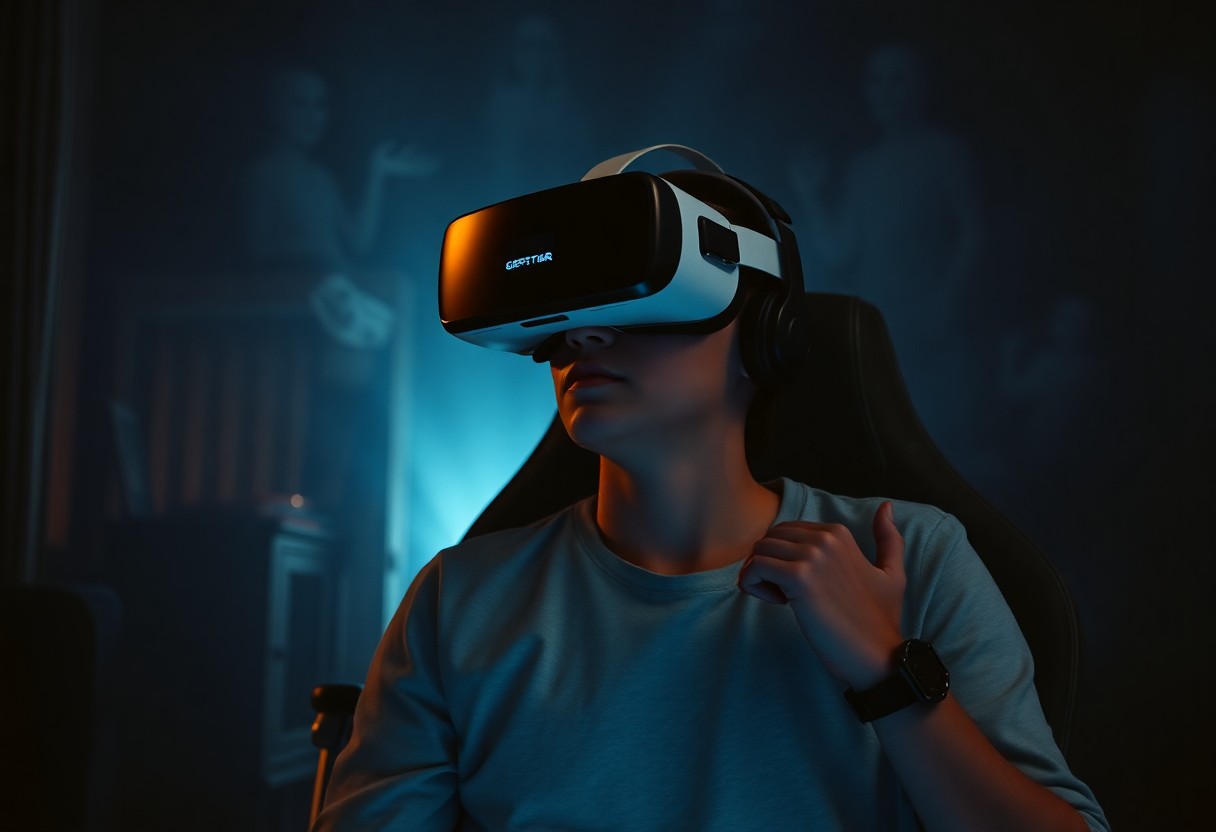
As you research into the world of virtual reality gaming, you’ll discover a new level of fear that’s more intense than ever before. Your gaming experience is about to take a dramatic turn, as immersive tech revolutionizes the horror genre. You’ll be fully engaged, with your senses heightened, making you feel like you’re part of the terrifying experience, not just a spectator. Get ready to explore how VR horror is redefining the boundaries of fear in gaming.

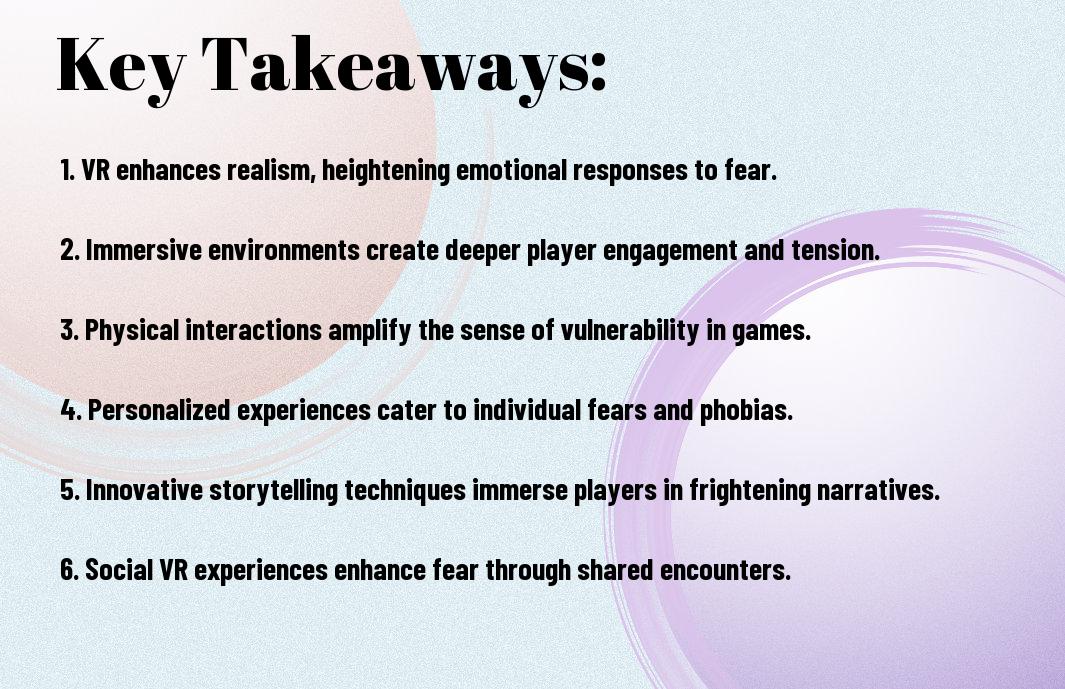
Key Takeaways:

  • Immersive technology is revolutionizing the horror gaming experience, allowing players to feel a deeper sense of fear and presence in virtual environments.
  • VR horror games are designed to exploit the player’s psychological vulnerabilities, creating a more intense and unsettling experience than traditional horror games.
  • The use of VR headsets and controllers enables players to interact with the game environment in a more physical way, increasing the sense of immersion and fear.
  • VR horror games often use subtle sound design and visuals to create a sense of tension and unease, rather than relying on jump scares and gore.
  • The immersive nature of VR horror games can lead to a stronger emotional response in players, making the experience more memorable and impactful.
  • Developers are experimenting with new techniques, such as dynamic sound propagation and realistic physics, to create a more realistic and terrifying experience.
  • The future of VR horror gaming holds significant potential for innovation and growth, with advancements in technology and design continuing to push the boundaries of what is possible in the genre.

The Psychology of Virtual Terror

Before stepping into the world of VR horror, you’ll want to understand how immersive tech is transforming fear in gaming, as seen in VR brings the scare back to gaming articles. This will help you appreciate the psychological aspects of virtual terror.

Spatial Presence and Fear Response

The sense of presence in VR environments can evoke a strong fear response, making you feel like you’re really there, experiencing the horror firsthand.

Sensory Manipulation in VR

After putting on a VR headset, you’ll notice how your senses are manipulated to create a terrifying experience, with sounds and visuals designed to scare you.

Presence in VR horror games is what makes them so effective at scaring you, as your brain processes the virtual world as real, triggering a genuine fear response, and you’ll find yourself fully immersed in the terrifying environment, with your senses heightened and your heart racing.

Evolution of Horror Gaming

Assuming you’re familiar with the horror genre, you’ve likely noticed significant changes in gaming over the years, with advancements in technology elevating the fear factor to new heights, and as you investigate into the world of VR horror, you’ll experience a new level of immersion.

From 2D to Virtual Reality

Virtually overnight, the gaming landscape has transformed, and as you explore the evolution of horror gaming, you’ll see how it has shifted from 2D to virtual reality, offering you a more immersive and terrifying experience.

Breaking the Fourth Wall

Across various platforms, horror games have become more sophisticated, and as you play, you’ll notice how they’re designed to break the fourth wall, making you feel like you’re an integral part of the game, with your heart racing and senses on high alert.

It is this breakdown of the barrier between the game and your reality that makes VR horror so effective, as you’re no longer just a passive player, but an active participant, with your movements and decisions influencing the outcome, and as you navigate through the virtual world, you’ll feel a sense of presence and tension that’s hard to shake off, leaving you wondering what’s real and what’s just a game.

Technical Elements of VR Horror

Now that you’re immersed in the world of VR horror, it’s time to explore the technical aspects that make it so terrifying. You’ll discover how advanced technologies come together to create an unforgettable experience.

Sound Design and Binaural Audio

About the sounds that surround you, binaural audio creates a 3D soundscape, making you feel like you’re part of the horror scene. You’ll feel every creak and groan, drawing you deeper into the game.

Motion Tracking and Player Vulnerability

With your every move tracked, you’ll feel vulnerable and exposed. You’ll be fully immersed in the game, with your movements influencing the experience.

Horror games using motion tracking put you in the midst of the action, making you feel like you’re fighting for survival. As you navigate through the virtual world, your movements will dictate the outcome, making you feel invested in the game. You’ll be on edge, anticipating what’s around the corner, and your physical actions will influence the horror that unfolds before you.

Physical and Mental Immersion

Many gamers are drawn to VR horror games because of their ability to create a sense of immersion, making you feel like you’re part of the game. This immersion can lead to a more intense experience, as your body and mind react to the virtual environment.

Body Response to Virtual Threats

Among the most significant effects of VR horror is the physical response it elicits, as you react to threats with a racing heart and sweaty palms, just as you would in real life.

Psychological Boundaries in VR

After entering a VR world, you may find that your psychological boundaries are pushed, making you question what’s real and what’s not, and leaving a lasting impression long after you’ve removed your headset.

For instance, as you navigate a VR horror game, you’ll encounter situations that challenge your perceptions and force you to confront your deepest fears, making you wonder how your mind can be so effectively tricked into believing the virtual world is real, and leaving you to ponder the implications of this technology on your mental state.

Design Principles of VR Horror

After delving into the world of VR horror, you’ll find that it’s an entirely new level of fear. You can learn more about The Future of Horror Gaming for Gamers and how it’s changing the game. As you explore VR horror, you’ll discover new design principles that enhance your experience.

Environmental Storytelling

Horrific environments play a significant role in VR horror, as you navigate through terrifying spaces that tell a story. You’ll find that the atmosphere and setting are designed to unsettle you, making your experience even more intense.

Player Agency and Control

Environmentally, you’ll notice that your control and agency are limited, making you feel vulnerable. You’ll have to make choices that impact your survival, and this sense of control is what makes VR horror so immersive.

Hence, as you progress through a VR horror game, you’ll realize that your agency and control are constantly being tested. You’ll have to adapt to new situations, and the limited control will keep you on edge, making the experience even more terrifying. You’ll be fully immersed in the game, and the fear will be more intense than ever before.

The Future of Virtual Fear

To experience the next level of horror in gaming, you’ll need to embrace the latest advancements in virtual reality technology. As VR continues to evolve, you can expect even more immersive and terrifying experiences that will push your fear to new limits.

Neural Feedback Integration

One of the most exciting developments in VR horror is the integration of neural feedback, which allows your brain activity to influence the game. You’ll be able to experience fear in a more personalized way, as your physical responses affect the gameplay.

Social Horror Experiences

Above all, social horror experiences are becoming increasingly popular, allowing you to share the fear with friends and family. You’ll be able to explore terrifying environments and solve puzzles together, making the experience even more intense and thrilling.

This social aspect of VR horror gaming takes the fear to a whole new level, as you’ll be able to see and interact with your fellow players in real-time, creating a sense of camaraderie and shared terror that’s hard to find in single-player games. You’ll be able to communicate with each other, work together to overcome challenges, and experience the fear together, making it a truly unique and unforgettable experience.

To wrap up

Conclusively, as you explore into the world of VR horror, you’ll find that immersive tech is transforming your gaming experience. You’ll discover that fear is more intense and personal, making your heart race and your senses heightened. Your perception of horror games will shift, and you’ll appreciate the innovative ways developers are using VR to scare you, pushing the boundaries of what you thought was possible in gaming.

FAQ

Q: What is VR horror and how is it changing the gaming experience?

A: VR horror is a genre of video games that utilizes virtual reality technology to create an immersive and frightening experience for players. This technology is transforming fear in gaming by allowing players to step into the game environment and become an active participant, rather than just a passive observer. With VR horror, players can explore terrifying environments, interact with frightening characters, and experience fear in a more visceral and intense way than traditional gaming. The immersive nature of VR technology allows players to feel like they are truly part of the game, making the experience even more thrilling and terrifying.

Q: How does VR horror achieve such a high level of immersion and fear?

A: VR horror achieves a high level of immersion and fear through a combination of advanced technologies, including 3D graphics, spatial audio, and motion tracking. These technologies work together to create a seamless and realistic experience, allowing players to feel like they are truly present in the game environment. Additionally, VR horror games often use psychological manipulation and clever game design to create a sense of tension and fear, making players feel vulnerable and on edge. The use of realistic sound effects, creepy atmospheres, and shocking moments of terror all contribute to an experience that is both frightening and exhilarating.

Q: What are the benefits of VR horror games, and why are they becoming so popular?

A: The benefits of VR horror games include a unique and intense gaming experience that is unlike anything else in the gaming world. Players can enjoy a thrilling and terrifying experience that is both entertaining and emotionally challenging. VR horror games are also becoming popular because they offer a new way for gamers to experience fear and adrenaline, allowing them to confront and overcome their fears in a safe and controlled environment. Furthermore, the social aspect of VR horror games, such as playing with friends or sharing experiences online, is also a major draw for many players, making VR horror a rapidly growing and exciting genre in the gaming industry.

Fashion and Gaming – The Crossroads of Virtual and Real-World Style

As you explore the realms of fashion and gaming, you’ll notice a fascinating intersection of virtual and real-world style. You’ll see how your favorite games influence your wardrobe choices and how fashion designers draw inspiration from gaming characters. Your understanding of this crossroads will help you appreciate the evolving landscape of style and its impact on your daily life, as the boundaries between the virtual and real worlds continue to blur.

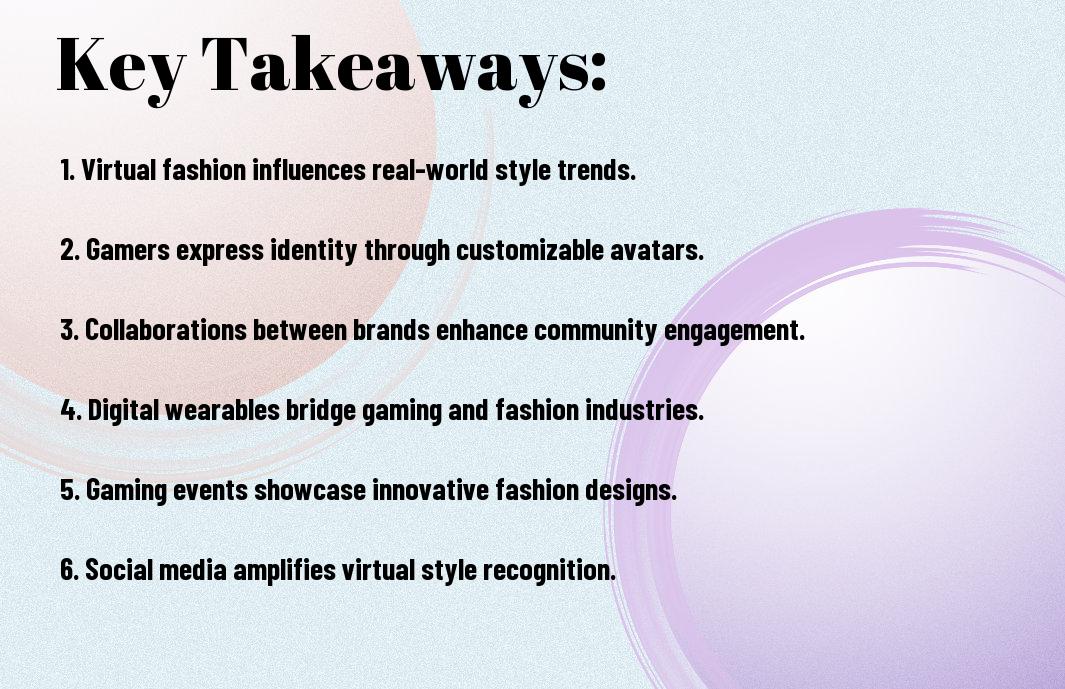
Key Takeaways:

  • The intersection of fashion and gaming has given rise to a new era of virtual and real-world style, where digital avatars and online personas are influencing fashion trends and consumer behavior.
  • Gamers are increasingly expressing themselves through virtual fashion, with many games offering customizable characters and digital clothing items that can be purchased or earned in-game.
  • The lines between virtual and real-world fashion are becoming blurred, with fashion brands partnering with gaming companies to create limited-edition clothing and accessories inspired by popular games.
  • Virtual try-on and augmented reality (AR) technology are being used to enhance the online shopping experience, allowing consumers to try on virtual clothing and see how it would look on them without having to physically visit a store.
  • Gaming influencers and streamers are becoming fashion influencers, showcasing the latest gaming-inspired fashion trends and collaborating with fashion brands to promote their products.
  • The fashion and gaming industries are driving innovation in sustainable fashion, with digital clothing and virtual try-on reducing waste and the environmental impact of fast fashion.
  • The crossroads of fashion and gaming is creating new business opportunities, from virtual fashion design and production to e-commerce and marketing, and is expected to continue to shape the future of the fashion industry.

Digital Runways

A new era of fashion has emerged, where the boundaries between the physical and virtual worlds are blurring, and you can experience the latest trends in a completely digital environment.

Virtual Fashion Shows

Allying technology and style, virtual fashion shows allow you to witness the latest designs from the comfort of your own space, giving you a unique perspective on the fashion industry.

Gaming Platforms as Style Venues

Tapping into the vast world of gaming, you can now explore your sense of style within virtual platforms, where fashion and gaming intersect, offering you a new way to express yourself.

For instance, you can create your own avatar and dress it in the latest virtual clothing, allowing you to experiment with different styles and trends, and even influence the real-world fashion industry with your virtual choices.

Gaming Aesthetics in Contemporary Fashion

Even as a casual observer, you can notice the significant impact of gaming aesthetics on contemporary fashion, with designers incorporating elements of virtual worlds into their collections, reflecting your desire for immersive and interactive experiences.

Cyberpunk Influences

Against the backdrop of futuristic landscapes, you see cyberpunk influences dominating the runways, with neon hues, metallic accents, and avant-garde silhouettes that transport you to a world of high-tech fantasy, echoing your fascination with the genre’s dark, edgy vibe.

Character Design Impact

At the heart of gaming’s influence on fashion lies character design, where you find inspiration in the stylized, larger-than-life personas that inhabit virtual worlds, with their elaborate costumes and accessories that spark your imagination and influence your style choices.

Influences from character design can be seen in your wardrobe, as you incorporate bold, statement pieces and eclectic mixes of textures and colors, reflecting the creativity and experimentation that defines gaming’s approach to fashion, allowing you to express your personality and showcase your unique sense of style.

Fashion Brands in Gaming

Many fashion brands are now exploring the gaming world, and you can see their influence in various virtual environments. You’ll notice that your favorite fashion brands are collaborating with game developers to create unique experiences.

Luxury Labels Digital Ventures

Alike numerous other industries, luxury fashion brands are investing in digital ventures, allowing you to engage with your favorite brands in new and innovative ways, such as virtual try-on and online gaming experiences.

In-Game Fashion Collections

Fashionably, in-game fashion collections are becoming increasingly popular, enabling you to customize your avatars with the latest styles and trends, and you can even purchase virtual clothing and accessories from your favorite brands.

For instance, you can explore virtual fashion collections, purchase in-game items, and even participate in virtual fashion shows, all of which allow you to express your personal style and showcase your favorite fashion brands in a virtual environment, giving you a unique and immersive experience.

Virtual Influencers

After exploring the world of virtual fashion, you’ll notice the rise of digital influencers who showcase the latest trends in virtual clothing and accessories, allowing you to stay updated on the latest styles and must-haves.

Digital Models

The emergence of digital models has changed the face of the fashion industry, enabling you to see how virtual clothing would look on a virtual body, and helping you make informed purchasing decisions.

Gaming Characters as Style Icons

On the virtual catwalk, gaming characters are becoming style icons, inspiring you to recreate their looks in your own virtual or real-world wardrobe, and influencing your fashion choices.

A closer look at gaming characters as style icons reveals that you can draw inspiration from their bold and eclectic styles, experimenting with new combinations of virtual clothing and accessories to create a unique look that reflects your personality and aesthetic, and allowing you to express yourself in new and exciting ways.

Real-World Gaming Fashion

Now, as you explore the intersection of fashion and gaming, you’ll notice that real-world gaming fashion has become a significant aspect of the industry. You can see this influence in the way gamers and non-gamers alike incorporate gaming-inspired elements into their daily style.

Streetwear Crossovers

Among the various ways gaming influences fashion, you’ll find that streetwear crossovers are particularly popular. You can see this in the collaborations between gaming companies and fashion brands, resulting in unique and stylish clothing items that appeal to both gamers and fashion enthusiasts.

Cosplay Impact on Mainstream Fashion

Above streetwear, you’ll discover that cosplay has a significant impact on mainstream fashion. You can observe this in the way cosplay inspires designers to create clothing items that are both functional and fashionable, often blurring the lines between fantasy and reality.

RealWorld applications of cosplay-inspired fashion are becoming increasingly evident, as you can see elements of cosplay in high-end fashion designs, runway shows, and even in your own wardrobe. You can take inspiration from cosplay to create your own unique style, combining fantasy and reality to express your personality and showcase your love for gaming and fashion.

Digital Fashion Economy

Despite the rise of virtual worlds, you can now participate in the digital fashion economy, where your style knows no bounds. You can create, buy, and sell digital clothing, accessories, and even entire virtual wardrobes.

Virtual Clothing Market

Besides the physical fashion market, you have a vast virtual clothing market at your fingertips, where you can purchase and wear digital garments, often with real-world designer collaborations.

NFT Fashion Items

Fashionably, you can now own unique digital fashion items, such as NFTs, which prove ownership and scarcity of your virtual garments, allowing you to showcase your style in new and innovative ways.

Digital ownership of NFT fashion items gives you the freedom to wear, collect, and trade unique digital garments, and as you explore this emerging market, you’ll find that your virtual style can be just as expressive and valuable as your real-world wardrobe, with the added benefit of being able to showcase your NFTs across various virtual platforms and communities.

Conclusion

To wrap up, you have seen the intersection of fashion and gaming, where your virtual and real-world styles converge. As you explore this crossroads, you can express your personality through avatars and in-game clothing, influencing your real-life fashion choices. Your experience in virtual worlds can inspire your everyday style, blurring the lines between the two. You can now seamlessly transition between your online and offline personas, creating a unique fusion of fashion and gaming that reflects your individuality.

FAQ

Q: What is the relationship between fashion and gaming, and how are they intersecting in the virtual and real-world spaces?

A: The relationship between fashion and gaming is becoming increasingly intertwined, with both industries influencing each other in significant ways. In the virtual world, games are incorporating high-end fashion brands and styles, allowing players to express themselves through their avatars. Conversely, real-world fashion is being inspired by the creativity and innovation of virtual gaming environments. This crossroads of virtual and real-world style is giving rise to new trends, collaborations, and business opportunities, blurring the lines between the two industries and creating a new era of fashion and gaming convergence.

Q: How are fashion brands leveraging gaming platforms to reach new audiences and promote their products?

A: Fashion brands are leveraging gaming platforms in various ways to reach new audiences and promote their products. For instance, some brands are partnering with popular gamers and influencers to showcase their clothing and accessories in virtual environments. Others are creating their own virtual clothing lines and accessories that can be purchased and worn by avatars in games. Additionally, fashion brands are using gaming platforms to host virtual fashion shows, events, and experiences, allowing them to connect with a younger demographic and build brand awareness in a unique and engaging way.

Q: What impact is the intersection of fashion and gaming having on the way we think about identity, self-expression, and community in both virtual and real-world contexts?

A: The intersection of fashion and gaming is having a significant impact on the way we think about identity, self-expression, and community in both virtual and real-world contexts. In virtual environments, players are able to experiment with different identities and styles, free from the constraints of the physical world. This is allowing people to express themselves in new and innovative ways, and to connect with others who share similar interests and passions. In the real world, the influence of gaming on fashion is leading to a more playful and experimental approach to style, with people incorporating elements of gaming culture into their everyday lives. Overall, the intersection of fashion and gaming is expanding our understanding of identity, self-expression, and community, and is creating new opportunities for people to connect and express themselves in both virtual and real-world spaces.

HT-fff Skip to content