Uncategorized

A History of Video Games – From Arcades to Consoles

As you explore the world of gaming, you’ll discover a rich history that spans decades. You’ll learn about the evolution of video games, from their humble beginnings in arcades to the sophisticated consoles you use today. Your journey will take you through the iconic games and characters that shaped the industry, and you’ll gain a deeper understanding of how video games have become an integral part of your entertainment landscape.

Key Takeaways:

  • The evolution of video games has been shaped by advancements in technology, leading to a transition from arcade machines to home consoles and eventually to online gaming platforms, offering a wider range of gaming experiences.
  • The introduction of iconic consoles such as the Nintendo Entertainment System (NES) and the Sony PlayStation played a significant role in popularizing home gaming, bringing beloved characters and games into living rooms worldwide.
  • The history of video games is marked by innovation and experimentation, with various genres and gameplay styles emerging over the years, from classic arcade shooters to immersive role-playing games and multiplayer online experiences.

The Dawn of Arcade Gaming

For your journey through the history of video games, it’s vital to understand the significance of arcade gaming, which marked the beginning of the industry’s growth.

Pong and the First Wave

Amidst the emergence of new technologies, you’ll find that Atari’s Pong, released in 1972, was one of the first successful arcade games, paving the way for your exploration of the early days of gaming.

The Golden Age of Arcades

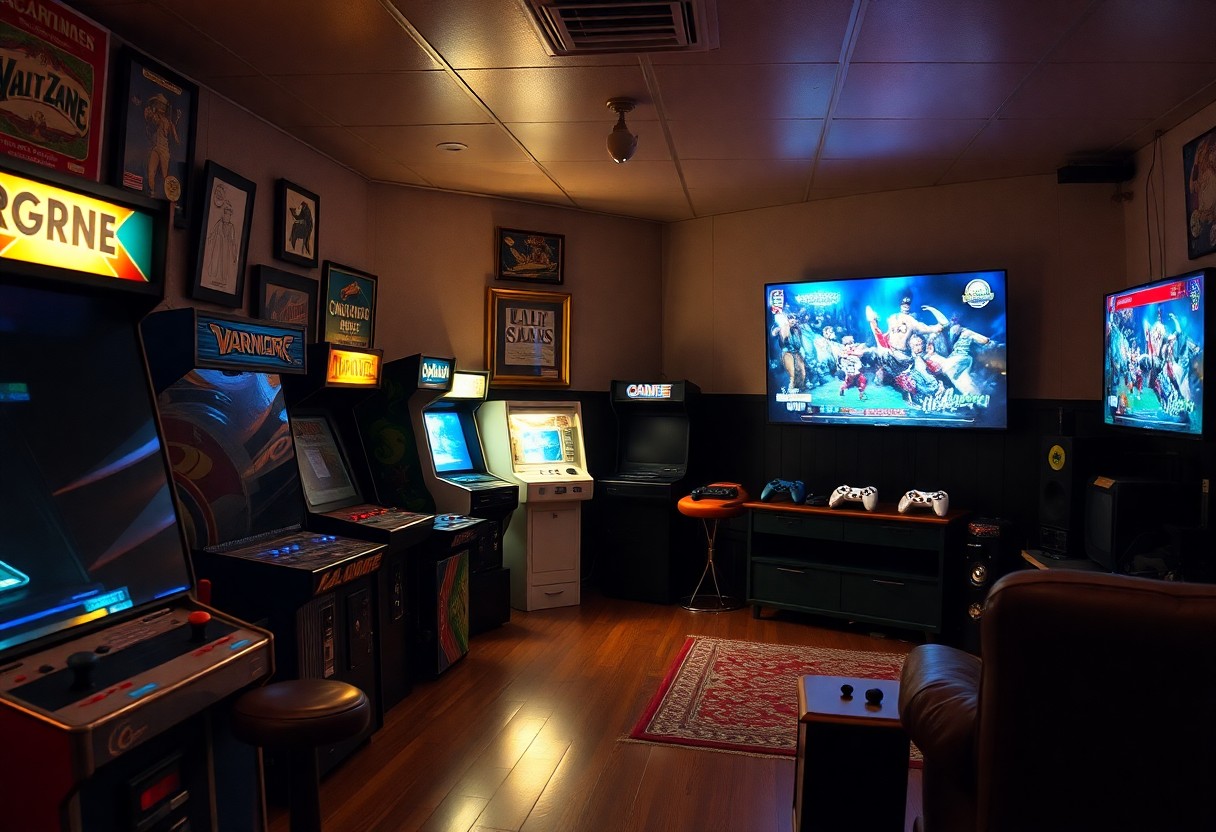
Before diving deeper into the world of console gaming, you should know that the late 1970s to the mid-1980s are often referred to as the Golden Age of Arcades, a period that saw the release of iconic games like Space Invaders and Pac-Man.

Hence, as you explore this era, you’ll discover that the Golden Age of Arcades was a time of great innovation, with games becoming increasingly sophisticated, and arcades becoming popular hangouts for people of all ages, shaping your understanding of the industry’s evolution.

Home Console Revolution

Clearly, the introduction of home consoles marked a significant shift in the gaming industry, allowing you to experience your favorite arcade games from the comfort of your own home.

Atari and Early Competitors

At this point, Atari was a leading player, and you had a range of options to choose from, including the Atari 2600 and Intellivision, which offered you a variety of games to enjoy.

The Great Gaming Crash of 1983

Among the factors that contributed to the crash, you’ll find a flooded market and poor game quality, which led to a significant decline in sales and a loss of confidence in the industry.

The Great Gaming Crash of 1983 had a lasting impact on the industry, and as you explore this period, you’ll see how it led to a major restructuring of the market, with many companies going bankrupt or being sold, and you can learn from the mistakes of the past to understand how the industry recovered and evolved into what it is today.
Nintendo’s Game-Changing Era

Keep in mind that Nintendo’s impact on the gaming industry was significant, as you can learn more about in From Arcade to Console: The Evolution of Video Game Technology, which shaped your gaming experience.

The NES Renaissance

Before submerging into the details, you’ll find that the NES brought a resurgence in home console gaming, offering you a wide range of iconic games that still influence your gaming experience today.

Game Boy and Portable Gaming

Game-changing moments in gaming history include the introduction of the Game Boy, which allowed you to play games on-the-go, revolutionizing your gaming habits.

For instance, the Game Boy’s impact on portable gaming was massive, enabling you to play games like Tetris and Pokémon anywhere, anytime, and this freedom has since become a staple of your gaming experience, with modern handheld consoles continuing to innovate and improve upon this concept, giving you even more options to enjoy your favorite games.

The 16-bit Wars

Now, as you examine into the world of 16-bit gaming, you’ll find a plethora of information in books like A History of Videogames: In 14 Consoles, 5 Computers, 2 Arcades, which provides a comprehensive overview of the era. This period was marked by intense competition between console manufacturers.

Super Nintendo vs. Sega Genesis

On the forefront of this battle were the Super Nintendo and Sega Genesis, each vying for your attention with their unique games and features. You had to choose between iconic characters and gameplay styles that defined the era.

Rise of Gaming Mascots

Around this time, you started to see the emergence of gaming mascots, such as Sonic the Hedgehog and Mario, who became synonymous with their respective consoles. These characters helped to shape your gaming experience and influenced the industry as a whole.

Also, as you explore the rise of gaming mascots, you’ll notice how they not only represented their games but also became cultural icons, appearing in various forms of media beyond video games. You can see how these mascots played a significant role in shaping the identity of their respective consoles and the gaming industry, making them an integral part of your gaming history.

3D Gaming Evolution

Your journey through the history of video games now takes you to the era of 3D gaming, where you’ll experience a significant shift in gameplay and graphics.

PlayStation’s Market Disruption

Between the introduction of 3D graphics and the rise of console wars, you’ll notice how PlayStation disrupted the market with its CD-ROM technology and 3D capabilities.

Nintendo 64 and 3D Innovation

PlayStations may have popularized 3D gaming, but you’ll see how Nintendo 64 innovated with its 3D controller and iconic games like Super Mario 64, setting a new standard for 3D platformers.

Further exploration of Nintendo 64’s 3D innovation reveals that you can appreciate the console’s impact on the industry, as it introduced analog stick controls and Z-buffering, enhancing your 3D gaming experience with smoother graphics and more precise character movement.

Modern Gaming Landscape

Unlike the early days of gaming, you now have access to a vast array of gaming options. You can learn more about the evolution of gaming by visiting the history of arcade video games to understand how the industry has transformed over time.

Console Wars in the Digital Age

The rise of digital gaming has led to intense competition among console manufacturers, and you can see this play out in the market as companies vie for your attention with exclusive titles and innovative hardware.

Mobile Gaming Integration

An interesting development in modern gaming is the integration of mobile devices, allowing you to play games on-the-go and access a wide range of titles from your smartphone or tablet.

But as you investigate deeper into mobile gaming, you’ll find that it offers more than just convenience, with many games designed specifically to take advantage of mobile devices’ unique capabilities, such as touch screens and location-based services, providing you with a unique gaming experience that complements your console or PC gaming habits.

Conclusion

On the whole, you have seen the evolution of video games from arcades to consoles. You now understand how your gaming experience has been shaped by technological advancements. Your journey through the history of video games has equipped you with knowledge of the industry’s transformation over time, allowing you to appreciate the complexity of your favorite games.

FAQ

Q: What were the first video games and when did they originate?

A: The first video games emerged in the 1950s and 1960s, with the development of simple computer games such as “Tennis for Two” and “Spacewar!”. These early games were played on mainframe computers and were primarily used for research and entertainment purposes. The first commercial video game, “Computer Space”, was released in 1971, but it was not until the release of “Pong” in 1972 that video games began to gain popularity.

Q: How did arcades contribute to the growth of the video game industry?

A: Arcades played a significant role in the growth of the video game industry in the 1970s and 1980s. They provided a public space where people could play and experience new games, and they helped to popularize iconic games such as “Pac-Man”, “Donkey Kong”, and “Galaga”. Arcades also served as a testing ground for new games and technologies, allowing developers to refine their products and gauge consumer interest.

Q: What were some of the key factors that led to the transition from arcades to home consoles?

A: Several factors contributed to the shift from arcades to home consoles, including advancements in technology, changes in consumer behavior, and the introduction of new business models. The development of more powerful and affordable home consoles, such as the Atari 2600 and the Nintendo Entertainment System (NES), made it possible for people to play high-quality games in the comfort of their own homes. Additionally, the rise of home computers and the introduction of cartridge-based systems made it easier for consumers to purchase and play games at home.

Q: How did the introduction of 3D graphics and CD-ROM technology impact the video game industry?

A: The introduction of 3D graphics and CD-ROM technology in the 1990s revolutionized the video game industry. Games such as “Super Mario 64” and “The Legend of Zelda: Ocarina of Time” showcased the potential of 3D gaming, while the use of CD-ROM technology enabled developers to create games with richer soundtracks, fuller stories, and more complex gameplay mechanics. This led to the creation of more immersive and engaging gaming experiences, and helped to establish the video game industry as a major player in the entertainment sector.

Q: What is the current state of the video game industry, and how has it evolved over time?

A: The video game industry has undergone significant changes over the years, with the rise of online gaming, mobile devices, and virtual reality (VR) and augmented reality (AR) technologies. Today, the industry is characterized by a diverse range of platforms, including PCs, consoles, and mobile devices, and a wide variety of game genres and styles. The industry has also become more global and interconnected, with developers and players from around the world contributing to the creation and enjoyment of games. As technology continues to advance, the video game industry is likely to continue evolving, with new innovations and trends emerging in the years to come.


Hidden Gems – The Most Underrated Video Games

As you explore into the world of video games, you may find yourself playing the same popular titles as everyone else. However, you might be missing out on some incredible experiences. Your gaming library can be elevated by discovering hidden gems that have flown under the radar. You will learn about these underrated games, and how they can enhance your gaming experience, in this post. Get ready to uncover new favorites and expand your gaming horizons.

Key Takeaways:

  • Exploring hidden gems in video games can lead to the discovery of unique and engaging gaming experiences that may have been overlooked by the mainstream gaming community, offering a fresh perspective and new favorites.
  • These underrated games often feature innovative gameplay mechanics, rich storytelling, and immersive worlds, making them worth playing for gamers looking to venture beyond popular titles and explore the full scope of the gaming universe.
  • Delving into hidden gems can also support independent game developers and smaller studios, helping to promote diversity and creativity in the gaming industry, and potentially uncovering the next big thing in gaming before it gains widespread popularity.

The Forgotten Pioneers

While exploring the world of underrated video games, you’ll stumble upon pioneers that paved the way for modern gaming. These hidden gems are often overlooked, but they deserve your attention. They introduced innovative mechanics and storytelling, influencing the industry as a whole.

Early Gaming Era Masterpieces

By delving into the past, you’ll discover games that were ahead of their time. These masterpieces showcased exceptional gameplay, graphics, and sound design, setting the standard for future releases. You’ll appreciate the nostalgia and historical significance they bring to the table.

Lost in the Marketing Shuffle

Initially, you might find it challenging to uncover games that got lost in the marketing shuffle. These titles, despite their quality, failed to gain the attention they deserved due to poor marketing or being overshadowed by more popular releases.

Consequently, you’ll need to dig deeper to find these hidden gems, but the experience will be rewarding. You’ll discover unique stories, engaging characters, and innovative gameplay mechanics that will make you wonder why they didn’t receive more attention. Your gaming library will thank you for unearthing these lost treasures, and you’ll gain a new appreciation for the art of game development.

Indie Treasures

Any avid gamer knows that some of the best games come from independent studios. You can find discussions about these hidden gems on forums like Hidden Gems or Underrated Games you played in 2024 Black Friday recommendations, where you can discover new titles to add to your collection.

Small Studios, Big Impact

Around the time you start exploring indie games, you’ll notice that small studios can have a significant impact on the gaming industry, producing unique and engaging experiences that rival those of larger developers.

Genre-Defying Innovations

Treasures like indie games often blend genres, creating something entirely new and exciting, allowing you to experience fresh gameplay mechanics and storylines that you won’t find elsewhere.

To further explore genre-defying innovations, you’ll find that these games often push the boundaries of what you expect from a particular genre, combining elements in innovative ways to create a truly unique experience that will keep you engaged and eager to see what’s next, as you investigate into the world of indie treasures, you’ll discover a plethora of exciting games that will challenge your perceptions and broaden your gaming horizons.

International Obscurities

Unlike popular titles, international obscurities offer a unique gaming experience. You can discover new genres, gameplay mechanics, and stories that are not commonly found in mainstream games. Your gaming library will benefit from these hidden gems.

Japanese Hidden Classics

With a rich gaming history, Japan has produced many underrated titles. You will find games like “Vagrant Story” and “Terranigma” that are still worth playing today. Your exploration of these classics will be rewarding.

European Gaming Gems

Gaming enthusiasts often overlook European games, but you can find some amazing titles. You will discover games like “The Whispered World” and “The Next BIG Thing” that offer engaging stories and gameplay. Your experience will be enhanced by these hidden gems.

Hence, as you probe deeper into European gaming gems, you will notice a distinct style and flair that sets them apart from other games. You will appreciate the attention to detail and the passion that European developers bring to their projects, making your gaming experience even more enjoyable and enriching.

Genre Breakthroughs

Many games have pushed the boundaries of their respective genres, offering unique experiences that you won’t find elsewhere. You can discover new favorites by exploring these hidden gems, which have made significant contributions to the gaming industry.

Experimental Gameplay Mechanics

By introducing innovative mechanics, some games have redefined the way you interact with virtual worlds. You’ll find fresh ideas and exciting challenges in these titles, which have paved the way for future game development.

Narrative Innovation Leaders

About the most engaging stories in games, you’ll find that some titles have set new standards for storytelling. You can expect complex characters, unexpected plot twists, and emotional connections that will leave a lasting impression on you.

And as you investigate deeper into the world of narrative innovation leaders, you’ll notice that these games often feature player choice and consequence, allowing you to shape the story and its outcome. You’ll become invested in the characters and their struggles, making the experience even more immersive and personal.

Technical Achievements

After exploring the world of hidden gems, you’ll find that some games boast impressive technical achievements. You can discover more about these overlooked titles on Under the Radar – Hidden gems of the gaming world lists, which highlight innovative games that flew under the radar.

Ahead of Their Time

Toward the forefront of innovation, you’ll notice games that were ahead of their time, featuring concepts and mechanics that would later become standard in the industry, influencing your gaming experience.

Revolutionary Features

Among the most notable aspects of these hidden gems are their revolutionary features, which often introduced new gameplay mechanics, graphics, or sound design that enhanced your overall gaming experience.

Consequently, as you explore into these technical achievements, you’ll appreciate the groundbreaking work that went into creating these games, and how they have contributed to the evolution of the gaming industry, ultimately shaping your expectations for future games.

Cultural Impact

To understand the significance of underrated games, you can explore lists like the 26 Most Underrated Games Of The 21st Century, which highlights hidden gems. You’ll find that these games have made a lasting impact on the industry.

Influential Yet Overlooked

Akin to a sleeper hit, some games fly under the radar despite their innovative mechanics. You’ll discover that these games have influenced your favorite titles in subtle yet significant ways.

Community Cult Favorites

Similarly influential, community-driven games have garnered a loyal following. You’ll notice that these games have become cult classics, with your fellow gamers passionately advocating for their recognition.

Further, as you probe into the world of community cult favorites, you’ll find that these games often offer unique experiences that resonate with you on a deeper level, making them a staple in your gaming library and sparking interesting discussions with your peers.

Summing up

Hence, as you explore the world of video games, you’ll find that your experience is enriched by discovering hidden gems. You’ll uncover unique stories, engaging gameplay, and innovative mechanics that set them apart from popular titles. By giving these underrated games a chance, you’ll broaden your gaming horizons and experience something new and exciting, making your gaming journey even more enjoyable and fulfilling.

FAQ

Q: What are some hidden gems in the world of video games that I might have missed?

A: There are several hidden gems in the world of video games that are often overlooked, but are definitely worth playing. Some examples include “Hyper Light Drifter”, a top-down action game with a beautiful pixel art style, “Night in the Woods”, a narrative-driven adventure game that explores themes of mental health and small-town life, and “The Swapper”, a puzzle game that allows players to create clones and solve complex puzzles. These games may not have received the same level of attention as some of the more popular titles, but they are all highly rated and offer unique gaming experiences.

Q: What makes a video game a “hidden gem”?

A: A video game is considered a hidden gem when it is a high-quality game that has not received the level of recognition or attention that it deserves. This can be due to a variety of factors, such as a small marketing budget, a lack of mainstream appeal, or simply being overshadowed by more popular games in the same genre. Hidden gems can be found in all genres and platforms, and are often discovered through word of mouth or online communities.

Q: How can I find hidden gems in the world of video games?

A: There are several ways to find hidden gems in the world of video games. One way is to follow online gaming communities, such as Reddit’s r/gaming, where users often share and discuss their favorite games. You can also check out gaming blogs and websites, such as IGN or GameSpot, which often feature articles and reviews of lesser-known games. Additionally, you can look for games that have received high ratings on platforms like Steam or GOG, but have not received a lot of mainstream attention.

Q: Are hidden gems only found on PC, or can they be found on consoles as well?

A: Hidden gems can be found on all platforms, including PC, consoles, and even mobile devices. While PC is often considered a hub for indie games and hidden gems, there are many great games available on consoles like the PlayStation, Xbox, and Nintendo Switch that are worth checking out. Some examples of hidden gems on consoles include “What Remains of Edith Finch” on PlayStation 4, “Ori and the Blind Forest” on Xbox One, and “Stardew Valley” on Nintendo Switch.

Q: Can hidden gems be just as engaging and enjoyable as more popular games?

A: Absolutely! Hidden gems can be just as engaging and enjoyable as more popular games, and often offer unique experiences that can’t be found in more mainstream titles. Many hidden gems have received high praise from critics and players alike, and have been known to provide hours of entertainment and enjoyment. In fact, some hidden gems have even gone on to become cult classics, with dedicated fan bases and communities. So, if you’re looking to try something new and exciting, don’t be afraid to venture off the beaten path and explore the world of hidden gems!

Soundtracks That Define Eras – Music in Video Games

As you explore the world of video games, you’ll notice that music plays a significant role in shaping your experience. You’ll find that certain soundtracks evoke nostalgia and transport you back to a specific time and place. Your favorite games are often defined by their iconic scores, which have become an integral part of your gaming culture. In this post, you’ll discover how soundtracks have defined eras in video games and explore the impact they’ve had on your gaming journey.

Key Takeaways:

  • Iconic video game soundtracks have the power to evoke strong emotions and nostalgia, transporting listeners back to a specific time and place, and are often deeply intertwined with the gaming experience.
  • The evolution of video game music has mirrored advancements in technology, from chiptune melodies to fully orchestrated scores, enhancing the overall immersion and engagement of players.
  • Soundtracks in video games can also influence the mood and atmosphere of a game, with composers carefully crafting music to complement gameplay, storyline, and character development, resulting in a more engaging and memorable experience.

    The Golden Age of 8-bit Melodies

    Before stepping into the world of 8-bit soundtracks, you’ll notice that this era was marked by simplicity and ingenuity. You’ll find that composers were able to create iconic themes with limited resources, which has become a defining characteristic of this era.

    Nintendo’s Revolutionary Sound Design

    Any gamer will appreciate the innovative approach Nintendo took with their sound design. You’ll discover that their use of 8-bit melodies not only enhanced gameplay but also helped to establish the identity of their iconic characters.

    The Impact of Limited Technology

    Along with the technical constraints of 8-bit systems, you’ll see that composers had to rely on creativity to produce memorable soundtracks. You’ll notice that the limitations actually drove innovation, resulting in unique and catchy melodies that still resonate with you today.

    Plus, as you explore the music of this era, you’ll find that the limited technology led to a distinct sound that is still emulated today. You’ll notice that the chiptune genre, which emerged from 8-bit music, has gained a significant following and is often used in modern video games and music productions, allowing you to experience the nostalgia of 8-bit melodies in new and exciting ways.

    The Rise of Orchestral Gaming

    There’s a notable shift in video game soundtracks as you explore the evolution of music in gaming, with orchestral scores becoming increasingly popular, enhancing your overall gaming experience.

    Final Fantasy’s Musical Legacy

    Around the time of Final Fantasy’s release, you’ll notice a significant impact on the gaming industry, as the series’ iconic themes and leitmotifs set a new standard for your expectations of video game music.

    Cinematic Scores in Action Games

    Above all, cinematic scores in action games have revolutionized the way you engage with your favorite titles, drawing you into the game’s world with complex, layered soundtracks.

    Action games, in particular, have benefited from the incorporation of cinematic scores, as you’ll find that the music perfectly complements the on-screen action, creating a more immersive experience, and you’ll appreciate how the score adapts to your progress, responding to your actions and decisions, further enhancing your emotional investment in the game.

    Electronic Evolution in Gaming

    All gamers have witnessed the significant impact of electronic music on the gaming industry. You can notice the shift in soundtracks from traditional orchestral scores to electronic compositions, which have become an integral part of your gaming experience.

    Synthesizer Revolution

    Beyond the early days of gaming, you’ll find that synthesizers played a significant role in shaping the sound of video games, offering a unique and otherworldly sound that enhanced your immersion in the game.

    Dynamic Audio Systems

    Beside the static soundtracks, you’ll discover that dynamic audio systems have changed the way you interact with games, adapting to your actions and creating a more engaging experience.

    Audio technologies have advanced significantly, allowing for more complex and interactive soundtracks that respond to your decisions and actions in the game, making your experience even more realistic and immersive, and you can expect this technology to continue evolving in the future, further enhancing your gaming experience.

    Genre-Defining Soundtracks

    For your journey through the world of video game soundtracks, you’ll notice that certain genres have been shaped by their iconic scores, transporting you to new dimensions and elevating your gaming experience.

    RPG Musical Storytelling

    Beneath the surface of role-playing games, you’ll find that music plays a significant role in storytelling, drawing you into the narrative and making your adventures even more immersive and engaging, as you explore vast virtual worlds.

    Horror Game Audio Innovation

    Aurally, horror games have consistently pushed the boundaries of sound design, using eerie silences and haunting melodies to create an unsettling atmosphere that keeps you on edge, making your experience even more terrifying and thrilling.

    This innovation in horror game audio has led to the development of new techniques and technologies, allowing developers to craft a more immersive and frightening experience for you, with sound effects and music that respond to your actions, creating a truly dynamic and terrifying experience that draws you deeper into the game’s dark world.

    Cultural Impact and Recognition

    Now, as you explore the world of video game soundtracks, you’ll find that their influence extends beyond the gaming community, with many considering them an integral part of pop culture, as seen in A Look into the Evolution of Video Game Music, which showcases their growth over time.

    Concert Performances and Adaptations

    Alongside the rise of video game soundtracks, you’ll notice that concert performances and adaptations have become increasingly popular, allowing you to experience your favorite scores in a whole new way, with orchestras and musicians bringing the music to life.

    Grammy Recognition and Mainstream Appeal

    The impact of video game soundtracks on mainstream music is undeniable, as you’ve likely noticed the growing number of soundtracks being nominated for and winning prestigious awards, a testament to their quality and appeal.

    In addition, as you research deeper into the world of video game soundtracks, you’ll discover that their recognition by the Grammy Awards has not only elevated their status but also introduced them to a broader audience, making them an integral part of your musical landscape, with many soundtracks now being considered on par with those from films and television shows, further solidifying their place in the music industry.

    Modern Gaming Audio

    Many modern games boast soundtracks that are just as engaging as their visuals, drawing you into the game world and enhancing your overall experience. You’ll find that these soundtracks often feature a mix of orchestral and electronic elements, creating a unique sound that complements the game’s atmosphere and tone.

    Interactive Soundscapes

    Prior to the current era of gaming, sound design was often an afterthought, but now you can expect to be fully immersed in the game’s world, with sound effects and music that adapt to your actions and decisions, creating a truly dynamic experience.

    Cross-Genre Musical Fusion

    Similarly, interactive elements have become a staple of modern game soundtracks, with you encountering a wide range of musical styles and genres, from electronic to orchestral, and even incorporating elements of hip-hop and rock, allowing you to enjoy a diverse and engaging audio experience.

    Plus, as you explore the world of cross-genre musical fusion in modern gaming, you’ll discover that it’s not just about combining different styles, but also about creating a cohesive and immersive experience that enhances your emotional connection to the game, with composers often experimenting with innovative techniques and instruments to create a unique sound that sets the game apart from others in its genre.

    To wrap up

    So, as you explore the world of video game soundtracks, you’ll find that they have a profound impact on your gaming experience. You can discover more about the most iconic soundtracks by visiting the List of highly acclaimed video game soundtracks, which showcases the best of the best. As you examine into this list, you’ll appreciate how soundtracks define eras and elevate your engagement with your favorite games.

    FAQ

    Q: What role do soundtracks play in defining eras of video games?

    A: Soundtracks in video games play a significant role in defining eras by evoking emotions, setting the tone, and creating a nostalgic connection with players. They have the power to transport players back to a specific time and place, making them an integral part of the gaming experience. Iconic soundtracks from classic games such as Super Mario Bros. and The Legend of Zelda have become synonymous with the 8-bit and 16-bit eras, while modern games like The Last of Us and Red Dead Redemption 2 boast soundtracks that perfectly capture the mood and atmosphere of their respective worlds.

    Q: How have soundtracks in video games evolved over the years?

    A: The evolution of soundtracks in video games has been remarkable, from the simple, catchy tunes of the early days to the complex, orchestral scores of today. The advancement of technology has enabled composers to create more sophisticated and immersive soundtracks, incorporating a wide range of instruments and styles. The use of licensed music, original scores, and even interactive music has become more prevalent, allowing soundtracks to play a more integral role in the gaming experience. This evolution has also led to the creation of iconic themes and motifs that are instantly recognizable, such as the Halo or Assassin’s Creed themes.

    Q: What makes a video game soundtrack effective in enhancing the gaming experience?

    A: An effective video game soundtrack is one that complements the game’s narrative, atmosphere, and gameplay, creating a cohesive and engaging experience for the player. It should be able to evoke emotions, set the tone, and provide an immersive experience. A good soundtrack should also be adaptive, responding to the player’s actions and progress, and be consistent with the game’s overall aesthetic and style. Additionally, a soundtrack that incorporates memorable and catchy themes can make the game more enjoyable and increase player engagement, as seen in games like Portal and Minecraft.

    Q: Can soundtracks in video games influence the player’s emotional state and behavior?

    A: Yes, soundtracks in video games can have a significant impact on the player’s emotional state and behavior. Music has the power to evoke emotions, create tension, and relieve stress, and when used effectively in video games, it can enhance the overall experience. A well-crafted soundtrack can create a sense of excitement, fear, or nostalgia, drawing the player into the game world and increasing their emotional investment. Furthermore, soundtracks can also influence player behavior, such as by providing cues for action or exploration, or by creating a sense of urgency or danger, as seen in games like Dark Souls and Resident Evil.

    Q: How do soundtracks contribute to the nostalgic value of classic video games?

    A: Soundtracks play a significant role in the nostalgic value of classic video games, as they have the power to evoke memories and emotions associated with playing those games. The music and sound effects of classic games like Pac-Man, Donkey Kong, and Super Mario Bros. are instantly recognizable and can transport players back to a bygone era. The nostalgic value of these soundtracks lies in their ability to recreate the feelings and experiences of playing these games for the first time, making them an necessary part of the retro gaming experience. As a result, many classic game soundtracks have been re-released, re-arranged, or even performed in concert, allowing fans to relive their favorite gaming memories.

Simulation Games – When Realism Meets Creativity

As you probe into the world of simulation games, you’ll discover a unique blend of realism and creativity. You’ll have the opportunity to experience realistic scenarios, making decisions that impact virtual worlds. Your creativity will be sparked, allowing you to build, manage, and shape your own environments. With simulation games, you can explore various industries, from farming to city planning, and everything in between, offering a unique gaming experience that’s both entertaining and educational.

Key Takeaways:

  • Simulation games offer a unique blend of realism and creativity, allowing players to experience realistic scenarios while also expressing their imagination and innovation, making for a highly engaging and immersive experience.
  • The intersection of realism and creativity in simulation games enables players to experiment with different outcomes, test hypotheses, and learn from their mistakes in a safe and controlled environment, promoting problem-solving skills and strategic thinking.
  • By combining realistic elements with creative freedom, simulation games can cater to a wide range of players, from those who enjoy realistic simulations to those who prefer more fantastical or experimental experiences, making them a versatile and appealing genre for gamers of all interests.

    The Evolution of Simulation Games

    A look back at the history of simulation games shows significant growth, with your experience evolving from simple text-based interfaces to immersive, interactive worlds.

    From Simple Mechanics to Complex Systems

    Games like the original SimCity laid the groundwork, allowing you to build and manage your own cities, and as you progressed, more complex systems were introduced.

    Technical Advancements in Simulation

    Across various platforms, you’ve seen improvements in graphics, physics, and AI, enabling more realistic simulations that draw you in and challenge your skills.

    Systems such as weather, economics, and ecology are now intricately woven into your simulation experiences, providing you with a deeper, more engaging experience that tests your ability to adapt and thrive in dynamic environments, as you navigate the complexities of your virtual world.

    Reality vs. Creative Freedom

    It is a delicate balance that simulation games strive to achieve, blending realistic elements with creative freedom to craft an immersive experience for you, the player.

    Balancing Authenticity with Entertainment

    The key to a successful simulation game lies in finding a balance between authenticity and entertainment, allowing you to engage with the game world in a way that feels both realistic and enjoyable.

    Player Agency and Storytelling

    The ability to make choices and shape the narrative is a key aspect of simulation games, giving you the power to drive the story forward and create a unique experience tailored to your preferences.

    Reality check is not the only factor in simulation games, as you are also looking for an engaging story and the ability to make choices that impact the game world, and simulation games offer you the opportunity to explore different scenarios and storylines, allowing you to experiment and learn from your decisions, making the experience even more immersive and interactive.

    Core Elements of Modern Simulation Games

    Now, as you investigate into the world of simulation games, you’ll notice that they often feature a mix of realistic and creative elements, making for a unique gaming experience.

    Physics and Environmental Systems

    Modern simulation games incorporate complex physics and environmental systems, allowing you to interact with your virtual world in a realistic way, and influencing your overall gaming experience.

    AI and Dynamic Interactions

    Below the surface of simulation games lies a sophisticated AI system, enabling dynamic interactions between you and non-playable characters, making your experience more immersive and engaging.

    Hence, as you explore the world of simulation games, you’ll find that the AI and dynamic interactions play a significant role in creating a believable and responsive environment, allowing you to make choices and shape your own story, and influencing the outcome of your actions in a way that feels realistic and satisfying.

    Genre-Defining Features

    Many simulation games offer a unique blend of realism and creativity, allowing you to explore and interact with virtual worlds in a highly immersive way. You can build, manage, and shape your own experiences, making each gameplay session unique and engaging.

    Management and Resource Systems

    Upon entering the world of simulation games, you’ll often encounter complex management and resource systems that challenge you to optimize your strategies and make the most of your virtual resources, enabling you to achieve your goals and progress through the game.

    Consequence-Based Gameplay

    Consistently, consequence-based gameplay is a key aspect of simulation games, where your decisions have a direct impact on the game world and its inhabitants, allowing you to learn from your mistakes and adapt your approach to achieve success.

    Consequently, as you play simulation games, you’ll find that the consequences of your actions can be far-reaching, influencing the environment, characters, and overall narrative, making your experience even more engaging and realistic, and allowing you to develop a deeper understanding of the game’s mechanics and systems, which in turn enables you to make more informed decisions and shape the game world to your liking.

    Creative Expression in Simulation

    Despite the focus on realism, simulation games offer a wide range of creative possibilities, allowing you to express yourself in unique and innovative ways, making your experience even more engaging and personalized.

    Player-Created Content

    Creatively, you can design and share your own content, such as custom maps, scenarios, or game modes, which can be used to showcase your imagination and skills, and even shared with the community.

    Customization and Modification

    Anyway, you have the freedom to customize and modify various aspects of the game, such as characters, vehicles, or environments, to suit your preferences, giving you a sense of ownership and control over your gaming experience.

    Content creators have taken customization to the next level, producing intricate mods that can completely overhaul the game, offering you new and exciting ways to play, and allowing you to experiment with different styles and approaches, making your experience even more enjoyable and dynamic.

    Impact on Real-World Learning

    For your learning experience, simulation games can be highly effective. You can Discover the Most Realistic Games of All Time: Realism Meets Gameplay to enhance your skills.

    Professional Training Applications

    One of the significant advantages of simulation games is their application in professional training, allowing you to practice and improve your skills in a virtual environment.

    Educational Benefits

    About the benefits of simulation games, you’ll find that they offer a unique learning experience, making complex concepts more engaging and accessible.

    For instance, when you play simulation games, you can develop problem-solving skills, critical thinking, and decision-making abilities, all of which are valuable in real-life situations, and you can apply them to your everyday life, making you more confident and self-assured in your abilities.

    Final Words

    On the whole, you will find that simulation games offer a unique experience where realism meets creativity, allowing you to explore new worlds and scenarios. As you engage with these games, you will discover that your imagination and problem-solving skills are put to the test. Your ability to adapt and make decisions will be challenged, making simulation games an engaging and immersive experience that you will want to revisit time and time again.

    FAQ

    Q: What are simulation games and how do they combine realism with creativity?

    A: Simulation games are a type of video game that simulates real-world activities, environments, or scenarios, offering players a realistic experience while also allowing for creative freedom. These games can range from simulating everyday life, managing cities, or even piloting aircraft, and they often blend realistic mechanics with creative elements such as building, designing, or problem-solving, providing a unique gaming experience.

    Q: What types of simulation games are available, and how do they cater to different interests?

    A: Simulation games are diverse and cater to a wide range of interests. For example, life simulation games like “The Sims” allow players to create and manage their own characters and communities. City-building simulations like “SimCity” challenge players to design, build, and manage their own cities. Then there are flight simulations, sports simulations, and even farming simulations, each offering a unique blend of realism and creativity tailored to different player preferences.

    Q: How do simulation games balance realism with creative freedom, and what are the benefits of this balance?

    A: Simulation games balance realism with creative freedom by incorporating realistic rules, mechanics, and environments while also providing players with the ability to make choices, customize, and innovate within the game world. This balance allows players to learn about real-world systems and processes in an engaging way, while also expressing their creativity and experimenting with different scenarios and outcomes. The benefits include enhanced gameplay, deeper player engagement, and the opportunity for players to develop problem-solving skills and strategic thinking.

    Q: Can simulation games be used for educational purposes, and if so, how effective are they as learning tools?

    A: Yes, simulation games can be highly effective as educational tools. By simulating real-world scenarios and systems, these games can teach players about complex concepts, historical events, or professional skills in an interactive and memorable way. They can help learners develop critical thinking, decision-making, and problem-solving skills, all within a controlled, safe environment. Many educational institutions and professional training programs are now incorporating simulation games as part of their curriculum or training modules, highlighting their potential as a valuable learning resource.

    Q: How is the future of simulation games evolving, and what new features or technologies can we expect to see in upcoming games?

    A: The future of simulation games is promising, with advancements in technology expected to introduce more realistic graphics, complex AI, and immersive gameplay experiences. The integration of virtual reality (VR) and augmented reality (AR) technologies will likely play a significant role, offering players even more realistic and interactive experiences. Additionally, the incorporation of online features will continue to enhance multiplayer aspects, allowing for collaborative gameplay and community building. As game development tools become more accessible, we can also expect to see more indie simulation games that offer unique perspectives and gameplay mechanics, further diversifying the simulation game genre.

Gaming in the Future – Trends and Technologies to Watch

As you explore the world of gaming, you’re likely wondering what the future holds. You can expect significant advancements in technology, changing the way you play and interact with games. To stay ahead, you’ll want to keep an eye on emerging trends. For a sneak peek, check out the Top 7 Online Gaming Trends and Technologies to Watch in 2025, which highlights the innovations that will shape your gaming experience.

Key Takeaways:

  • The future of gaming will be shaped by emerging technologies such as cloud gaming, virtual and augmented reality, and artificial intelligence, which will provide immersive and personalized experiences for players.
  • Advances in hardware and software will enable faster load times, higher-quality graphics, and more realistic gameplay, further enhancing the gaming experience and opening up new possibilities for game development.
  • The rise of cross-platform play and game streaming services will continue to change the way people access and play games, making it easier for players to connect with each other and access a wide range of games across different devices and platforms.

Virtual Reality Evolution

Among the most significant advancements in gaming is the evolution of virtual reality. As you explore this technology, you’ll notice significant improvements in immersion and interaction.

Advanced Haptic Systems

Alongside these advancements, you’ll find:

  1. Enhanced feedback
  2. Realistic sensations
Feature Benefit
Advanced controllers Increased precision

As you experience these systems, you’ll feel more connected to the game world.

Neural Interface Gaming

On the horizon, you’ll see the emergence of neural interface gaming, which will revolutionize the way you interact with games. You’ll be able to control games with your thoughts, creating a more intimate and immersive experience.

Hence, as you explore into neural interface gaming, you’ll discover new possibilities for gameplay and interaction. You’ll be able to explore virtual worlds in ways previously unimaginable, and your gaming experience will be forever changed. You’ll need to adapt to this new technology, but the rewards will be well worth it, as you’ll enjoy a more engaging and realistic gaming experience.

Cloud Gaming Revolution

Now, you can access high-quality games on any device with a stable internet connection, thanks to cloud gaming. This technology allows you to play games without the need for expensive hardware, making gaming more accessible and convenient for you.

Edge Computing Integration

Across the globe, edge computing is being integrated into cloud gaming to reduce latency and improve your overall gaming experience. You can expect faster load times and smoother gameplay as a result of this integration.

Unlimited Processing Power

About to revolutionize the gaming industry, unlimited processing power in cloud gaming enables you to play games with complex graphics and gameplay without any limitations. You can enjoy seamless gaming experiences on your devices.

Even with the most demanding games, you can expect high-performance processing power with cloud gaming. You will be able to play games with advanced graphics, physics, and artificial intelligence, taking your gaming experience to the next level. As you explore the world of cloud gaming, you will discover new possibilities and enhancements that will transform your gaming habits.

Artificial Intelligence in Games

All gamers are eager to know what the future holds, and you can find out more about Top Gaming Industry Trends to Watch in 2024 & 2025 to stay updated. You will notice AI playing a significant role in shaping your gaming experience.

Dynamic Story Generation

Above all, dynamic story generation is an exciting application of AI, allowing you to experience unique narratives in your games, making your gameplay more engaging and immersive.

Adaptive Difficulty Systems

By leveraging AI, adaptive difficulty systems adjust the challenge level to suit your skills, ensuring an optimal gaming experience, and you will find this feature in many upcoming games.

Hence, as you play, the system continuously assesses your performance and makes adjustments, providing you with a tailored experience that keeps you engaged and motivated to continue playing, and you will appreciate the personalized touch it brings to your gaming sessions.

Social Gaming Transformation

Many gamers are witnessing a significant shift in the social gaming landscape, as you’re likely noticing changes in the way you interact with others online. You can expect more immersive and engaging experiences, as social gaming continues to evolve and play a larger role in the industry.

Cross-Platform Integration

Beneath the surface of social gaming lies the growing trend of cross-platform integration, allowing you to play with friends across different devices and platforms, making your gaming experience more seamless and convenient.

Virtual Social Spaces

Opposite to traditional gaming, virtual social spaces are becoming increasingly popular, offering you new ways to connect with others and engage in social activities, such as attending virtual events or joining online communities.

And as you explore these virtual social spaces, you’ll discover a wide range of activities and features that enable you to interact with others in a more immersive and interactive environment, from virtual reality experiences to social media integration, allowing you to share your experiences and connect with your friends like never before.

Sustainable Gaming

After considering the environmental impact of your gaming habits, you’ll want to explore the latest trends in sustainable gaming, which prioritize energy efficiency and eco-friendliness without compromising performance.

Green Gaming Hardware

Alongside the development of sustainable gaming, you’ll find innovative green gaming hardware that reduces waste and minimizes carbon footprint, allowing you to enjoy your favorite games while being kind to the planet.

Energy-Efficient Systems

Once you’ve adopted sustainable gaming practices, you’ll notice that energy-efficient systems play a significant role in reducing your gaming setup’s power consumption, enabling you to save energy and lower your bills.

Green technologies are being integrated into energy-efficient systems, enabling you to optimize your gaming performance while minimizing your environmental impact, and as you explore deeper into sustainable gaming, you’ll discover more ways to make your gaming experience more eco-friendly, such as using renewable energy sources, recycling old hardware, and supporting game developers who prioritize sustainability, allowing you to enjoy your hobby with a clear conscience.

Mobile Gaming Advancement

Not surprisingly, mobile gaming continues to evolve, offering you enhanced gaming experiences. You can expect improved graphics, faster processing, and more immersive gameplay on your mobile devices.

6G Integration

Across the globe, you’ll see the development of 6G technology, which will further revolutionize mobile gaming with even faster data transfer rates and lower latency, enabling you to enjoy seamless gaming on-the-go.

Augmented Reality Fusion

Behind the scenes, augmented reality (AR) is being integrated into mobile games, allowing you to experience your surroundings in a completely new way, with virtual objects and characters blending into your real-world environment, making your gaming experience more interactive and engaging.

Hence, as you research into the world of AR-infused mobile games, you’ll discover new dimensions of gameplay, where the boundaries between the physical and virtual worlds disappear, and you’re immersed in a unique gaming experience that’s tailored to your surroundings and preferences.

Conclusion

Taking this into account, you can expect significant advancements in gaming technology, enhancing your overall experience. As you explore the future of gaming, you’ll notice improved virtual reality, artificial intelligence, and cloud gaming. Your gaming sessions will become more immersive and interactive, with technologies like 5G and edge computing enabling seamless play. You’ll have access to a wide range of innovative games, and your gaming habits will likely change as a result of these emerging trends and technologies.

FAQ

Q: What are the most significant trends shaping the future of gaming?

A: The future of gaming is being shaped by several key trends, including the rise of cloud gaming, which allows for high-quality gameplay on any device with an internet connection, the growth of cross-platform play, enabling seamless play across different platforms, and the increasing importance of artificial intelligence (AI) and machine learning (ML) in game development for more realistic and adaptive gameplay. Additionally, the integration of virtual reality (VR) and augmented reality (AR) technologies is expected to further enhance the gaming experience.

Q: How will advancements in technology impact the gaming industry in the coming years?

A: Advancements in technology will significantly impact the gaming industry by providing faster and more efficient hardware, improved graphics capabilities, and enhanced online connectivity. The adoption of 5G networks will enable faster download speeds and lower latency, making online gaming more responsive and enjoyable. Furthermore, the development of new display technologies such as OLED and MicroLED will offer better image quality, and advancements in haptic feedback will provide a more immersive gaming experience.

Q: What role will artificial intelligence play in the future of gaming?

A: Artificial intelligence (AI) will play a significant role in the future of gaming by enabling more realistic non-player characters (NPCs), dynamic game environments, and personalized gameplay experiences. AI-powered tools will also aid game developers in creating more complex and engaging game worlds, and in analyzing player behavior to improve game design. Moreover, AI-driven chatbots and virtual assistants will enhance the overall gaming experience by providing players with real-time support and guidance.

Q: How will virtual and augmented reality change the gaming landscape?

A: Virtual reality (VR) and augmented reality (AR) will revolutionize the gaming landscape by providing immersive and interactive experiences that simulate real-world environments. VR technology will transport players into new and imaginative worlds, while AR technology will blur the lines between the physical and digital worlds. Both VR and AR will enable new types of gameplay, such as social interactions and collaborative play, and will open up new opportunities for game developers to create innovative and engaging experiences.

Q: What can we expect from the future of gaming in terms of accessibility and inclusivity?

A: The future of gaming is expected to be more accessible and inclusive, with a greater focus on diversity and accessibility features. Game developers will prioritize creating games that are playable by people of all abilities, with features such as customizable controls, subtitles, and audio descriptions. Additionally, the growth of cloud gaming and game streaming services will make high-quality gaming more accessible to a wider audience, regardless of their device or location. The gaming industry will also strive to promote diversity and inclusion by creating more diverse characters, storylines, and game worlds that reflect the complexity of the real world.

HT-fff Skip to content