Uncategorized

The Role of Community in Shaping Game Success

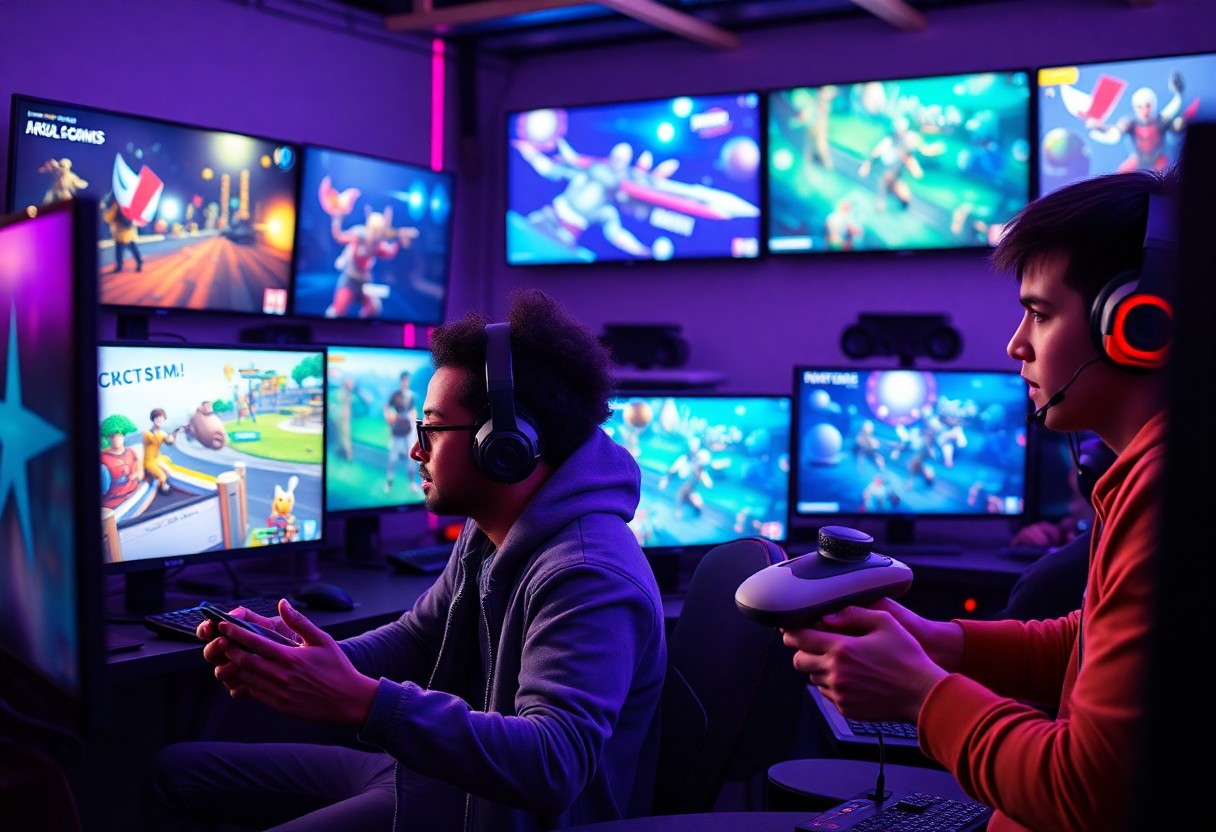
As you develop or play a game, you likely consider factors like gameplay and graphics, but have you thought about the impact of community on your gaming experience? Your engagement with a game is often influenced by the people you play with and the environment they create. You may find that a strong community can elevate your enjoyment, while a toxic one can detract from it, making community a significant factor in determining a game’s overall success.

Key Takeaways:

  • Building a strong community around a game can significantly impact its success, as it fosters engagement, encourages player retention, and drives word-of-mouth marketing.
  • A supportive community can provide valuable feedback, helping game developers identify and address issues, which can lead to improvements in game quality and overall player satisfaction.
  • Effective community management is important to harness the power of a game’s community, as it enables developers to build trust, facilitate communication, and create a loyal player base that can contribute to the game’s long-term success.

    Community Engagement Fundamentals

    Your understanding of community engagement is vital to shaping game success, as it directly impacts player retention and overall game health, you need to consider the various aspects that contribute to a thriving community.

    Player Interaction Models

    At the core of community engagement, you’ll find various player interaction models that facilitate communication, collaboration, and competition among players, allowing you to design engaging experiences that cater to different player preferences.

    Social Features Integration

    Models of social features integration, such as forums, chat systems, and social media groups, enable you to foster a sense of community and encourage player interaction, which is imperative for building a loyal player base.

    Consequently, as you integrate social features into your game, you’ll be able to observe how players interact with each other and with the game itself, providing you with valuable insights to refine your community engagement strategy and create a more enjoyable experience for your players, allowing you to make data-driven decisions to improve your game’s overall success.

    Community Building Elements

    Even as you develop your game, considering the community aspects is vital. You can learn more about this in Reflections on the Role of Community in Games to understand how community shapes game success.

    Forums and Discussion Platforms

    Behind every successful game lies a well-structured community platform where you can engage with your players, and forums are an excellent way to facilitate this interaction, allowing you to gather feedback and build a loyal fan base.

    In-game Social Systems

    Before venturing into the specifics, you should consider how in-game social systems can enhance your players’ experience, enabling them to form connections and collaborate, thus fostering a sense of belonging within your game’s community.

    Indeed, as you design your in-game social systems, you will find that they play a significant role in retaining players and encouraging user-generated content, which in turn, can lead to a more immersive and engaging experience for your players, making your game more appealing to a wider audience.

    Player-Developer Relationships

    To foster a loyal player base, you need to establish strong relationships with your community, as discussed in The Role of Community in Gaming articles. This helps you understand their needs and create a better gaming experience.

    Feedback Loops

    Along with open communication channels, you can encourage players to provide feedback, allowing you to identify areas for improvement and make data-driven decisions to enhance your game.

    Community Management Strategies

    Community engagement is key to building a loyal player base, and you can achieve this by implementing effective community management strategies, such as hosting events and creating engaging content.

    Consequently, as you develop your community management strategies, you will find that your players become more invested in your game, providing valuable feedback and contributing to its success, which in turn, helps you to refine your strategies and create a better experience for your players.

    Social Impact on Game Evolution

    All successful games have one thing in common: a strong community that drives their evolution. You see this in the way players engage with the game, sharing their experiences and feedback with the developers. This interaction shapes the game’s future, making it more enjoyable and immersive for you and other players.

    Player-Driven Content

    With the rise of user-generated content, you have the power to create and share your own game content. This not only extends the game’s lifespan but also allows you to express your creativity and showcase your skills to the community.

    Community Modifications

    The community’s ability to modify games has become a significant aspect of the gaming experience. You can now customize your game to fit your preferences, thanks to modifications created by other players.

    Game developers often encourage community modifications, as they can breathe new life into a game. You can explore new gameplay mechanics, levels, and features created by the community, which can enhance your overall gaming experience and keep you engaged for longer periods.

    Community Marketing Power

    Keep in mind that community marketing is a powerful tool for game success. You can leverage your community to promote your game, and in turn, they will help spread the word about your game, increasing its visibility and appeal to a wider audience.

    Word-of-Mouth Dynamics

    Mastering the art of marketing through your community can lead to significant returns, as you encourage your players to share their experiences with others, creating a ripple effect that can greatly benefit your game’s reputation and attract new players.

    Community Ambassadors

    Across the gaming landscape, you’ll find that community ambassadors play a significant role in promoting games, as they are often passionate and dedicated players who willingly advocate for the game, sharing their enthusiasm with others and helping to build a loyal fan base.

    In addition, as you cultivate community ambassadors, you’ll find that they can provide valuable feedback and insights, helping you to refine your game and ensure it meets the needs and expectations of your target audience, ultimately leading to increased player satisfaction and loyalty, which can be a key factor in your game’s long-term success.

    Economic Influence of Communities

    After considering the various aspects of community influence, you will find that economic factors play a significant role in shaping game success. Your purchasing decisions are often driven by the opinions and experiences of others in the community.

    Community-Driven Purchases

    To understand the economic influence of communities, you need to look at how they drive purchases. Your buying decisions are often influenced by the recommendations and reviews of other players in the community.

    Social Network Effects

    Behind the success of many games lies a strong community that creates a social network effect, where you are more likely to play a game because your friends are playing it. Your social connections within the community can significantly impact your gaming experience.

    But as you research deeper into the social network effects, you will notice that they can have a profound impact on your gaming habits and preferences. You are more likely to continue playing a game if you have a strong social connection to the community, and you are also more likely to try out new games that your friends are playing, which can lead to a wider range of gaming experiences and a more diverse gaming portfolio.

    Summing up

    To wrap up, you now understand the significance of community in shaping game success. As you develop your game, you should consider the impact of your community on your game’s overall success. You can learn more about the importance of community feedback by visiting The Power of Player Feedback: Why Listening to Your Community Is Key to Game Development Success to improve your game development strategy and ultimately drive your game’s success.

    FAQ

    Q: What is the significance of community in shaping game success?

    A: The community plays a vital role in shaping game success as it provides a platform for players to interact, share experiences, and provide feedback. A strong and engaged community can help to identify bugs, suggest new features, and promote the game through word-of-mouth, ultimately contributing to its overall success.

    Q: How can game developers foster a positive and engaged community?

    A: Game developers can foster a positive and engaged community by actively listening to player feedback, responding to concerns, and incorporating community suggestions into game updates. They can also create community-building initiatives, such as forums, social media groups, and in-game events, to encourage player interaction and a sense of belonging.

    Q: What are the benefits of a strong community for game developers?

    A: A strong community provides numerous benefits for game developers, including increased player retention, improved game quality, and enhanced reputation. A loyal community can also serve as a source of free marketing, as enthusiastic players are more likely to share their positive experiences with others, attracting new players to the game.

    Q: How can community feedback be used to improve game development?

    A: Community feedback can be used to improve game development by identifying areas of the game that need improvement, such as bugs, balance issues, or missing features. Developers can also use community feedback to gauge interest in new features or game modes, ensuring that updates align with player expectations and preferences. By incorporating community feedback, developers can create a game that meets the needs and wants of their target audience.

    Q: What role does community play in the long-term sustainability of a game?

    A: Community plays a significant role in the long-term sustainability of a game by providing a loyal player base that continues to support and engage with the game over time. A strong community can help to maintain player interest, drive revenue through in-game purchases or subscriptions, and attract new players through positive word-of-mouth. By nurturing and supporting their community, game developers can create a game that remains popular and profitable for years to come.


Spotlight on Game Developers – Innovators Who Changed the Industry

As you probe into the world of gaming, you’ll discover the pioneers who revolutionized the industry. You can explore the stories of these innovators, such as The Innovator Who Shaped Gaming & Esports 🎮 As we celebrate their contributions, and learn how they transformed your gaming experience. You’ll gain insight into the minds behind iconic games and how they paved the way for future generations of developers, shaping the industry into what it is today.

Key Takeaways:

  • The game development industry has been shaped by innovators who introduced new technologies, gameplay mechanics, and genres, expanding the possibilities of interactive entertainment and pushing the boundaries of what is possible in virtual worlds.
  • These innovators have not only created iconic games but also inspired new generations of developers, influencing the direction of the industry and paving the way for future advancements in game design, storytelling, and player engagement.
  • By studying the contributions of these visionary game developers, we can gain a deeper understanding of the industry’s evolution and the key factors that have driven its growth, from the early days of arcade games to the current era of immersive, online experiences.

Early Pioneers of Gaming

While exploring the history of game development, you’ll discover innovators who paved the way for the industry’s success. You’ll learn about the founders of iconic companies and their groundbreaking contributions.

Nolan Bushnell and the Birth of Atari

Around the 1970s, you’ll find Nolan Bushnell, who co-founded Atari and introduced the first successful arcade game, Pong. You can see how his innovative spirit set the stage for the gaming industry’s growth.

Shigeru Miyamoto’s Nintendo Revolution

Gaming enthusiasts like you will appreciate Shigeru Miyamoto’s impact on Nintendo. You’ll notice how his iconic characters, such as Mario and Zelda, transformed the gaming landscape and continue to influence your favorite games today.

Pioneers like Shigeru Miyamoto have shaped your gaming experiences, and his legacy extends beyond Nintendo. You can explore how his creative vision and dedication to innovation have inspired a generation of game developers, leaving a lasting impact on the industry and your favorite games.

RPG Visionaries

Now, as you explore the world of RPGs, you’ll notice the impact of innovators who changed the industry, and you can learn more about them through resources like Indie Game Spotlights: Celebrating Creativity and Innovation – Medium, which highlights the creativity of indie game developers.

Richard Garriott’s Fantasy Worlds

For your journey through RPG history, consider Richard Garriott, a pioneer in fantasy game development, who created immersive worlds that captivated your imagination and set the stage for future innovators.

Square’s Hironobu Sakaguchi

Below the surface of Square’s (now Square Enix) success lies the genius of Hironobu Sakaguchi, whose vision for Final Fantasy revolutionized the RPG genre, offering you a glimpse into the creative process behind your favorite games.

Indeed, as you probe deeper into Sakaguchi’s work, you’ll discover how his innovative approach to storytelling and game design has influenced your gaming experiences, shaping the RPG landscape into what it is today, with many of your favorite games owing a debt to his pioneering spirit and creative genius.

3D Revolution Leaders

Not many gamers can forget the significant impact of 3D graphics on the gaming industry. You witnessed a major shift in game development, and it’s interesting to explore the innovators behind this revolution.

John Carmack and id Software

Any gamer familiar with the industry knows that John Carmack and id Software played a significant role in shaping 3D gaming. You see their influence in many classic titles, and their work continues to inspire your favorite games.

Yu Suzuki’s Arcade Innovations

Beside other innovators, Yu Suzuki’s contributions to arcade games are notable, bringing new experiences to your gaming sessions with his innovative approach to 3D graphics and gameplay.

And as you investigate deeper into Yu Suzuki’s arcade innovations, you’ll find that his work on titles like Virtua Fighter and Virtua Racing set new standards for 3D gaming, offering you immersive experiences that were unparalleled at the time, and his legacy continues to influence the games you play today.

Storytelling Innovators

For you, as a gamer, storytelling is a key aspect of the gaming experience, and innovators in this field have revolutionized the industry. You’ve seen how storytelling can transport you to new worlds and evoke emotions, making your gaming experience more immersive and engaging.

Ken and Roberta Williams

Before the advent of modern gaming, pioneers like Ken and Roberta Williams were already pushing the boundaries of storytelling in games, creating interactive adventures that drew you in with their engaging narratives and challenging puzzles, setting the stage for future innovators.

Hideo Kojima’s Cinematic Approach

Against the backdrop of traditional gaming, Hideo Kojima’s cinematic approach to storytelling has been a game-changer, offering you a more immersive experience with his use of cutscenes, character development, and intricate plots, redefining the way you interact with games.

A key aspect of Hideo Kojima’s approach is his ability to craft complex, thought-provoking stories that keep you invested in the game, as you explore the world and characters he has created, making your gaming experience more engaging and memorable, and influencing your expectations from future games.

Modern Game Auteurs

Keep in mind that modern game developers have revolutionized the industry with innovative ideas and designs, transforming your gaming experience forever.

Will Wright’s Simulation Legacy

By exploring the works of Will Wright, you’ll discover how his simulation games, such as SimCity, have paved the way for future generations of game developers, influencing your understanding of virtual worlds.

Jenova Chen’s Emotional Design

Will you be inspired by Jenova Chen’s approach to game design, which focuses on evoking emotions and creating a sense of connection with the player, making your gaming experience more personal and engaging?

To research deeper into Jenova Chen’s Emotional Design, you’ll find that his games, such as Flower and Journey, use stunning visuals and intuitive controls to create a sense of wonder and awe, allowing you to immerse yourself in the game world and reflect on your own emotions and experiences.

Independent Trailblazers

Once again, you find yourself at the forefront of innovation, this time with independent game developers who dared to challenge the status quo, bringing fresh ideas to the table and changing the industry landscape.

Markus Persson and Minecraft

Personifying the spirit of independence, Persson’s creation, Minecraft, became a global phenomenon, allowing you to build and explore vast worlds, and inspiring a new generation of developers to take the indie route.

Toby Fox’s Undertale Impact

With the release of Undertale, you experienced a game that defied conventions, offering a unique storytelling approach and emotional depth, making you question your choices and their consequences in a way that few games have.

It is interesting to note that Toby Fox’s success with Undertale has paved the way for other indie developers to experiment with innovative storytelling and gameplay mechanics, allowing you to enjoy a diverse range of games that cater to your individual tastes and preferences.

Conclusion

To wrap up, you now have insight into the innovators who changed the game development industry. You have seen how your favorite games came to be, and the minds behind them. As you continue to explore the world of gaming, you will appreciate the efforts of these pioneers, and your understanding of the industry will be deeper, allowing you to enjoy your gaming experience even more.

FAQ

Q: Who are some of the most influential game developers that have changed the industry?

A: Some of the most influential game developers include Shigeru Miyamoto, known for creating iconic Nintendo franchises like Mario and Zelda, John Carmack, co-founder of id Software and pioneer of 3D graphics, and Sid Meier, legendary designer of Civilization and other strategy games. These innovators have not only created beloved games but have also pushed the boundaries of game design, technology, and storytelling, inspiring generations of developers.

Q: What role did game developers play in the evolution of the gaming industry?

A: Game developers have been instrumental in shaping the gaming industry into what it is today. Through their innovative ideas, technical expertise, and passion for gaming, they have created new genres, gameplay mechanics, and technologies that have captivated audiences worldwide. From the early days of arcade games to the current era of virtual reality and online gaming, developers have continually pushed the limits of what is possible, driving the industry forward and expanding its reach.

Q: How have game developers contributed to advancements in technology and gaming hardware?

A: Game developers have driven innovation in technology and gaming hardware by pushing the limits of what existing hardware can do and demanding more powerful and capable systems to realize their visions. This has led to significant advancements in areas such as graphics processing, artificial intelligence, and virtual reality. The development of games that utilize these technologies has, in turn, spurred the creation of more powerful gaming consoles and PCs, benefiting not just the gaming community but also other industries that rely on similar technologies.

Q: What impact have independent game developers had on the industry?

A: Independent game developers have had a profound impact on the gaming industry, bringing fresh perspectives, innovative gameplay ideas, and unique artistic styles to the market. Without the constraints of large budgets or the need to appeal to a broad audience, indie developers can focus on creating games that are highly personal and experimental, often resulting in titles that are critically acclaimed and commercially successful. The rise of digital distribution platforms has further empowered indie developers, providing them with direct access to consumers and allowing them to compete on a more level playing field with larger studios.

Q: How do game developers continue to innovate and shape the future of the gaming industry?

A: Game developers continue to innovate through the exploration of new technologies, genres, and gameplay mechanics. The integration of artificial intelligence, cloud gaming, and cross-platform play are just a few areas where developers are currently pushing boundaries. Additionally, the focus on accessibility, diversity, and inclusivity is leading to the creation of games that appeal to a broader and more diverse audience. As technology evolves and player preferences change, developers are adapting and innovating, ensuring that the gaming industry remains vibrant, dynamic, and full of exciting possibilities for both creators and players alike.

Video Games and Real-World Issues – Tackling Social Themes

As you explore the world of video games, you may notice that many titles tackle complex social themes that affect your daily life. You will encounter games that address issues like inequality, environmental degradation, and social justice, prompting you to think critically about your role in these matters. Your gaming experience can be more than just entertainment, as it can also be a platform for social commentary and awareness, allowing you to engage with real-world issues in a unique and impactful way.

Key Takeaways:

  • Video games can serve as a powerful medium for addressing real-world issues, such as mental health, social inequality, and environmental degradation, by raising awareness and promoting empathy among players.
  • Many modern video games incorporate social themes and issues into their narratives, characters, and gameplay mechanics, providing a unique platform for players to engage with and reflect on complex problems.
  • By tackling social themes in a thoughtful and realistic manner, video games can inspire players to think critically about the world around them and potentially motivate them to take action on issues that matter, both in-game and in real life.

Social Awareness Through Gaming

For you to understand the impact of video games on social awareness, consider that video games play may provide learning, health, social benefits. As you explore this topic, you’ll find that games can shape your perspectives and attitudes towards various social issues.

Representation and Diversity

Through the lens of character development and storytelling, you can see how games promote representation and diversity, allowing you to experience different cultures and identities, and fostering empathy and understanding in your interactions with others.

Cultural Perspectives in Games

Representing diverse cultural perspectives in games can enrich your gaming experience, offering you a unique window into the lives and traditions of people from around the world, and broadening your understanding of the complexities of human culture.

Awareness of cultural differences and nuances is key to appreciating the value of games that incorporate diverse perspectives. As you play games that tackle real-world issues, you can develop a deeper understanding of the complexities of social problems and the importance of empathy and inclusivity in your own life, ultimately enriching your experience and broadening your worldview.

Political Commentary in Video Games

The world of video games has become a platform for developers to express their opinions on real-world issues, and you can see this in the way they tackle political commentary. You will notice that many games address social themes, allowing you to engage with complex issues in a virtual environment.

Democracy and Power Dynamics

Along with the rise of politically charged games, you are presented with opportunities to explore democracy and power dynamics. You can experience different systems of governance and consider the implications of your choices, allowing you to develop a deeper understanding of these concepts.

War and Conflict Narratives

By exploring war and conflict narratives in video games, you can gain insight into the human experience during times of turmoil. You will see how games portray the consequences of war and the impact on individuals, communities, and societies.

Further, as you investigate into war and conflict narratives, you will notice that many games offer a nuanced perspective on the complexities of war, encouraging you to think critically about the motivations and consequences of conflict. You can analyze the ways in which games portray the experiences of soldiers, civilians, and other stakeholders, and consider the implications of these portrayals on your understanding of real-world conflicts.

Environmental Themes

Despite the virtual nature of video games, you can explore real-world environmental issues, such as climate change and conservation. As you explore into these topics, you’ll find that Video games can create beneficial social connections and tackle real issues, making you more aware of your impact on the environment.

Climate Change in Gaming

Before playing games that focus on environmental themes, you might not consider the impact of climate change on your daily life. However, as you play, you’ll notice how games like “Eco” and “This War of Mine” incorporate climate change, making you think about your actions and their consequences.

Resource Management Games

Between managing resources and making sustainable choices, you’ll find that games like “SimCity” and “Frostpunk” challenge your ability to balance growth and environmental protection. As you play, you’ll learn about the importance of resource management and its effects on the environment.

It is interesting to note that resource management games can teach you valuable skills, such as prioritization and planning, which can be applied to your real life. As you manage resources in games, you’ll develop a deeper understanding of the consequences of your actions, making you more mindful of your environmental footprint and encouraging you to make more sustainable choices in your daily life.

Economic Systems and Society

After exploring the world of video games, you may wonder if they can have a positive impact on your life and society. You can find out more about how Can video games make our world a better place by promoting social good and addressing real-world issues.

Virtual Economies

Behind the engaging gameplay, you’ll find complex virtual economies that mimic real-world systems, allowing you to experience different economic models and their effects on society.

Wealth Distribution Mechanics

Wealth inequality is a significant issue in many games, and you’ll encounter various mechanics that address this problem, such as taxation, trade, and resource distribution.

At the heart of wealth distribution mechanics lies the idea of fairness and equality, and as you play, you’ll be forced to consider the consequences of your economic decisions and how they impact the game’s society, making you think about your own values and principles regarding wealth and resource allocation.

Mental Health and Well-being

To address mental health and well-being, you’ll find that video games can be a valuable resource, offering a unique perspective on these issues and providing you with a deeper understanding of the challenges people face.

Gaming as Therapeutic Tool

Any gamer knows that playing games can be a great way to relax and unwind, and you may be surprised to learn that some games are even being used as therapeutic tools to help you manage stress and anxiety.

Emotional Intelligence Development

Mindful of the impact of games on your emotional well-being, you’ll find that some games are designed to help you develop emotional intelligence, allowing you to better understand and manage your emotions, as well as empathize with others.

Indeed, as you explore games that focus on emotional intelligence development, you’ll discover that they can help you develop self-awareness, self-regulation, and social skills, all of which are important for maintaining good mental health and building strong relationships with others, and you can apply these skills to your everyday life, leading to greater overall well-being.

Social Justice and Activism

Once again, video games are pushing boundaries by tackling social justice and activism, allowing you to engage with real-world issues in a unique way, and influencing your perspective on these matters.

Games for Change Movement

Mobilizing the gaming community, the Games for Change movement is using games to drive social change, enabling you to participate in creating a better world through your gaming experiences.

Player Agency and Moral Choices

On one hand, player agency and moral choices in games give you the power to make decisions that impact the game world, allowing you to explore complex social issues and their consequences.

A key aspect of player agency is the ability to shape your own experience, as you navigate through the game’s narrative, making choices that reflect your values and principles, and influencing the outcome of the story, which can lead to a deeper understanding of social justice and activism, and encourage you to think critically about your own role in creating positive change.

To wrap up

Following this exploration of video games and real-world issues, you can see how your gaming experience can be more than just entertainment. You will notice that many games tackle social themes, allowing you to engage with complex issues in a unique way. As you play, you will develop a deeper understanding of the world and your place in it, making your gaming experience more meaningful and impactful. Your perspective on social issues will broaden, and you will be able to approach them with a fresh insight.

FAQ

Q: What role do video games play in addressing real-world social issues?

A: Video games have become a significant medium for tackling social themes and issues, such as racism, sexism, and mental health. Many games incorporate storylines and characters that reflect real-world problems, sparking important discussions and raising awareness among players. By doing so, video games can help promote empathy, understanding, and social change.

Q: How do video games approach sensitive topics like violence and trauma?

A: Video games often approach sensitive topics like violence and trauma in a thoughtful and nuanced manner. Some games, such as those in the action-adventure genre, may depict violent scenes, but also provide context and commentary on the consequences of violence. Other games, like those focused on storytelling and character development, may explore the emotional and psychological impacts of trauma on individuals and communities. Ultimately, the goal is to create a thought-provoking experience that encourages players to reflect on these complex issues.

Q: Can video games be an effective tool for social commentary and critique?

A: Yes, video games can be a powerful tool for social commentary and critique. By presenting complex social issues in an engaging and interactive way, games can inspire players to think critically about the world around them. Many games, such as those in the satire and dystopian genres, use humor, irony, and exaggeration to comment on current events and social norms, encouraging players to question and challenge the status quo.

Q: How do video games portray and impact players’ perceptions of diversity and inclusion?

A: Video games have made significant strides in recent years in portraying diverse characters, stories, and experiences. Games like Life is Strange and What Remains of Edith Finch feature protagonists from underrepresented groups, promoting visibility and inclusivity. Additionally, games like Overwatch and Apex Legends showcase diverse casts of characters, highlighting the importance of teamwork and cooperation across different backgrounds and identities. By portraying diverse characters and experiences, video games can help break down stereotypes and promote empathy and understanding among players.

Q: What is the potential impact of video games on players’ emotional and mental well-being?

A: Video games have the potential to both positively and negatively impact players’ emotional and mental well-being. On the one hand, games can provide a healthy outlet for stress, anxiety, and other emotions, offering a sense of escapism and relaxation. On the other hand, games can also perpetuate negative attitudes and behaviors, such as aggression and competition, which can have negative effects on mental health. Ultimately, the impact of video games on players’ emotional and mental well-being depends on the individual game, the player’s personality and preferences, and the gaming experience as a whole.

Indie Gems – The Best Lesser-Known Games You Must Play

As you explore the world of gaming, you’re likely to stumble upon popular titles that dominate the market. However, you may be missing out on hidden treasures that can elevate your gaming experience. Your search for unique and engaging games ends here, as you’re about to discover a curated list of indie gems that will take your gaming to the next level, offering fresh storylines, innovative gameplay, and unforgettable characters that will leave you wanting more.

Key Takeaways:

  • Exploring indie games can lead to the discovery of unique and engaging experiences that may have been overlooked in favor of more popular titles, offering fresh gameplay mechanics and innovative storytelling.
  • Indie games often have the freedom to take risks and experiment with new ideas, resulting in a diverse range of genres and styles that can appeal to different tastes and preferences.
  • Playing lesser-known indie games can also support independent developers and help to foster a sense of community among gamers who share similar interests and passions for hidden gems in the gaming world.

Hidden Platforming Masterpieces

Among the numerous platformers available, some hidden gems await your discovery. You’ll find unique and engaging games that will challenge your skills and provide hours of entertainment.

Artistic Indie Platformers

Abundant with creativity, these games offer visually stunning experiences. You’ll encounter beautifully designed levels and characters that will leave you in awe, making your gaming experience even more enjoyable.

Innovative Mechanics in Small Studios

Behind the scenes, small studios are working tirelessly to create innovative platformers. You’ll discover new and exciting gameplay mechanics that will keep you engaged and curious about what’s next.

Even more impressive is the fact that these small studios are pushing the boundaries of what’s possible in platformer games. You’ll find that their innovative approaches to game design will challenge your perceptions and keep you coming back for more, as you explore the unique worlds and gameplay they have to offer.

Underground RPG Treasures

While exploring the world of indie games, you’ll stumble upon hidden RPG gems that will captivate your imagination. These underground treasures offer unique experiences that rival their mainstream counterparts, with engaging stories and innovative gameplay mechanics that will keep you hooked.

Story-Driven Hidden Gems

On the lookout for games with compelling narratives, you’ll discover titles that focus on character development and emotional depth, drawing you into their richly crafted worlds and making you invested in the characters’ journeys.

Unique Combat Systems

After delving into the world of indie RPGs, you’ll encounter games that revolutionize combat with fresh perspectives and mechanics, offering a refreshing change from traditional systems and keeping your gaming experience exciting and unpredictable.

Indeed, unique combat systems are a hallmark of many underground RPG treasures, allowing you to approach battles in creative ways, such as using the environment to your advantage or exploiting enemy weaknesses. As you explore these games, you’ll find that the innovative combat mechanics add a new layer of depth to the gameplay, making your experience even more engaging and challenging, and pushing you to think strategically and adapt to each situation.

Overlooked Puzzle Games

Now, if you’re looking for some hidden gems, check out Extremely underrated and hidden indie game gems? for some inspiration. You’ll find a wealth of options to satisfy your puzzle cravings.

Mind-Bending Mechanics

Any fan of puzzle games will appreciate the complex challenges that these overlooked titles have to offer, pushing your problem-solving skills to the limit and keeping you engaged for hours.

Artistic Puzzle Experiences

On the other hand, you may prefer puzzle games with a strong focus on art and atmosphere, drawing you into immersive worlds that are as beautiful as they are challenging.

Considering the unique blend of art and puzzle-solving in these games, you’ll find that they offer an experience unlike any other, with stunning visuals and thought-provoking challenges that will keep you coming back for more, and leave a lasting impression on your gaming experience.

Indie Horror Surprises

After exploring the world of indie games, you’ll discover a plethora of hidden horror gems that will send chills down your spine. These games offer a unique experience that will keep you on the edge of your seat, eager to uncover the secrets and terrors that lie within.

Psychological Horror Gems

By delving into psychological horror, you’ll encounter games that toy with your mind, making it difficult to distinguish reality from illusion. These games will challenge your perceptions and leave you questioning your own sanity.

Unique Scare Mechanics

Before you think you’ve seen it all, indie horror games will introduce you to innovative scare mechanics that will catch you off guard. You’ll experience fear in new and unexpected ways, making each game a thrilling adventure.

Another aspect of unique scare mechanics is the way they subvert your expectations, creating a sense of uncertainty that keeps you engaged and invested in the game. As you navigate through the game, you’ll encounter unexpected jumpscares, eerie atmospheres, and terrifying enemies that will keep you on your toes, making your experience even more thrilling and unforgettable.

Action Games from Small Teams

Once again, you’ll find yourself immersed in a world of fast-paced action and thrilling combat, as small teams of developers bring their unique vision to the table, offering a fresh take on the action genre that will keep you on the edge of your seat.

Combat-Focused Indies

For instance, you can explore a variety of indie games that focus primarily on combat, providing you with a range of intense and satisfying experiences that will test your skills and reflexes.

Creative Combat Systems

At the heart of many action games from small teams lies innovative combat mechanics, allowing you to approach challenges in new and exciting ways, and giving you the freedom to experiment with different tactics and strategies.

From the clever use of environmental hazards to the implementation of complex combos and special abilities, you’ll discover a wealth of creative combat systems that will keep you engaged and entertained, as you uncover the unique features and gameplay mechanics that set each game apart, and experience the thrill of mastering your favorite combat styles.

Strategy & Management Gems

Keep exploring the world of indie games, and you’ll discover hidden gems that will challenge your strategic thinking, as seen in the 17 Most Underrated Indie Games that you should definitely check out.

Resource Management Innovations

For instance, you’ll find innovative resource management systems that will test your ability to allocate resources efficiently and make the most of your in-game assets.

Tactical Indie Brilliance

Before entering into the world of tactical indie games, you’ll need to develop your problem-solving skills and think critically about your next move.

A key aspect of tactical indie brilliance is the ability to adapt to new situations and make quick decisions, which will help you succeed in games that require strategic thinking and planning, and as you play these games, you’ll find that your skills will improve, allowing you to tackle even more challenging games and explore new genres.

Final Words

Taking this into account, you now have a list of hidden gems to explore. You can discover more about 10 Criminally Underrated Indie Games You Need To Play and add them to your collection, enriching your gaming experience with unique stories and gameplay mechanics that will leave a lasting impression on your gaming journey, and broaden your understanding of the diverse world of indie games that you might have otherwise overlooked.

FAQ

Q: What are Indie Gems and why are they worth playing?

A: Indie Gems refer to lesser-known, independently developed games that have received less attention than mainstream titles, but still offer engaging gameplay, unique mechanics, and captivating storylines. These games are worth playing because they often provide fresh perspectives, innovative ideas, and a more personal touch, making them a great way to discover new favorites and support emerging developers.

Q: How do I find Indie Gems, and what platforms can I play them on?

A: You can find Indie Gems on various platforms, including PC (via Steam, GOG, and itch.io), consoles (such as PlayStation, Xbox, and Nintendo Switch), and mobile devices. To discover these hidden gems, you can explore online communities, social media, and gaming forums, where players and developers share their favorite indie games. Additionally, many platforms feature curated lists and recommendations, making it easier to stumble upon these overlooked treasures.

Q: What genres and types of games can I expect to find among Indie Gems?

A: Indie Gems encompass a wide range of genres, including action, adventure, role-playing, puzzle, strategy, and simulation games. You can also find unique blends of genres, experimental titles, and games that defy traditional categorization. From atmospheric narrative-driven experiences to challenging roguelikes and relaxing sandbox games, the diversity of Indie Gems ensures that there’s something for every type of player, regardless of their preferences or interests.

Q: Are Indie Gems as polished and stable as mainstream games, and what kind of support can I expect?

A: While some Indie Gems may have rough edges or minor issues, many are remarkably polished and stable, considering the limited resources and team sizes of their developers. In fact, indie developers often engage closely with their communities, releasing regular updates, patches, and expansions based on player feedback. This direct connection can lead to a more personalized and responsive gaming experience, as developers strive to address concerns and improve their games over time.

Q: Can playing Indie Gems help support the gaming industry and emerging developers, and how can I get involved in the community?

A: By playing and promoting Indie Gems, you’re directly supporting independent developers and contributing to the growth of the gaming industry. You can get involved in the community by sharing your favorite indie games on social media, participating in online forums and discussions, and providing feedback to developers. Many indie games also offer community-driven features, such as mod support, level editors, or collaborative gameplay, allowing you to collaborate with others and become an integral part of the game’s ecosystem. This collective enthusiasm and engagement can help foster a vibrant, inclusive community that celebrates creativity and innovation in gaming.

Gaming Genres Explored – From Platformers to Battle Royales

As you probe into the world of gaming, you’ll encounter a vast array of genres that cater to your unique tastes and preferences. You can explore various types of games, from classic platformers to immersive battle royales. To navigate this diverse landscape, you can refer to a Complete List of Video Game Genres + Subgenres & Hybrids to discover the perfect fit for your gaming style, and in this post, you’ll gain a deeper understanding of the most popular genres.

Key Takeaways:

  • The evolution of gaming genres has led to a diverse range of options, from classic platformers that challenge players to navigate through levels, to immersive role-playing games that offer rich storytelling and character development.
  • Modern gaming genres, such as battle royales and multiplayer online battle arenas, have become incredibly popular, offering fast-paced action and competitive gameplay that appeals to a wide audience.
  • Understanding the different gaming genres can help players discover new types of games that suit their interests and preferences, and can also provide insight into the design and development of games, highlighting the innovative ways that genres can be combined and reinterpreted.

Classic Gaming Foundations

To understand the evolution of gaming genres, you need to explore the classic foundations that paved the way for modern gaming. You will discover how early genres influenced the industry and shaped your favorite games.

Platformers: The Birth of Modern Gaming

Born from the early days of gaming, platformers introduced you to side-scrolling adventures and precision jumping, setting the stage for modern gaming mechanics.

Action-Adventure: Blending Storytelling with Gameplay

Originating from the desire to combine storytelling with interactive gameplay, action-adventure games offered you a new way to experience immersive stories and challenging puzzles.

Indeed, as you probe into action-adventure games, you will notice how they balance narrative and gameplay, providing you with a unique experience that draws you into the game’s world, making you an integral part of the story and its outcome.

Role-Playing Evolution

There’s a rich history behind role-playing games, and as you investigate into this genre, you’ll discover a wide range of styles and gameplay mechanics that have captivated audiences for decades.

Traditional RPGs

Emerging from the early days of gaming, traditional RPGs have laid the foundation for the genre, offering you a chance to engage in turn-based combat, character development, and immersive storytelling.

Action RPGs and Modern Hybrids

The development of action RPGs has introduced a new layer of complexity, allowing you to experience fast-paced combat and dynamic character progression, making your gaming experience more engaging and interactive.

Action RPGs, in particular, have become a staple of modern gaming, offering you the ability to explore vast open worlds, master intricate combat systems, and make meaningful choices that impact the game’s narrative, making your experience unique and tailored to your preferences.

Competitive Gaming Landscape

Many gamers are drawn to the competitive scene, where you can test your skills against others and climb the ranks. You’ll find a variety of genres and games to compete in, each with its own unique challenges and requirements.

Fighting Games

Around the world, you’ll find fighting game communities that are passionate and dedicated, with you being able to join in and compete against others in games like Street Fighter and Mortal Kombat.

First-Person Shooters

On the battlefield, you’ll need quick reflexes and strategic thinking to outmaneuver your opponents, with games like Call of Duty and Counter-Strike offering fast-paced action and competitive multiplayer modes.

Further into the world of First-Person Shooters, you’ll discover a wide range of playstyles and strategies, with you being able to specialize in specific roles or experiment with different approaches to find what works best for you, and as you gain experience, you’ll be able to analyze your gameplay and identify areas for improvement.

Strategy Gaming Realms

After exploring various genres, you’ll find that strategy games offer a unique experience, as you can learn more about other genres like battle royale games at What are Battle Royale Games? History, Growth, and Popularity. This will help you understand your preferences better.

Real-Time Strategy

Strategically, you’ll need to plan and execute your moves quickly in real-time strategy games, making them fast-paced and exciting, allowing you to test your decision-making skills.

Turn-Based Tactics

At the heart of turn-based tactics lies a deep sense of planning and execution, as you take individual turns to make your moves, giving you time to think about your next step.

Due to the nature of turn-based tactics, you can analyze your opponent’s moves and adjust your strategy accordingly, making it a game of wit and patience, where you can outmaneuver your opponents and achieve victory.

Modern Gaming Phenomena

Despite the rise of various genres, modern gaming has introduced new phenomena that have captivated your attention. You’ve likely noticed the shift towards online multiplayer and interactive experiences.

Battle Royale Revolution

Alongside this shift, the battle royale genre has emerged, offering you a unique blend of survival and strategy. You drop onto an island with other players, competing to be the last one standing.

Live Service Games

Around the same time, live service games have become increasingly popular, providing you with ongoing content and updates. You can expect new features, events, and challenges to keep your experience fresh.

But as you explore deeper into live service games, you’ll notice that they often require a significant investment of your time and money. You’ll need to stay up-to-date with the latest updates, and potentially purchase in-game items or season passes to fully engage with the community and content. This model has changed the way you interact with games, offering a more dynamic and immersive experience, but also raising questions about the value and longevity of your investment.

Emerging Genres

Not all gaming genres have been around since the inception of the industry, as you’ll discover in this section. You’ll find new and exciting genres that are changing the gaming landscape, offering you fresh experiences and challenges.

Roguelikes and Roguelites

Against the backdrop of traditional gaming, Roguelikes and Roguelites have emerged, offering you procedurally generated content and permanent death, making each playthrough unique and thrilling for you.

Immersive Simulators

Evoking a sense of presence, Immersive Simulators draw you into their detailed worlds, allowing you to explore and interact with environments in a highly realistic way, making your gaming experience even more engaging.

At the heart of Immersive Simulators lies a deep focus on realism and player choice, enabling you to experiment with different approaches and solutions, making your experience feel highly personal and immersive, as you navigate complex systems and interact with non-playable characters in a believable way.

Final Words

With these considerations, you now have a comprehensive understanding of various gaming genres, from platformers to battle royales. You can explore your preferred genre, discovering new games and experiences. Your gaming journey will be enriched by this knowledge, allowing you to appreciate the unique aspects of each genre and make informed decisions about the games you play.

FAQ

Q: What are the main categories of gaming genres and how do they differ from one another?

A: The main categories of gaming genres include Action, Adventure, Role-Playing Games (RPG), Sports, Strategy, and Simulation. Each genre has its unique gameplay mechanics, objectives, and player engagement. For instance, Action games focus on fast-paced combat and quick reflexes, while RPGs emphasize character development and storytelling. Understanding these differences can help gamers choose the type of game that suits their preferences and interests.

Q: What is the appeal of Platformer games, and how have they evolved over time?

A: Platformer games are known for their challenging level design, precise jumping mechanics, and nostalgic value. The appeal of Platformers lies in their ability to provide a sense of accomplishment and satisfaction as players navigate through increasingly difficult levels. Over time, Platformers have evolved to include new features such as 3D graphics, varied gameplay mechanics, and creative level design, making them a staple in the gaming industry.

Q: How do Battle Royale games differ from traditional multiplayer games, and what makes them so popular?

A: Battle Royale games differ from traditional multiplayer games in their unique blend of survival and competitive elements. In a Battle Royale game, a large number of players are dropped onto a map with limited resources, and the last player or team standing wins. This format creates a thrilling and unpredictable experience, as players must scavenge for resources, build strategies, and outmaneuver their opponents. The popularity of Battle Royale games can be attributed to their social aspect, regular updates with new content, and the constant challenge of adapting to new situations.

Q: What role do Simulation games play in the gaming industry, and what types of experiences do they offer?

A: Simulation games play a significant role in the gaming industry by providing players with realistic and immersive experiences that mimic real-life activities or fictional scenarios. Simulation games can range from sports simulations like FIFA, to life simulations like The Sims, and even city-building simulations like SimCity. These games offer a unique blend of creativity, strategy, and relaxation, allowing players to experiment with different scenarios, build and manage virtual worlds, and learn new skills in a risk-free environment.

Q: How have gaming genres influenced each other, and what are some examples of hybrid games that combine elements from multiple genres?

A: Gaming genres have influenced each other significantly, with many modern games incorporating elements from multiple genres to create unique and engaging experiences. Examples of hybrid games include Action-Adventure games like Assassin’s Creed, which combines stealth, combat, and exploration elements, and Role-Playing Games like The Elder Scrolls V: Skyrim, which incorporates elements of Action, Adventure, and Simulation games. The blending of genres has led to the creation of new and innovative gameplay mechanics, pushing the boundaries of what is possible in game design and providing players with a wide range of exciting experiences to explore.

HT-fff Skip to content